
 E-Paper



Increased violence, rock-bottom economy, Pakistan going the Lanka way
The perpetual state of political confrontation, challenge of TTP terrorism, virtual collapse of state institutions and dire economic situation have pushed Pakistan to the brink of anarchy and bankruptcy.

 Prefer HTon Google


While Pakistan’s political and military leadership continues to remain obsessed over Kashmir, the Islamic Republic has been hit hard with increased terror related violence and rock-bottom economy with deepening political instability which will not get resolved anytime soon.
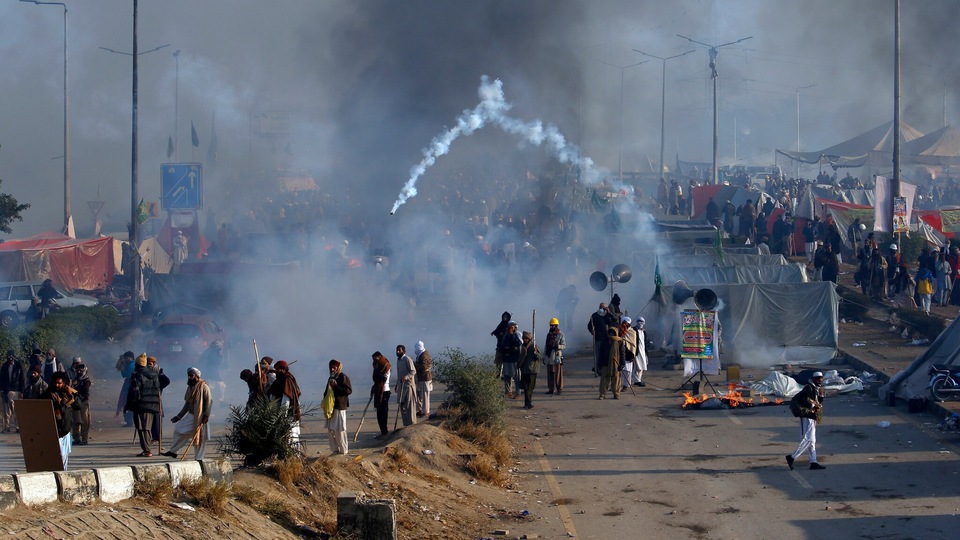
Data reveals that Pakistan registered a 53 per cent hike in terrorism linked fatalities in December 2022 as compared to the previous month, a clear ramification of Tehreek-e-Taliban Pakistan (TTP) ending ceasefire with Pakistan security forces on November 28, 2022. While fatalities among the security forces jumped by 55.5 per cent in December 2022 as compared to previous month, terrorist and civilian fatalities also spiked with Khyber Pakhtunkhwa replacing Balochistan the most violent region in Pakistan in September 2022.
To make matter worse, the TTP terror machine has gained in strength since it called off the peace talks with terrorist commanders like Ahmed from Khurram agency, Saeedullah from LKakki Marwat and Jameel Madakhel from North Waziristan pledging allegiance to TTP leader Noor Wali Mehsud on December 15. It is understood that as many as 21 local extremist groups and Pakistani affiliates of Al Qaeda have merged with TTP since July 2021.
TTP leader Mehsud in an interview on December 5 insisted on “independence” of tribal areas in Pakistan as his “ red line” for a deal with Islamabad and Rawalpindi and demanded a roll back of merger of Federally Administered Tribal Areas (FATA) with Khyber Pakhtunkhwa. The TTP leader made it clear that it had a common cause with Baloch insurgents and would never disarm, notwithstanding the success and failure of the peace negotiations with Pakistani leadership.
Even though Pakistani leaders like Foreign Minister Bilawal Zardari and Interior Minister Rana Sanaullah have blamed Taliban government in Afghanistan for giving shelter to TTP insurgents, Kabul has made it amply clear to Islamabad that TTP was an internal issue of Pakistan and there were no threats to third countries from Afghan soil. Mehsud, on his part, has made it clear that TTP has good relations with the Taliban, who never pressured them to negotiate with Islamabad in the past. Fact is that TTP terrorists are engaging the Pakistani security forces in KP, which recorded 156 fatalities in December 2022, followed by Baluchistan and Islamabad Capital Territory region.
To make matters worse, the Islamic State of Khorasan Province mouthpiece Al-Azaim released a video in English, dedicated entirely to Pakistan. The video attacked Pakistani leadership for its relations with US and Russia and criticized the political leadership for inept handling of the economy, earthquakes, floods and drone strikes in the Republic.
The dramatic escalation of the internal security situation in Pakistan is coupled with a dwindling economy with foreign exchange reserves hitting the rock bottom at USD 4.3 billion, which can only cover three weeks of imports. The foreign direct investment inflows registered a decline of more than 50 per cent, amounting to USD 430 million for the July-November 2022 period as against USD 885 million recorded for the same period in 2021. The Pakistan government spent around 107 per cent of its net income (2.2 trillion Pakistani rupee) on debt servicing and defence alone in the last five month of 2022, while its spending on development fell down by 53 per cent to PKR 133 billion. The present rate of inflation stands at 28.7 percent for food and nonfood items with severe shortage of gas during winter and lack of assistance to flood hit populace of Pakistan. In total, the Islamic country has hit rock bottom and is begging for help from countries like UAE, Saudi Arabia, and the West. India’s close ally UAE decided to give USD one billion loan to visiting Pak PM Shehbaz Sharif and roll over USD 2 billion worth of debt but ensured not a word on Kashmir was included in the joint statement last week.
Rising violence, weak economy coupled with political instability have turned Pakistan virtually into a failed state as ousted Pakistan Tehreek-e-Insaaf (PTI) leader Imran Khan Niazi is trying his unscrupulous best to pressurize the Shehbaz Sharif to call for early general elections by announcing that he would dissolve both Punjab and KP assemblies. Both the dissolutions have reached the courts with differences cropping up between PTI and its ally, the Pakistan Muslim League-Quaid-e-Azam (PMLQ) over the dissolution of Punjab assembly and the country's dire economic situation. Given the increasing challenge posed by terrorism, the military establishment has little appetite for further political instability and Niazi’s efforts to destabilize the existing government will not go down well with Rawalpindi GHQ. In fact, Pakistan army will concentrate on intensifying military operations against TTP and remain in a confrontation mode with Taliban ruled Afghanistan over the festering Durand Line issue.
Simply put, the perpetual state of confrontation between various political forces, the virtual collapse of state institutions and dire economic conditions are pushing the radicalized nation to the brink of both anarchy and bankruptcy. It is Pakistan’s survival at stake as a nation state. Kashmir is a pipedream.


