
 E-Paper



India doubted Theresa May’s Brexit plan long before Trump did
May’s plan includes a ‘common rulebook’ with the EU after Brexit, meaning continued adherence to the rules and standards set in Brussels

 Prefer HTon Google


Six months before US President Donald Trump criticised Prime Minister Theresa May’s plan for a ‘soft Brexit’, a note by the ministry of commerce as part of a UK-India Joint Trade Review had concerns due to continued ties with EU envisaged.
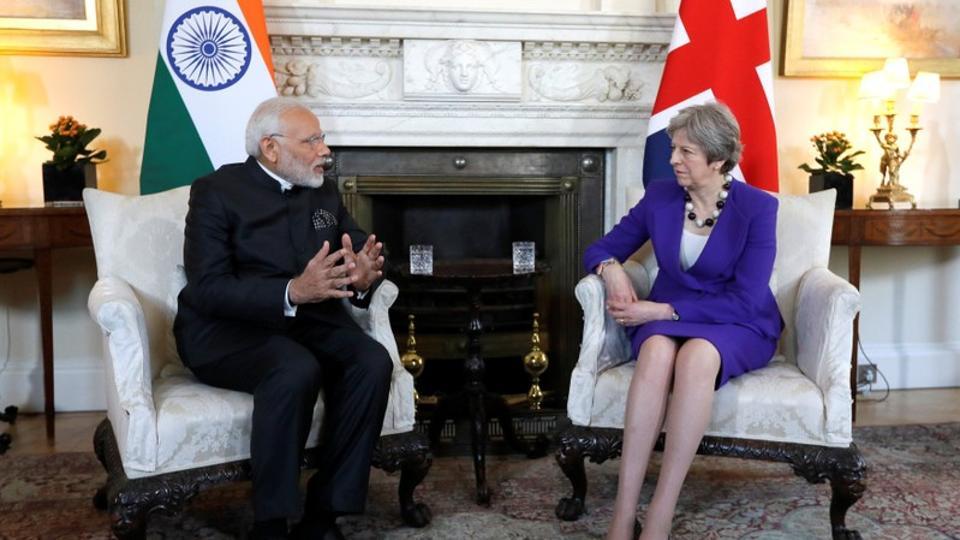
May’s plan includes a ‘common rulebook’ with the EU after Brexit, meaning continued adherence to the rules and standards set in Brussels. Trump said this week that would mean the US “dealing with the EU instead of dealing with the UK”.
It outlined amid pressure from companies that have integrated supply chains across the EU, which is also their main market, has already led to the resignation from her cabinet and claims by both pro and anti-Brexiteers that it is unworkable.
The note by the ministry of commerce included in the review was submitted to the India-UK JETCO (Joint Economic and Trade Committee), which met in January, attended by Suresh Prabhu, minister for commerce, and Liam Fox, secretary for international trade.
The review, obtained by campaign group Unearthed through India's right to information request, says that London should be prepared to relax EU rules on food standards and chemical safety as part of a new trading relationship with India after Brexit.
The note said: “India…will be unable to mete out separate dispensation to UK in areas of EU competence.”
It named a range of non-tariff barriers to trade identified by Indian businesses, including limits on fungicides in basmati rice, the enforcement of food hygiene standards for milk and dairy products such as paneer and the use of hormone-disrupting chemicals across a range of non-food products.
Sam Lowe of the Centre for European Reform said: “Theresa May’s Chequers proposal would prevent the UK from making concessions to India in all areas related to plant and animal health, as it would continue to be bound to the application of the EU’s regime.”
Pratik Dattani of the EPG economic and strategy Consulting, said on the document: “The UK’s complaints about non-price barriers to trade in India were largely non-specific to the UK. They were ones that many other countries would have likewise raised with India”.
“Many are intractable – allowing UK legal firms to operate in India, allowing foreign universities to open campuses – while other more technical ones require regulatory zeal in India to tackle”.
“Issues outlined by India were instead very specific to certain products. But if the UK has a soft Brexit and keeps harmonisation with EU laws in the trade in goods, most of these issues are unlikely to be resolved. They are discussions India should have with Brussels, than the UK”.
“The big elephant in the room in this report was immigration. Just a page was devoted to this out of a 52-page report. This remains, by far, the big issue as far as Indian exports of services to the UK goes.”


