E-Paper



Five challenges that could decide Netanyahu’s political future as Israel votes
Israel's election tests Netanyahu's leadership, with security, military conscription, judicial reform and rising living costs among key issues.

 Prefer HTon Google


Three years after the Hamas-led attacks on Israel that triggered the war in Gaza, Israeli voters head to the polls today to decide whether Benjamin Netanyahu should remain prime minister or whether the country should usher in a new era of politics.
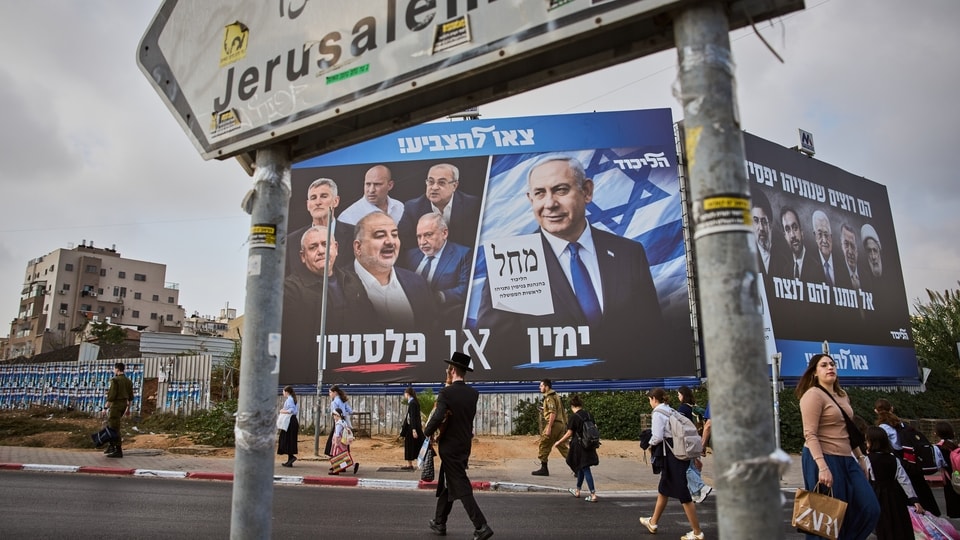
The October 27 election is shaping up as a referendum on Netanyahu’s leadership, with security, military conscription, relations with Israel’s Arab minority, judicial reform and the cost of living among the key issues confronting voters.
Also Read | October 7 attack, Eisenkot rivalry, public polls: Netanyahu's ultimate test in Israel
Deep Dive

Netanyahu’s Likud party faces a challenge from the centrist Yashar party, led by former military chief Gadi Eisenkot, as well as other opposition parties. The race is tight: a recent Channel 12 poll projected Yashar at 23 seats and Likud at 22, with Netanyahu and Eisenkot tied at 38% on who voters prefer as prime minister. Yet the election’s outcome will depend on more than which party secures the most votes. Israel’s proportional-representation system makes coalition negotiations crucial, leaving both Netanyahu and his rivals facing opportunities and risks as they attempt to assemble a governing majority.
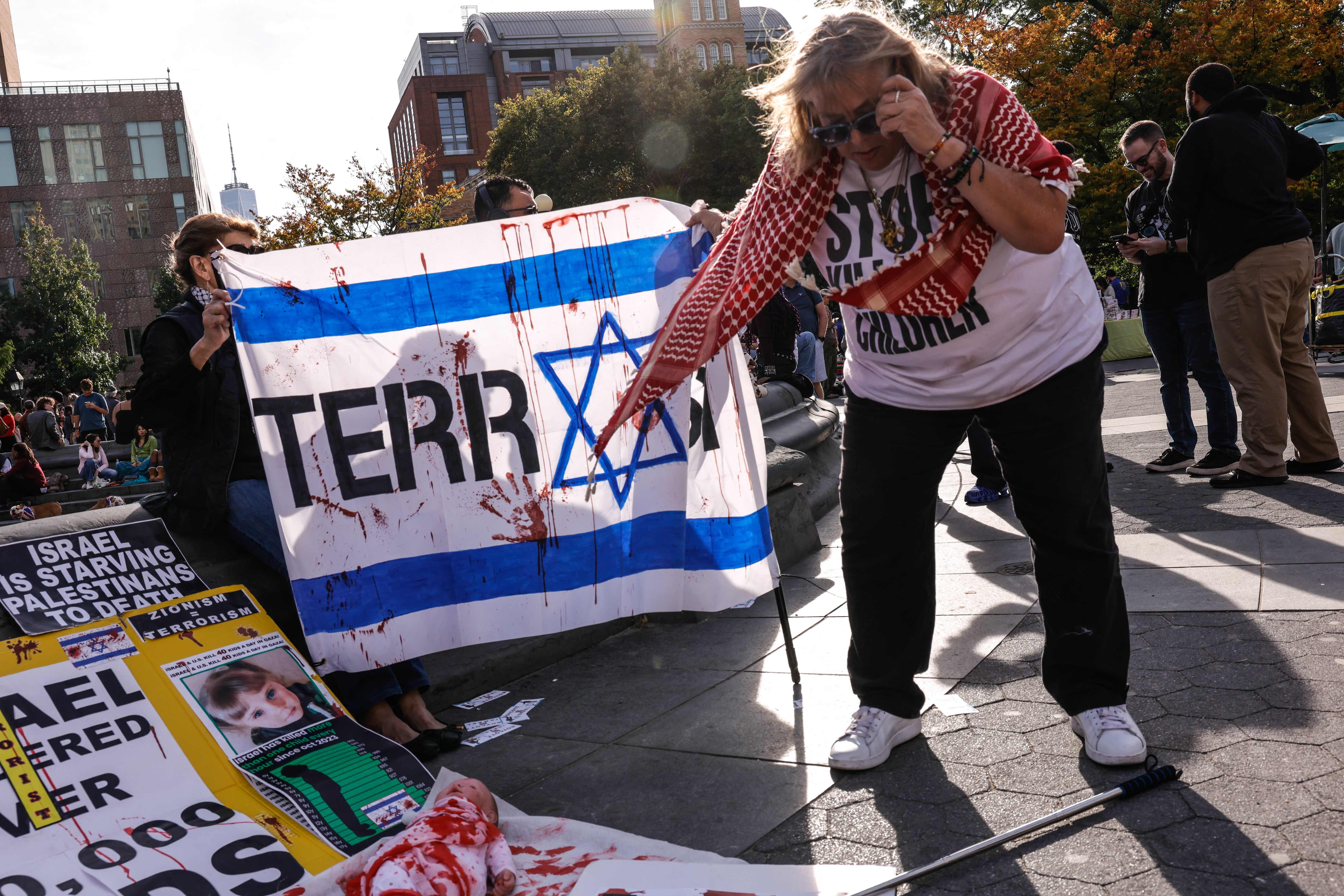
Here are five key challenges that could determine Netanyahu’s political future.
1. Security failures and the October 7 attacks
Security remains the defining issue of the election, with Netanyahu facing questions over the failures that preceded Hamas’s October 7, 2023, attack, in which around 1,200 people were killed and 251 were taken hostage, according to Israeli figures.
Netanyahu’s critics have argued that the government failed to protect Israelis from the unprecedented assault. The attack and the subsequent wars have also raised questions about the country’s security preparedness, the government’s accountability and its ability to provide lasting security. Eisenkot has pledged to establish a state commission of inquiry into the failures, a step Netanyahu has so far refused to take.
Track LIVE updates on Israel elections 2026
The prime minister, however, has sought to emphasise Israel’s military operations and strategic gains since October 2023, presenting his experience in office as an advantage at a time of continuing regional instability.
The war’s impact is particularly visible in northern Israel, where residents near the Lebanese border have endured years of rocket attacks, displacement and uncertainty.
Sigal Malachi, a plant nursery owner in the border region, told AFP that residents had lost their sense of security after October 7. “After October 7 we don’t sleep well anymore,” she said, according to the news agency.
Maxim Zarbaylov, a longtime Likud voter in Nahariya, told AFP he was considering voting for Eisenkot instead, blaming Netanyahu for the security failure.
“What happened on October 7, Bibi could have prevented it, but he didn’t,” Zarbaylov said, referring to Netanyahu by his nickname.
His remarks reflect the disillusionment among some voters who traditionally supported the prime minister’s party. Others, however, continue to argue that Netanyahu’s hard-line approach is necessary to protect Israel.
The challenge for Netanyahu is to persuade voters that his record in the subsequent wars outweighs the failures surrounding the October 7 attack. For the opposition, the task is to turn public anger into a sufficiently broad parliamentary majority.
2. Military conscription and exemptions for ultra-Orthodox Jews
The question of who serves in the Israeli military has emerged as another major election issue, intensifying longstanding tensions between secular Israelis and the ultra-Orthodox Jewish community.
Historically, many Haredi men engaged in full-time religious study have benefited from exemptions or arrangements that kept them out of compulsory military service. The policy has become increasingly contentious during the prolonged conflict, as the Israel Defense Forces have faced sustained demands on regular troops and reservists.
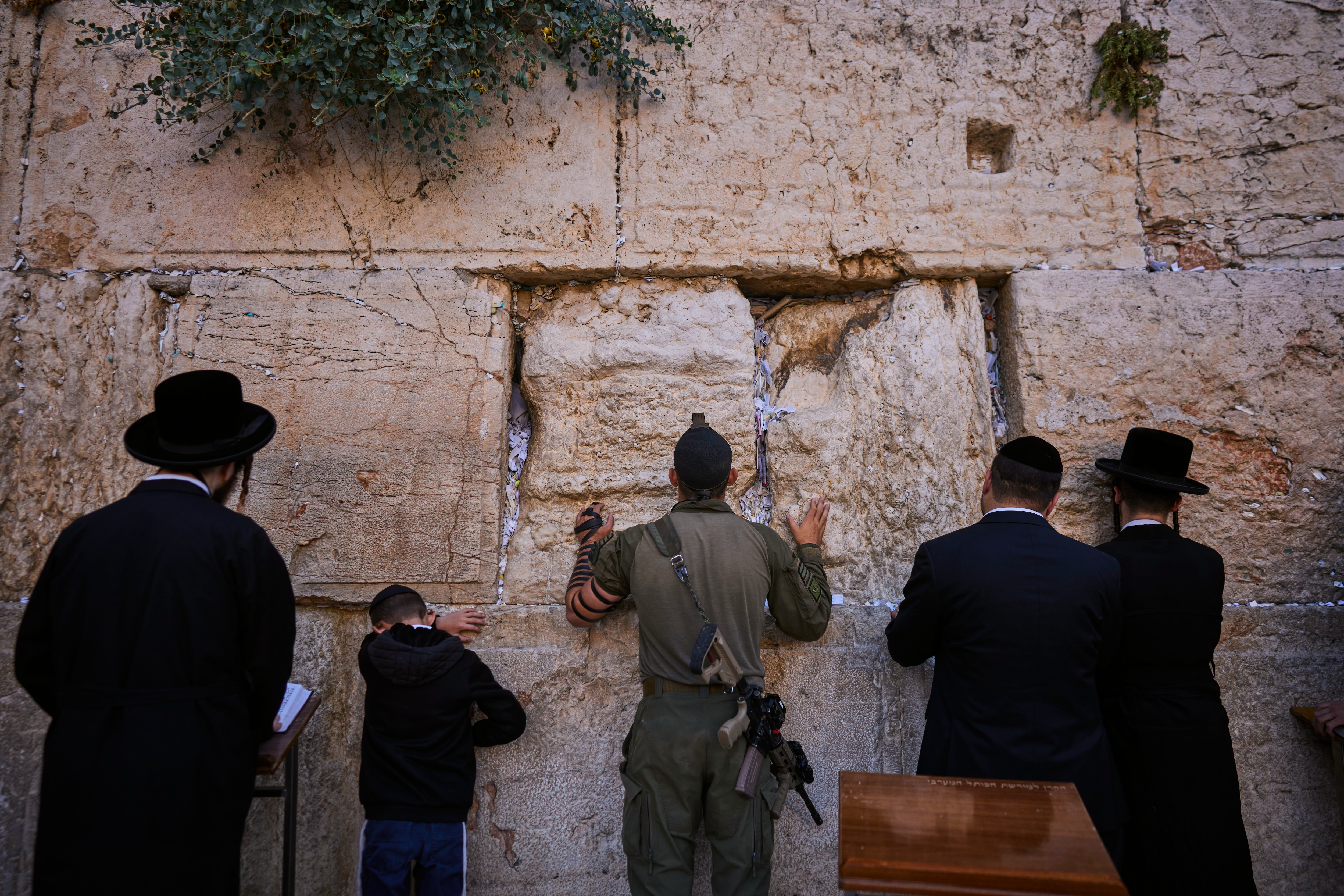
Critics argue that the burden of military service is unfairly distributed, particularly among those who have completed compulsory service and been repeatedly called up as reservists.
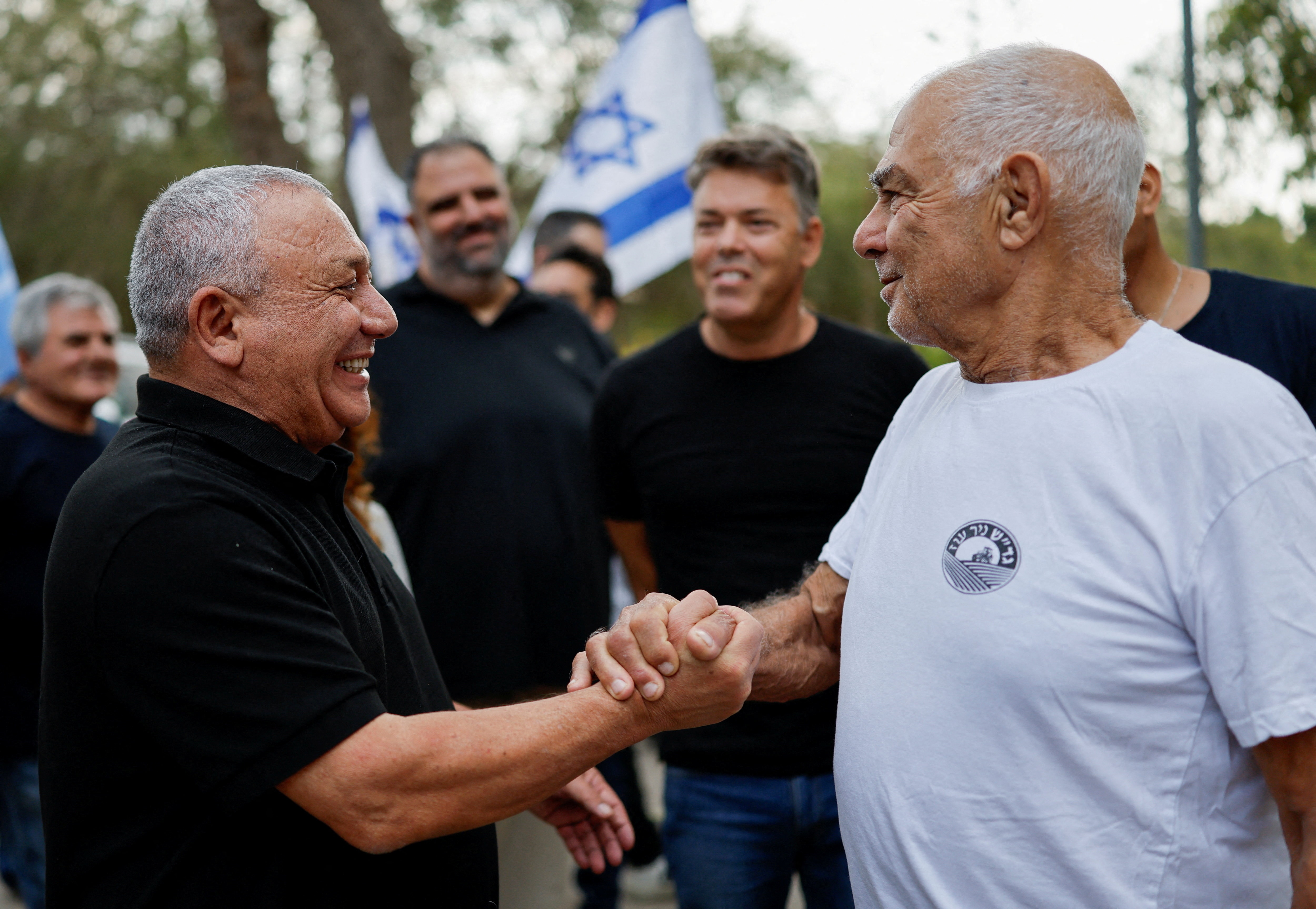
Eisenkot has pledged to introduce a broader military, national and civil service framework, with only limited exemptions for exceptional individuals. He has said he will not compromise on the issue and would rather face another election than do so.
The issue also places Netanyahu in a difficult position. His governing coalition has depended on ultra-Orthodox parties, which have sought to preserve exemptions for eligible members of their communities. Changing the system could therefore threaten the political alliances on which his government relies.
3. Arab voter turnout and the battle to assemble a majority
Israel’s Arab minority could play a decisive role in determining the next government, even though its parties face political and ideological barriers to joining a coalition led by the opposition.
ALSO READ | How Israel elects its prime minister without voters choosing a candidate
Arab citizens account for approximately 21% of Israel’s population. Their participation could influence the number of seats won by Arab-led parties and, in turn, the balance between the pro-Netanyahu and anti-Netanyahu blocs.
In an October 19 report, Reuters said Palestinian leaders in Israel were urging members of the Arab community to turn out in large numbers to help unseat Netanyahu’s government.
“We can ensure the formation of a new government of change,” Mansour Abbas, leader of the Arab-majority United Arab List, also known as Ra’am, told Reuters in Nazareth.
Abbas said his party wanted to replace the right-wing government, end the wars and halt settlement expansion while addressing attacks by Israeli settlers against Palestinians.
However, the opposition faces a significant complication. Eisenkot has so far ruled out forming a government with the Arab parties most Palestinian Israelis are expected to support, citing a lack of shared values. This could make it difficult for his bloc to translate an electoral advantage into a governing majority.
Reuters reported that opinion polls suggested Eisenkot’s bloc would fall short of a majority without Arab support, while Netanyahu’s religious-nationalist bloc would win around 50 seats. Arab parties could therefore become important either as coalition partners or by supporting a minority government from outside it.
The difficulty for the opposition is that its support is spread across several parties with differing positions on security, religion, the Palestinians and relations with Arab parties. They include Naftali Bennett and Yair Lapid’s joint list, Beyachad, which polls at around 13 seats. Netanyahu, meanwhile, has relied on an alliance that includes Likud, far-right parties and ultra-Orthodox factions.
ALSO READ | 'Vote for Bibi for PM': Trump renews pitch for Netanyahu as Israel heads to polls tomorrow
This fragmentation creates an opportunity for Netanyahu: even if Likud loses ground or finishes behind Yashar, he could remain in office if his allies collectively secure a workable majority and the opposition cannot agree on a coalition.
But the same arrangement is also a vulnerability. His dependence on smaller parties gives coalition partners leverage over policy and can make the government difficult to sustain if their demands conflict.
4. Judicial reform and concerns over checks and balances
Judicial reform remains a major point of contention too, reviving divisions that led to mass protests in Israel before the October 7 attacks, says a BBC report.
Netanyahu’s government has pursued changes to the judicial system that critics say could weaken judicial independence, expand executive power and erode the checks and balances that constrain the government. Supporters of reform have argued that the judiciary has accumulated excessive power and that elected representatives should have greater authority, says BBC.
The controversy has contributed to wider concerns about the balance between the executive, legislature and judiciary, as well as the role of independent institutions in holding the government accountable.
Professor Yossi Mekelberg, a senior consulting fellow with Chatham House’s Middle East and North Africa Programme, said the government’s approach to judicial reform and its treatment of independent institutions could remain a major concern if Netanyahu returns to power.
“We saw where this government started, with undermining the checks and balances, the separation of powers in Israeli democracy, the attack on the independence of the judiciary, constant attack on the gatekeepers, and I think it might be even worse because they will feel exonerated if they form another government,” Mekelberg said.
5. Cost of living and economic pressures
The cost of living is another issue likely to influence voting decisions, with households continuing to face high food prices, housing expenses and broader economic pressures after years of conflict.
Although Israel’s economy has shown resilience, the war has imposed substantial costs, while expensive housing and everyday essentials remain major concerns for many families.
According to the latest data from Israel’s Central Bureau of Statistics (July consumer price index), rents rose 2.6% for tenants who renewed their leases and 4.7% for new tenants. The bureau notes these figures approximate annual change, since most leases are fixed-term. The figures underline the pressure on households even as home prices have shown signs of easing, with the overall home price index down 1.5% year on year.
For Netanyahu, the challenge is to convince voters that his government’s economic management and security policies justify another term. For the opposition, it is to demonstrate that a change of government would produce tangible improvements in household finances rather than simply a change in political leadership.