
 E-Paper



Israel-Palestine conflict: 5 must-read books for comprehensive understanding
Explore these five books to gain a comprehensive understanding of the long-standing Israel-Palestine conflict.

 Prefer HTon Google


The surprise assault by Hamas militants on Israel and the retaliatory attack on the Gaza Strip has brought back focus to the long-standing and complex dispute over territory, sovereignty, and identity in the Middle East. The Israel-Palestine conflict has its roots in the late 19th and early 20th centuries when Zionist Jews began immigrating to Palestine, then part of the Ottoman Empire, with the aim of establishing a Jewish homeland. This movement eventually led to the establishment of the State of Israel in 1948, resulting in a war between Israel and its Arab neighbours and the displacement of Palestinian Arabs.
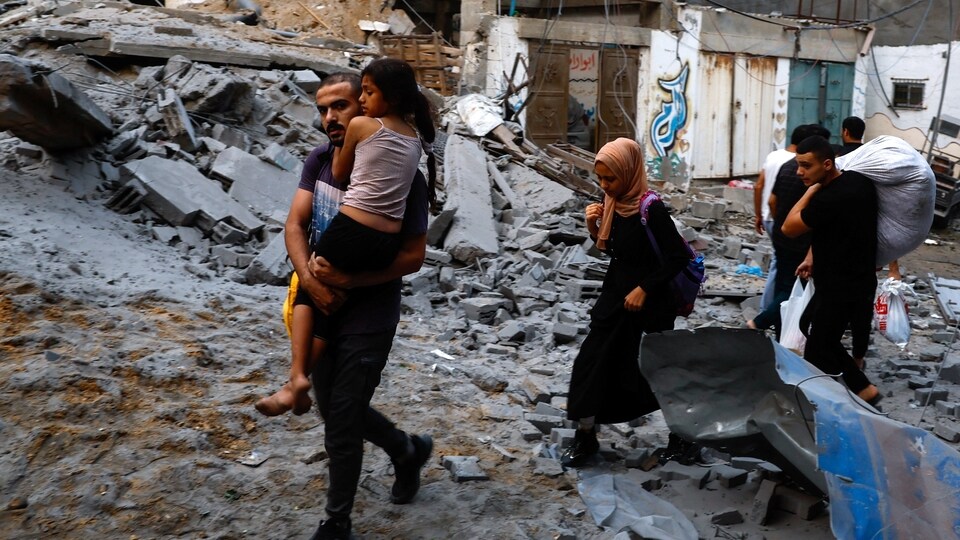
The conflict has since evolved through numerous wars, uprisings, peace negotiations, and continued territorial disputes, making it one of the most intractable conflicts in the world.
Hamas – the Iranian-backed Islamist militants who run the impoverished, blockaded Gaza Strip – has dealt a severe blow to momentum to secure a landmark US-brokered deal between Israel and Saudi Arabia. Experts believe that Arab states would likely feel obliged to take a harder stance in line with public sentiment following the forceful retaliation by Israel.
Check out these five books to gain a comprehensive understanding of the Israel-Palestine conflict from various perspectives:
1. "The Gun and the Olive Branch: The Roots of Violence in the Middle East" by David Hirst
David Hirst's myth-breaking book explores the historical events, political decisions, and violence that have shaped the Israel-Palestine conflict, with a particular focus on the Arab perspective. Hirst, a former Middle East correspondent of the Guardian, traces the origins of the terrible conflict back to the 1880s to show how Arab violence, although often cruel and fanatical, is a response to the challenge of repeated aggression.
2. “From Beirut to Jerusalem” by Thomas L. Friedman
'From Beirut of Jerusalem' is essentially a memoir and an analysis of Thomas Friedman's experiences as a journalist covering the Middle East during the 1980s. The three-time Pulitzer winner, known for his expertise in international affairs and globalization, provides readers with a deep understanding of the historical, political, and cultural complexities of the Middle East. One of the book's strengths is its humanizing approach to the people caught up in the conflicts, whether they be Lebanese, Israelis, or Palestinians. Friedman introduces readers to a wide range of characters and provides their personal stories, adding depth and nuance to the broader narrative.
3. "The Ethnic Cleansing of Palestine" by Ilan Pappé
Renowned Israeli historian Ilan Pappe's groundbreaking book revisits the formation of the State of Israel. The central thesis of the book revolves around the assertion that the establishment of Israel in 1948 involved a deliberate policy of ethnic cleansing by Zionist forces, resulting in the expulsion and displacement of hundreds of thousands of Palestinian Arabs from their homes and land. Pappé draws upon extensive archival research and oral history interviews to support his argument, presenting evidence of planned and systematic actions by Zionist militias to depopulate Palestinian villages and towns.
4. "My Promised Land: The Triumph and Tragedy of Israel" by Ari Shavit
This New York Times Bestseller provides a deeply introspective exploration of Israel's history and identity. Through interviews, historical accounts, and personal narratives, Ari Shavit offers a nuanced view of the Israeli experience, highlighting both triumphs and challenges.
5. "The Iron Cage: The Story of the Palestinian Struggle for Statehood" by Rashid Khalidi
Rashid Khalidi, a prominent Palestinian-American historian, delves into the historical roots of the Palestinian struggle for statehood. Drawing upon his extensive knowledge of Middle Eastern history and politics, Khalidi provides readers with a rich and nuanced account of the Palestinian quest for self-determination in the face of numerous challenges and obstacles. The title "The Iron Cage" aptly reflects the overarching theme of the book, which explores how historical circumstances, geopolitical forces, and regional dynamics have confined and constrained the Palestinian people in their pursuit of statehood. Khalidi also sheds light on the role of key actors, including Palestinian leaders, neighbouring Arab states, and the international community, in shaping the course of this ongoing conflict.
It's tough to zero in on just five books when the complexity and depth of this long-standing conflict have generated a vast body of literature and perspectives from various angles and historical periods. So here's one more suggestion:
"The Lemon Tree: An Arab, a Jew, and the Heart of the Middle East" by Sandy Tolan
Sandy Tolan's narrative weaves together the stories of an Israeli and a Palestinian family, providing a deeply personal perspective on the conflict and its impact on individuals and communities. The central narrative revolves around the lives of Bashir Khairi, a Palestinian who was forced to leave his family's home in Ramle during the 1948 Arab-Israeli war, and Dalia Eshkenazi Landau, an Israeli who, decades later, moves into the very same house in Ramle. Tolan skillfully uses their stories as a lens through which to explore the broader historical, political, and social issues that have shaped the Middle East.


