
 E-Paper



Japan could release Fukushima radioactive water into the environment
Discussions on how to dispose of the liquid has been ongoing for years with no deadline set to report it to the government. The treated water is currently kept in huge tanks at the Fukushima Daiichi site.


A Japanese government agency has proposed releasing radioactive water from the stricken Fukushima nuclear plant into the environment, as storage space runs out.
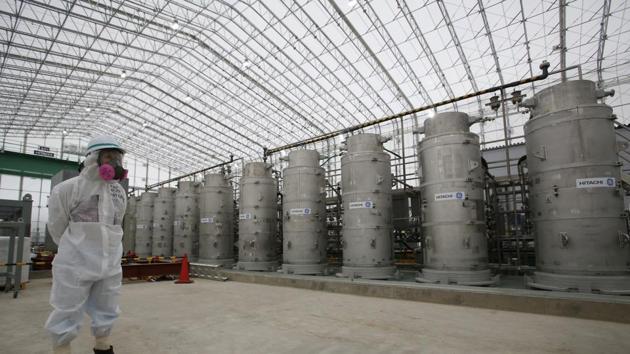
The plant suffered a meltdown about nine years ago after it was hit by an earthquake-triggered tsunami. About a million tonnes of contaminated water has built up since then and the tanks that hold it are almost full.
The government’s Agency for Natural Resources and Energy on Monday proposed three ways to deal with the water -- releasing it into the sea, into the air using vaporisation or a combination of the two.
“There is no option (any longer) of simply storing the water for a long period of time,” an agency official told AFP on Tuesday.
An extensive pumping and filtration system is in place at the plant, which each day brings up tonnes of newly contaminated water and filters out almost all radioactive elements.
The process leaves only tritium, which experts say is only harmful to humans in very large doses.
No decision was taken at Monday’s meeting but “no members voiced opposition to the view that a technically realistic way is discharging the water into the sea or the air,” according to the agency official.
The panel has been discussing how to dispose of the liquid for years and no deadline has been set for it to report to the government.
The radioactive water comes from several different sources, including water used for cooling at the plant groundwater that seeps into the plant daily and rainwater.
Properly filtered Fukushima water could be diluted with seawater and safely released into the ocean without causing environmental problems, the International Atomic Energy Agency argues.
Discharging it into the environment could trigger protests however -- not only from local fishermen and farmers but also from neighbouring countries.
The treated water is currently kept in a thousand huge tanks at the Fukushima Daiichi site.
Plant operator TEPCO is building more tanks but all will be full by the summer of 2022.


