E-Paper



Pak's mediation or China's role? Who drove Iran and US to ceasefire
The pause - framed as both a strategic recalibration and an opening for negotiations - came just hours before the deadline Trump imposed for Iran.

 Prefer HTon Google


In a last-minute diplomatic turn that seems to have pulled the region back from the brink of military escalation, US President Donald Trump announced a temporary halt to planned strikes on Iran, crediting urgent backchannel appeals from Shehbaz Sharif and Pakistan Army chief Asim Munir.
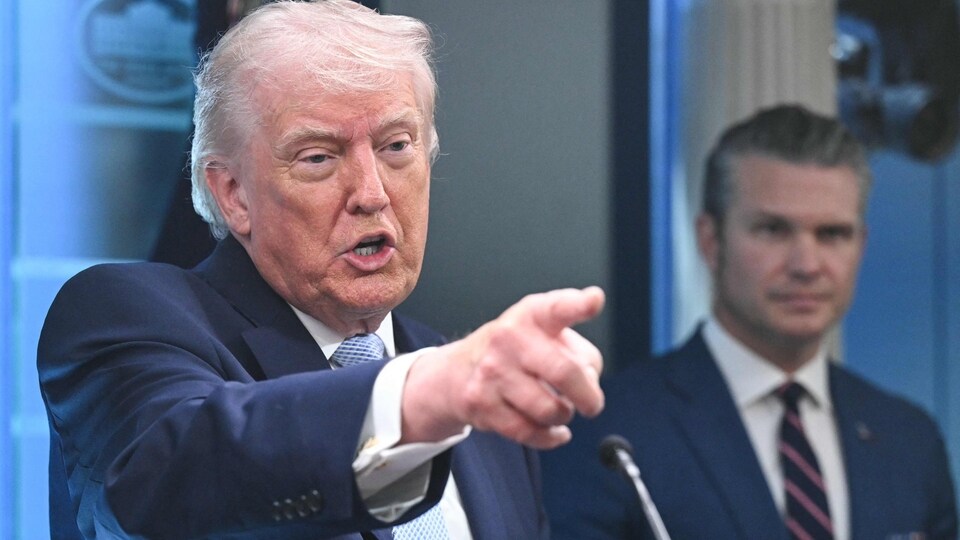
The pause - framed as both a strategic recalibration and an opening for negotiations - came just hours before the deadline he imposed for Iran, signalling a broader, coordinated diplomatic push. Pakistan emerged as the central intermediary, while China also reportedly played a role by reinforcing calls for de-escalation.
Follow here for live updates on US-Iran war
Pakistan's backchannel communication with Vance and Witkoff
Trump said, “Based on conversations with Prime Minister Shehbaz Sharif and Field Marshal Asim Munir, of Pakistan, and wherein they requested that I hold off the destructive force being sent tonight to Iran, and subject to the Islamic Republic of Iran agreeing to the COMPLETE, IMMEDIATE, and SAFE OPENING of the Strait of Hormuz, I agree to suspend the bombing and attack of Iran for a period of two weeks.”
The move followed direct backchannel outreach from Sharif and Munir, who urged restraint and positioned Pakistan at the centre of efforts to defuse the crisis.
Officials said Munir had in the last two days also spoken with US Vice President JD Vance, special envoy Steve Witkoff and Iran’s foreign minister Abbas Araghchi as part of the mediation effort, Al Jazeera reported.
While Trump ultimately announced the pause, the de-escalation appears to have been driven by converging diplomatic pressure.
Also Read | What did Donald Trump's two-week Iran ceasefire announcement say? Full text
China's quieter role
China played a quieter but influential role by nudging Tehran towards a ceasefire path through intermediaries including Pakistan, Turkey and Egypt, according to The Associated Press.
Earlier, foreign ministry spokesperson Mao Ning had said, “All parties need to demonstrate sincerity and quickly end this war that should not have happened in the first place,” while warning of risks to global economic stability and energy security.
Tehran, for its part, signalled willingness to de-escalate. Iran’s Supreme National Security Council confirmed it had accepted a ceasefire framework and would enter negotiations with the United States in Islamabad later this week.
Taken together, the sequence suggests the ceasefire push was not the result of a single actor, but a convergence: Pakistan’s last-minute mediation, China’s quiet pressure, and Iran’s readiness to engage — all culminating in Trump’s decision to pause strikes and open a narrow window for negotiations.