
 E-Paper





Follow the latest breaking news, major developments and agenda-setting stories from India and around the world with the newsdesk at Hindustan Times. Operating round the clock, the desk brings together experienced editors, reporters and correspondents to deliver fast, accurate and contextual reporting across subjects that influence public policy, governance, business, society and international affairs. The HT News Desk covers politics, elections, government policies, the economy, business and markets, science and technology, the environment, law and order, infrastructure, education, climate issues and geopolitics, while closely tracking developments across states, institutions and global capitals. The team also leads coverage of major breaking news events, policy announcements, court proceedings, natural disasters, public emergencies and significant international developments. Reports published by the newsdesk are based on information gathered from reporters on the ground, official statements, government agencies, court records, regulatory filings, recognised institutions and other authoritative sources. Stories undergo editorial scrutiny and verification processes to ensure accuracy, fairness and relevance, and are updated as events evolve and additional information becomes available. Whether covering a key political decision in New Delhi, an economic policy shift affecting millions, a landmark court ruling or a major global event, the HT News Desk aims to provide readers with reliable, fact-based journalism that delivers not only the latest developments but also the context and analysis needed to understand their wider implications.
 Trending News
Sri Lanka’s sacked prime minister Ranil Wickremesinghe wins confidence vote
Ranil Wickremesinghe received 117 votes in favor in the 225-member legislative body. The result is expected to increase pressure on President Maithripala Sirisena to reappoint Wickremesinghe as prime minister.


The former Sri Lankan prime minister whose October sacking by the president precipitated a political crisis won a confidence vote in Parliament on Wednesday.
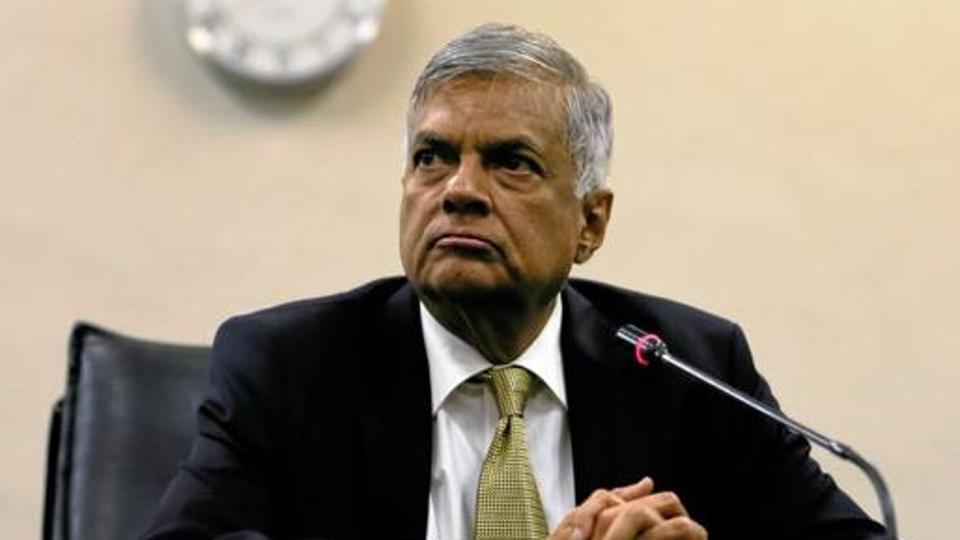
Ranil Wickremesinghe received 117 votes in favor in the 225-member legislative body. The result is expected to increase pressure on President Maithripala Sirisena to reappoint Wickremesinghe as prime minister. Sirisena has vowed not to reappoint him despite criticism that such refusal is against the constitution.
After Sirisena sacked Wickremesinghe, he appointed his former rival Mahinda Rajapaksa in his place. Sirisena has said he has no cultural coherence with Wickremesinghe, who is more Westernized and holds liberal views.
Sirisena had opposed Wickremesinghe’s economic policies and his efforts to investigate alleged abuses during Sri Lanka’s long civil war, which ended in 2009.
Wickremesinghe’s sacking has precipitated bitter political bickering, physical fighting in Parliament and a sequence of complex court battles.
Also read | Sri Lanka: President Sirisena fails to meet deadline to end political crisis
Soon after being appointed prime minister, Rajapaksa sought to secure a working majority in Parliament but failed. Sirisena dissolved Parliament and ordered fresh elections and the move has been stayed by the Supreme Court.
Rajapaksa has been defeated twice in no-confidence motions in Parliament and also had his and his ministers’ finances cut by majority votes.
The no-confidence votes saw fighting between lawmakers, with Rajapaksa supporters occupying the speaker’s chair and throwing books and water mixed with chili powder to try to prevent a vote. The speaker, however, announced that the votes were passed by voice and that there was no longer a prime minister or other ministers.
However, Rajapaksa continued in office with Sirisena’s backing. Lawmakers opposed to Rajapaksa took their fight to the Court of Appeal, which has stayed him and his ministers from functioning in their positions until the case is concluded. On Wednesday, lawyers appeared for Rajapaksa and the stayed ministers in court, which set the hearing for January also extending the stay order.
Also, the Supreme Court is expected to issue a decision this week on whether it was legal for Sirisena to dissolve Parliament. A recent constitutional amendment has a provision that the president can’t dissolve Parliament before 4 1/2 years from the day of its first sitting.
Read | Sri Lanka president weighs backing down in crisis over parliament


