E-Paper


By 2012, Colorado drained Bonny Reservoir after nearly 60 years to meet river compact duties; by 2021, Russian olives spread across its dry lakebed
Colorado drained Bonny Reservoir to meet interstate water obligations. By 2021, invasive Russian olives had taken hold in its dry bed.

 Prefer HTon Google


The Bonny Reservoir in Colorado used to attract many families, fishermen, and migratory birds to the South Fork of the Republican River on the border with Kansas. Having existed for almost six decades, this reservoir was drained in 2012 so that Colorado could fulfill its part of the water treaty signed by several states. By 2021, invasive Russian olive trees had spread across portions of the former reservoir.
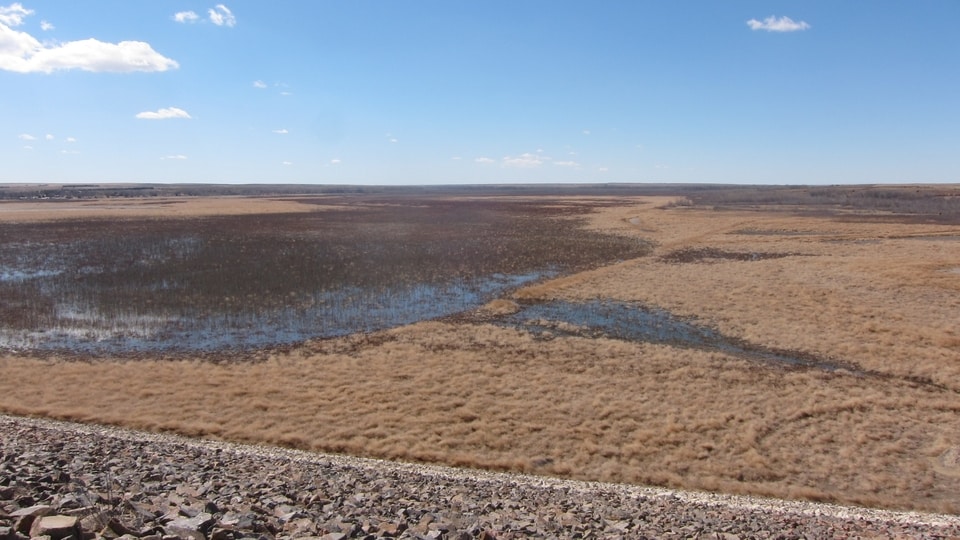
A 2021 report by Water Education Colorado titled Republican: Restoring Now-Dry Bonny Reservoir examines the decision and its consequences. It explains how the water management requirements in Colorado resulted in the drying up of the recreational water source, and how the invasive plants made the process of restoration difficult.
The reason for draining Bonny Reservoir in Colorado
Bonny Reservoir is located around 12 miles west of the Kansas border on the South Fork of the Republican River. The creation of the reservoir was necessitated by the catastrophic flood that occurred in May 1935 and led to the loss of more than 100 lives in the Republican River Basin. Following the disaster, flood-control measures were developed, including the construction of Bonny Dam, which began in 1948 and was completed in 1951.
Losing the reservoir meant much more than losing water storage facilities. Water Education Colorado reported that Deb Daniel, the general manager of the Republican River Water Conservation District, stated that she grew up next to the reservoir and was accustomed to water-skiing on it. Furthermore, four of her relatives died in the 1935 flood, the disaster that prompted the reservoir's construction.
The reservoir was drained because of Colorado's obligations under the Republican River Compact, which governs water deliveries among Colorado, Kansas, and Nebraska. Excessive groundwater pumping reduced surface water flow, making it difficult to deliver enough water. Measures to increase the delivery of the needed amount of water were taken, including the voluntary retirement of many wells.
Draining the reservoir reduced seepage and evaporation losses in the compact accounting, Water Education Colorado reported. The dam remained in place for flood protection.
According to an April 2022 US Bureau of Reclamation report on the Niobrara, Lower Platte and Kansas River Basins, Colorado ordered Bonny Reservoir drained on September 20, 2011, to comply with the Republican River Compact. The drawdown was completed by the end of May 2012, and incoming water has since been bypassed rather than stored in the reservoir. The report's storage records show that Bonny held zero acre-feet of water on both September 30, 2020, and September 30, 2021.
Invasive vegetation complicates the restoration process
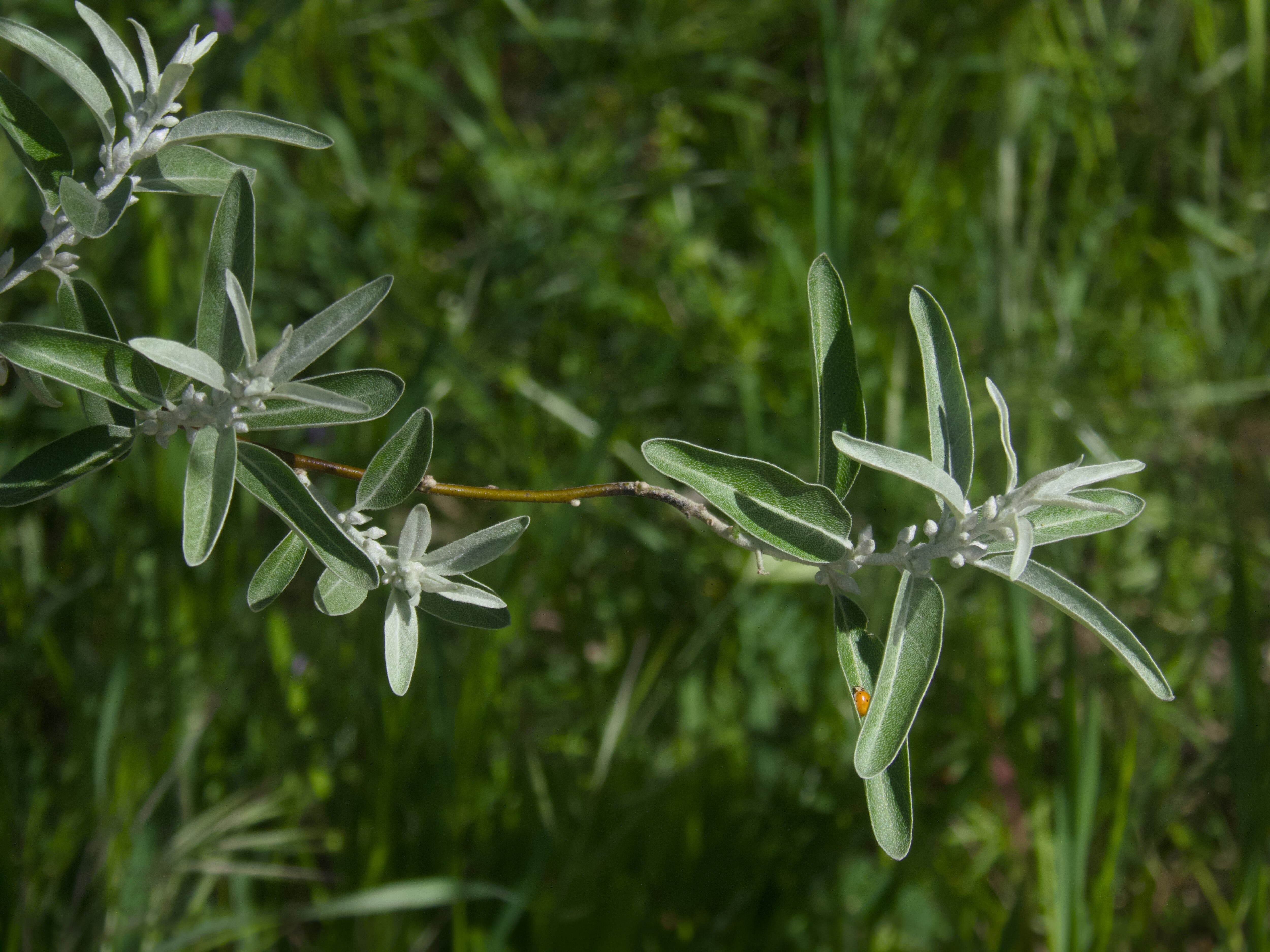
With the draining of the reservoir, the environment around it changed significantly. The 2021 Water Education Colorado report describes how invasive vegetation such as Russian olives took hold in the former reservoir area and the river channel. The plant's roots can absorb some surface water, creating another challenge for restoring the stream corridor.
There have been efforts to rehabilitate the environment surrounding the river instead of restoring the previous lake. The report states that Daniel and others were working on a stream management plan to improve the South Fork of the Republican River. The goal of the rehabilitation effort was to improve the riparian area.
The history of Bonny represents an interplay among the requirements of interstate water agreements, economic interests, and environmental restoration. The reservoir had been drained, ending its recreational use, while the surrounding environment underwent ecological changes. The restoration work described in the 2021 report focused on ensuring a sustainable future for the river corridor.