
 E-Paper


How was Marcus Coleman’s daughter injured? All you need to know after emotional Capitol hearing
California father Marcus Coleman confronted lawmakers over daughter Dalilah’s life-changing injuries after 2024 LA crash with illegal immigrant truck driver.

 Prefer HTon Google


Marcus Coleman's young daughter suffered permanent disabilities after a devastating Southern California crash. The California father delivered an emotional testimony before lawmakers this week and accused politicians of offering sympathy while failing to address the public safety failure.
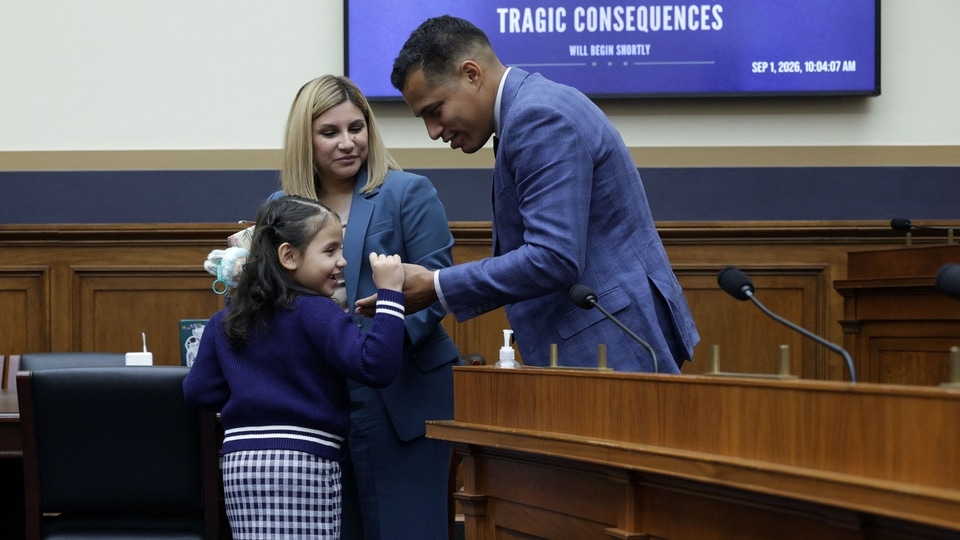
Marcus’s daughter, Dalilah, suffered injuries that changed her life permanently. Her father said the family has faced years of medical challenges while caring for her. Marcus described the incident during a House Judiciary Subcommittee on Immigration Integrity, Security, and Enforcement hearing focused on sanctuary policies.
What happened to Marcus Coleman’s daughter Dalilah?
According to reports, Dalilah Coleman was severely injured in a 2024 tractor-trailer crash in Southern California. Authorities said the truck driver, identified as Partap Singh, was travelling at about 60 mph and failed to stop for traffic in a construction zone.
Pratap Singh was identified as an illegal immigrant from India who had obtained a California commercial driver’s license.
Dalilah, then a 5-year-old girl, suffered a fractured skull, broken femur and traumatic brain injury after an 18-wheel tractor-trailer crashed into the vehicle she was travelling in during 2024.
After suffering severe head damage, Dalilah spent three months in a coma. The 7-year-old is now mentally disabled as a result of the accident.
Coleman previously told KGET, “I won’t say four different times that they told her she wasn’t going to make it. So we were, we were living on the verge of losing her…we’re just taking a day at a time. Every day is something new that comes up that we’re having to deal with.”
Dalilah has since been diagnosed with diplegic cerebral palsy, global developmental delay and will need lifelong therapy. According to Marcus, the crash left her unable to walk, talk, eat orally, or attend kindergarten as planned.
Coleman told lawmakers that the accident also affected his ability to support his family financially. He said he stopped working as a truck driver because of the demands of caring for Dalilah and his nine children.
“I’m no longer truck driving. I no longer make the money that we used to make. I’m now pinching pennies,” Coleman said during the hearing.
‘I reject your sympathy’
Coleman criticised Democratic lawmakers during the hearing, claiming they never personally contacted his family after the crash.
“Not one of you guys have ever sat there and seen me in the hallways and said, ‘Hey, sorry about your daughter,’” Coleman said.
“I reject your guys’ sympathy,” Marcus told lawmakers. He said he did not want statements of support during congressional hearings after receiving little direct outreach following his daughter’s injuries.
Why did the crash become part of the sanctuary policy debate?
The hearing focused on sanctuary policies, which limit how state and local authorities cooperate with federal immigration enforcement.
California became a sanctuary state in 2017 after then-Governor Jerry Brown signed Senate Bill 54, also known as the California Values Act. The law restricts state and local law enforcement agencies from investigating or detaining people solely for federal immigration enforcement purposes.
During his testimony, Coleman criticised the approach and said his daughter represented the consequences of those policies.
“This is the end result of Sanctuary City right here,” Coleman said while pointing to his daughter.
In an interview with Fox News, Marcus said, “When I tuck Dalilah at nighttime, I don’t tuck in a Democrat or a Republican; I tuck in a 7-year-old girl who suffered a traumatic brain injury as a result of failed policies here in the United States.”


