E-Paper


In 2019, Arizona scientists withheld rain from Biosphere 2’s rainforest for 9.5 weeks; carbon storage fell 70% before rain returned and recovery began
In 2019, scientists turned off the rain in Biosphere 2’s glass rainforest for 9.5 weeks. Carbon storage fell about 70%, and recovery began when rain returned.

 Prefer HTon Google


If you forget to water a houseplant for a week or two, it will droop quickly. Now imagine doing that to an entire rainforest on purpose. That is what scientists at Biosphere 2 in Arizona did in 2019. In a Science paper, Werner and colleagues describe how they turned off the rain for 9.5 weeks and watched what happened to the trees, soil, and air. The goal was to explore how a severe drought affects a forest's carbon and water dynamics.
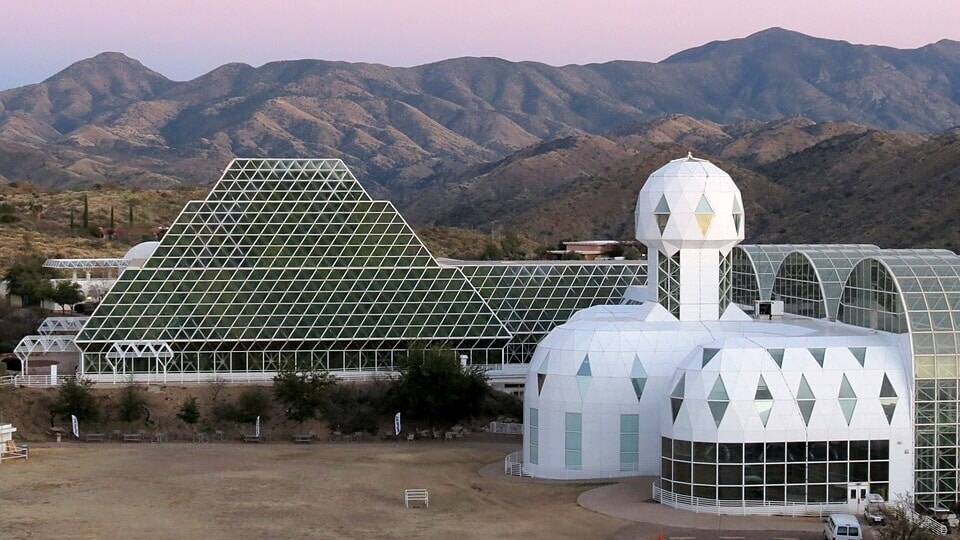
A rainforest under glass
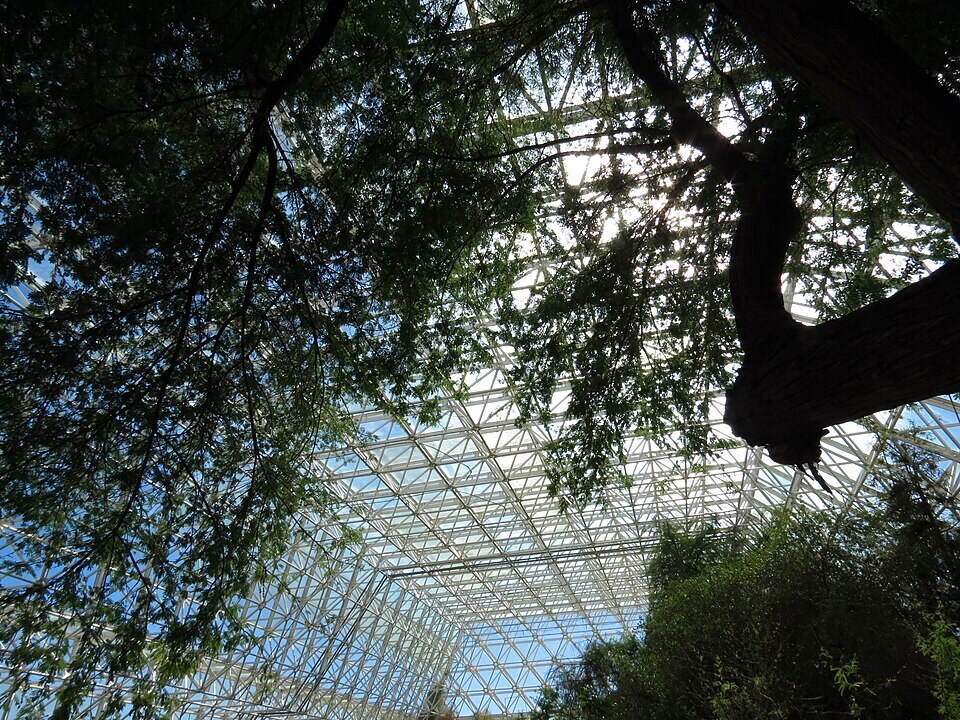
Biosphere 2 is a University of Arizona research facility located in Oracle, Ariz. Its glass-enclosed rainforest, about the size of seven tennis courts, has 90 species of plants. It’s a rare place for scientists to control the rain and watch an entire ecosystem respond. According to University of Arizona News, 80 international scientists participated in the project co-led by Christiane Werner of Germany’s University of Freiburg, Laura Meredith, and Scott Saleska of the University of Arizona. They installed nearly 2 miles of Teflon tubing and more than 133 sensors throughout the forest to collect data on carbon, water, and soil processes. They also followed labeled carbon dioxide and deep water through the forest to see where the carbon and water ended up.
How the trees and soil reacted
The first to dry out was the topsoil, and the drought-sensitive canopy trees felt it fastest. These trees dominated the total flows of water and carbon in the forest, but they also responded most strongly as the top layer of soil dried.
The surprising part was this: researchers had assumed the drought-sensitive trees would immediately tap into the deep soil water, but they did not. Instead, Werner said, the trees drastically cut their water use and turned to deep reserves only under very extreme drought, conserving them for as long as possible.
Other plants played different roles. The university’s summary explains that large drought-tolerant trees held onto their leaves the longest, helping to provide shade to undergrowth and protect against further drying out of topsoil. As stress increased, plants also emitted more volatile organic compounds, or VOCs, chemicals associated with stress and signaling. But the Science paper also found that carbon moving below ground slowed down while plants kept sending fresh carbon into VOCs. Some of the compounds were trapped by soil microbes before they could rise up into the air above the forest.
The 70% drop and what came next
The headline figure is hard to miss. The team found a roughly 70% drop in the carbon storage in the rainforest as the drought deepened. That’s important because the forests absorb carbon dioxide from the air, and scientists are concerned about how well they can continue to do that as the climate changes. Then the rain came again. As the water returned, the plants started to respond, and the forest started to recover. Meredith said the diversity of plant types helped the forest retain more carbon and maintain water cycling at the height of the drought, and recover quickly once moisture returned.
The findings have limits, however, since a glass rainforest is not the Amazon. But severe droughts are a threat to ecosystems around the world, and tests like this help scientists understand what might happen outside the lab. Some plants play it safe and slow down; others continue on their way and take more risks. In some ways, Meredith said, the forest was “surprisingly resilient” to drought. Even so, the 70% drop shows the damage was real: “resilient” here means the forest kept functioning and bounced back, not that it escaped harm. These differing plant strategies shape how hard drought hits an ecosystem and how exposed it is to climate change. Meredith added that future studies and models should consider plant groups, soil, and the atmosphere together.