
 E-Paper



World Breastfeeding Week: UNICEF, WHO urge stakeholders to aid related policies
World Breastfeeding Week: UNICEF and WHO expressed the importance of breastfeeding and called on governments to allocate increased resources to protect, promote and support related policies and programmes for this year's World Breastfeeding Week.

 Prefer HTon Google


On the occasion of World Breastfeeding Week, UNICEF and WHO expressed the importance of breastfeeding and called on governments to allocate increased resources to protect, promote and support related policies and programmes. The theme for this year’s World Breastfeeding Week is ‘Step up for breastfeeding:Educate and Support’.
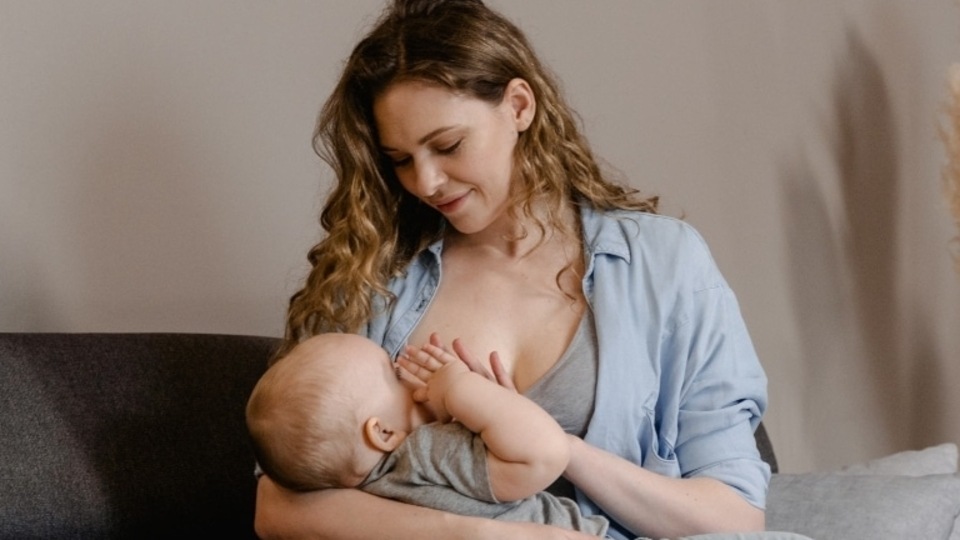
In a tweet, UNICEF, now officially known as United Nations Children's Fund, spoke about how breastfeeding gives babies the best and only nutrition they need in their first six months of life and helps prevent illnesses and boost brain development.”
“It’s #WorldBreastfeedingWeek! Breastfeeding gives babies the best and only nutrition they need in their first six months of life, helping to prevent illnesses and boosting their brain development,” the global child care organisation wrote.
The World Health Organisation (WHO) said breastfeeding is one of the most effective ways to ensure a child’s health and survival. However, nearly two of the three infants are not exclusively breastfed for the recommended six months — a rate, the global health body said, has not improved in two decades.
Also Read | Rural women in UP show improvement on index of breastfeeding newborns
“Breastmilk is the ideal food for infants. It is safe, clean and contains antibodies which help protect against many common childhood illnesses. Breastmilk provides all the energy and nutrients that the infant needs for the first months of life, and it continues to provide up to half or more of a child’s nutritional needs during the second half of the first year, and up to one third during the second year of life.”
Also Read | Tips to aid breastfeeding for first time mothers
It said children who are breastfed perform better on intelligence tests, are less likely to be overweight or obese and less prone to diabetes later in life. Women who breastfeed also have a reduced risk of breast and ovarian cancers, WHO added.
It also slammed “inappropriate marketing of breast-milk substitutes” that it said continues to undermine efforts to improve breastfeeding rates and duration worldwide.
In a joint statement, the global health bodies said only 44 per cent infants are exclusively breastfed in the first six months of life which is short of the World Health Assembly target of 50 per cent by 2025. Emotional distress, physical exhaustion, lack of space and privacy and poor sanitation experienced by mothers are the reasons for babies to missout the benefits of breastfeeding, they said.
Also Read | Is breastfeeding too hyped up?
They sought the support of governments, donors, civil society and the private sector for bringing up policies on breastfeeding, providing quality counseling and support to mothers, to implementing the International Code of Marketing of Breast-Milk Substitutes, to implement family-friendly policies that provide mothers with the time, space and support they need to breastfeed.
“Along with our efforts to protect the planet as the ultimate natural, sustainable and first food system, there needs to be efforts for the survival, growth and development of millions of infants,” the statement read.
As breastfeeding acts as the baby's first vaccine, it is the best possible start in life to protect the child from diseases and any form of malnutrition, including wasting. It has been proven even during emergencies like in Afghanistan, Ukraine, Yemen and others, breastfeeding guarantees a safe, nutritious and accessible food source for babies and young children,” it further said.


