
 E-Paper



Book to Screen: The Magic Faraway Tree
The film adaptation of Enid Blyton’s book series trades some of the author’s subtlety for a contemporary warning about technology, but retains her idea that childhood needs room for wonderment

 Prefer HTon Google


What happens when a technology-addicted Instagram influencer with major mean girl energy is stuck in Enid Blyton’s vibrant, colourful fairyland? For starters, she is confused. Why has the ‘5G’ sign on her phone disappeared? How is she supposed to charge her phone in a barn which has no electricity? Does that mean that she will have to… touch grass and interact with people face-to-face? The horror! At one point, this teenage influencer asks a rather important question: why is the fairy so proud of “baking cakes and looking pretty”? The influencer wonders: “Has feminism not made it to these parts yet?”
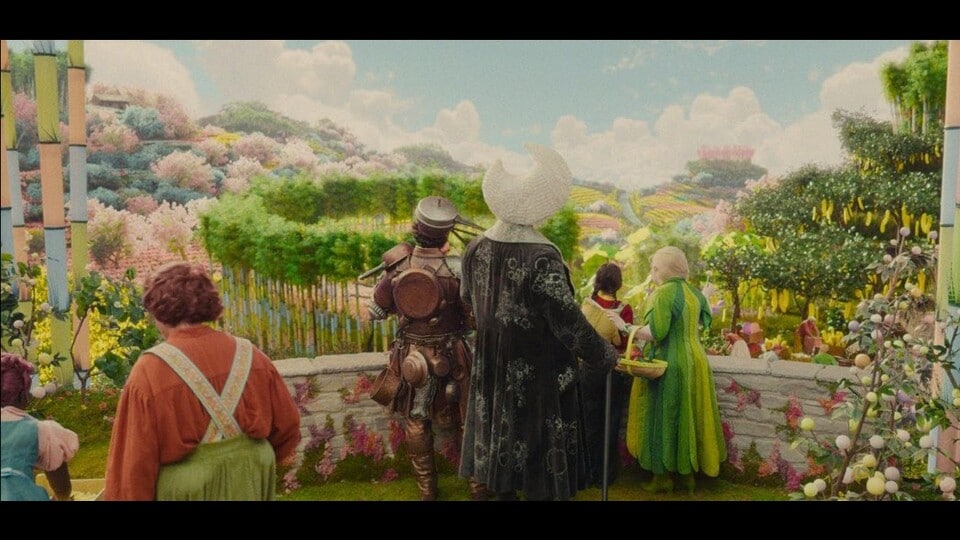
Celebrated children’s author Enid Blyton didn’t live to see the horrors of a world dominated by AI slop and social media algorithms, and one definitely envies her for that. Director Ben Gregor, however, takes on the rather ambitious task of juxtaposing Blyton’s fairyland with a self-cannibalizing world dominated by tech and phones in his film The Magic Faraway Tree (2026). He exposes the dearth of wonder in children’s lives while making a compelling case for why fairytales still matter in 2026, AI be damned.
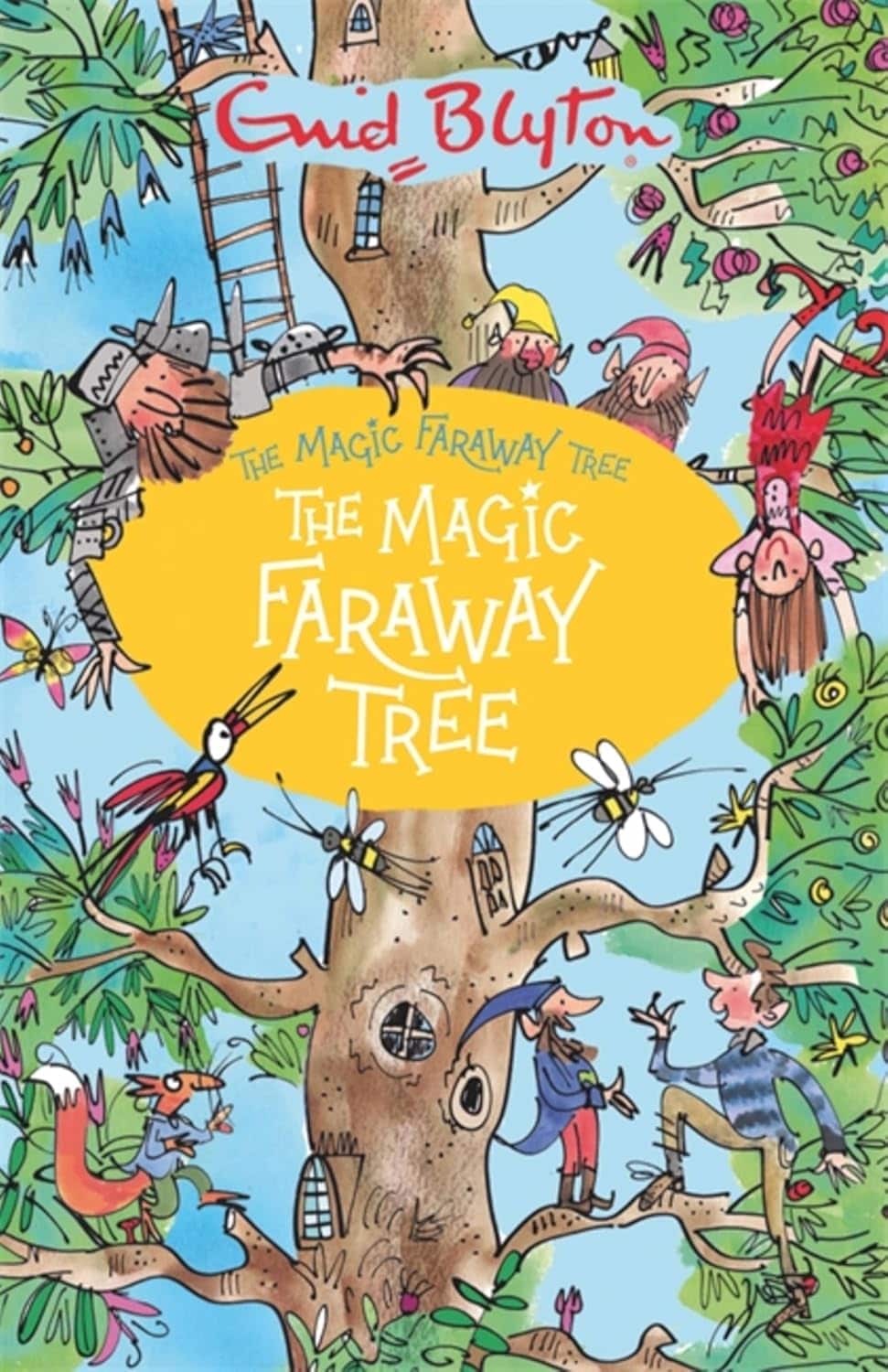
Screenplay writer Simon Farnaby adapts Enid Blyton’s book series The Faraway Tree, which includes titles The Enchanted Wood (1939), The Magic Faraway Tree (1943), The Folk of the Faraway Tree (1946) and Up the Faraway Tree (1951). Gregor turns what were essentially episodic adventures where children climbed the enchanted ‘Faraway Tree’ all the way to reach the clouds, into a feature film that critiques AI while making a case for why children must retain their sense of whimsy in a world mediated by screens and algorithms.
To the viewer, it might seem that Gregor’s anti-tech stance is overstated. In the film adaptation, what triggers the family’s move to the countryside is invasive consumer technology — a fridge (voiced by Judi Dench) that has a hidden camera secretly recording conversations as a part of corporate data harvesting. The mother, Polly (Claire Foy), is now a whistleblower. She exposes the misuse of tech and loses her job as a result. Her husband is Tim — played by an immensely likeable, adorably goofy Andrew Garlfield — a house husband who raises technology-addicted kids: Beth, Fran and Joe. In Gregor’s world, the villain is Big Tech. The equivalent for tech in Blyton’s The Faraway Tree series simply didn’t exist; the real-world antagonist was economic survival and WW2 era domestic realities that forced the family to move to the countryside.
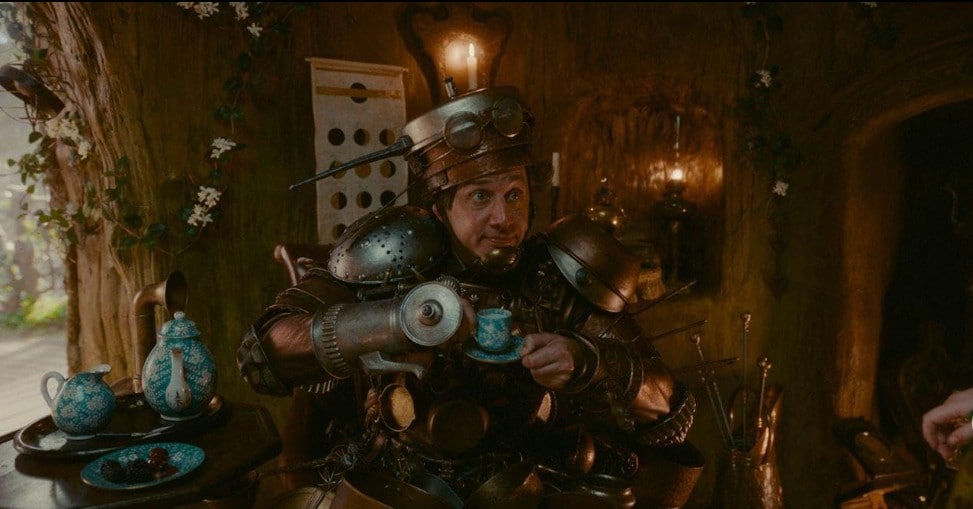
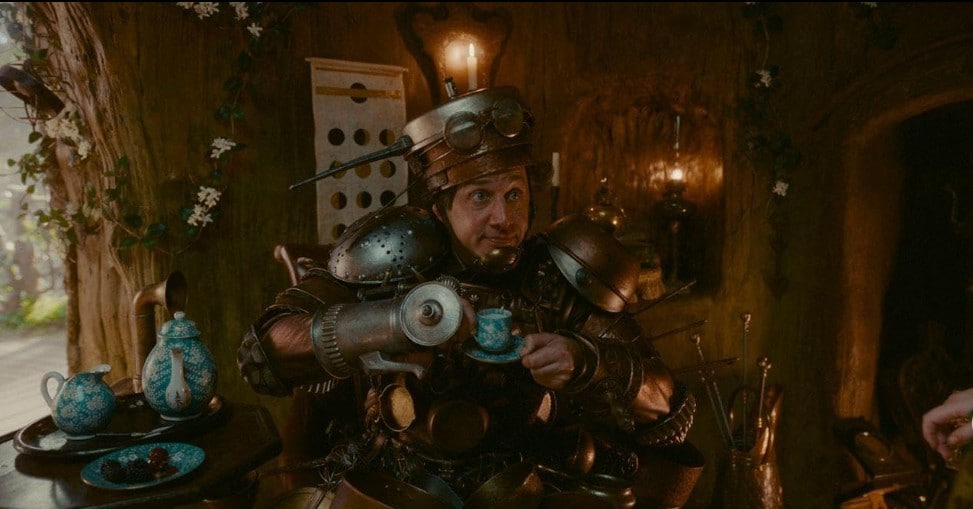
Gregor brilliantly conjures Blyton’s iconic characters: Moonface, the big-headed, anti-human giant, Silky, the warm-hearted, golden-haired fairy, Dame Washalot, the eccentric, water-dumping housekeeper, Saucepan Man, who is the hard-of-hearing and accidentally mischievous, and the Angry Pixie.
One of the most striking features of Blyton’s writing is that she treats wonder not as frivolous escapism but as something children need. At the centre of The Faraway Tree series is the belief that childhood is not merely a stage to be outgrown, but a precious capacity to wonder and to imagine that another world might exist just beyond the one we know. Every new land challenges the children to suspend ordinary rules and imagine another way of living. In these lands children encounter moral dilemmas and responsibilities. They are put in danger and tested.
This is where the differences between the film and the book become particularly revealing. In the film version, the children visit the Land of Birthdays and make a series of wishes, which they eventually come to regret. Fran wishes to change her voice; Joe wants to be a video game character while Silky wants to be ‘small and fairest of fairies’ — possibly as an attempt to earn Beth’s approval. Eventually, the children realise the very traits they wish to change about themselves were what made them special. As they try to reverse these wishes, they are met with a series of challenges.
In Blyton’s source text, the Land of Birthdays sequence plays out as a celebration of costumes; a magical birthday feast with a slight caution against greed. Gregor keeps the set-up of Blyton’s Land of Birthdays intact while intensifying the ‘be-careful-what-you-wish-for’ spin which underscores the importance of self-acceptance. As children climb trees, meet strangers and make mistakes, they must also deal with the consequences of landing in trouble.
It is worth noting here that Blyton encourages children to be curious but doesn’t omit the fact that curiosity is often accompanied by risk. Gregor explores this idea rather well in the film through this sequence. Another significant departure in the adaptation in the Land of Candies sequence. In Gregor’s Land of Candies, Fran is stuck in a marshmallow tree and is rescued by Silky, Saucepan Man and Moonface. It creates a theme of shared responsibility and mutual care. In Blyton’s Land of Goodies, this danger isn’t present — the land offers mostly carefree fun with an occasional gentle warning. Gregor amplifies this tension in the film and injects danger into it; turning whimsy into a moral test where kids must show courage and care for each other.
The film diverges significantly from Blyton by making the parents — Tim and Polly — the central characters. While Blyton’s books were primarily childhood fantasy, Gregor’s film is more about a family recovering their own capacity for wonder and professional crises. While magical lands in the text were opportunities of wonder, adventure and wish fulfilment, Gregor gives these lands explicit narrative stakes. Each one serves a specific purpose and a moral lesson in the film.
Gregor also foregrounds female solidarity and sisterhood, particularly in the way Beth encourages Silky to resist being defined by the expectations of others: “Silky, don’t let any of these boys boss you around”, Beth tells her. While these themes are present in Blyton’s text, they are understated and away from the foreground. A change that might shock the viewers: Dame Snap (played by an intimidating Rebecca Ferguson) is no longer allowed to hit her pupils (it is the 2020s, after all)! There’s a poignance to which the fairy folk admit: “They [the children] forget about us when they grow up”. It is revealed that Tim, the father, visited the Faraway Tree as a child — a departure from Blyton’s books that works superbly, for it urges adults to nurture their inner child.
A particularly striking difference between the book and the film is the use of humour. While Blyton’s humour arises primarily out of eccentric characters and absurd situations, Gregor uses a more contemporary form, including jokes rooted in adult anxieties and tech dystopia. Some of the undercurrents of Blyton’s books are inevitably flattened by the demands of a contemporary family adventure. The film is far more interested in the dangers of technology and the need for a digital detox than in the deeper, more elusive question of what wonder actually does for a child. Whether that works well as a thematic choice is up to the viewer to decide.
All in all, the greatest irony is that, in Blyton’s world, even our perpetually scrolling influencer might finally look up from their phone. Gregor’s film adaptation may trade some of Blyton’s subtlety for a more overtly contemporary warning about technology, but it retains her most enduring idea: that childhood needs room for wonder. And perhaps that is the magic of the Faraway Tree: it reminds us that wonder begins where the algorithm ends.
Deepansh Duggal writes on art and culture. Twitter: @Deepansh75.


