
 E-Paper



HT Picks; New Reads
On the reading list this week is a look at the experience of modern parenthood, a rich exploration of Himalayan culture, spirituality, ecology and ethnography, and a history of the Dalit Panther

 Prefer HTon Google


Musings on motherhood
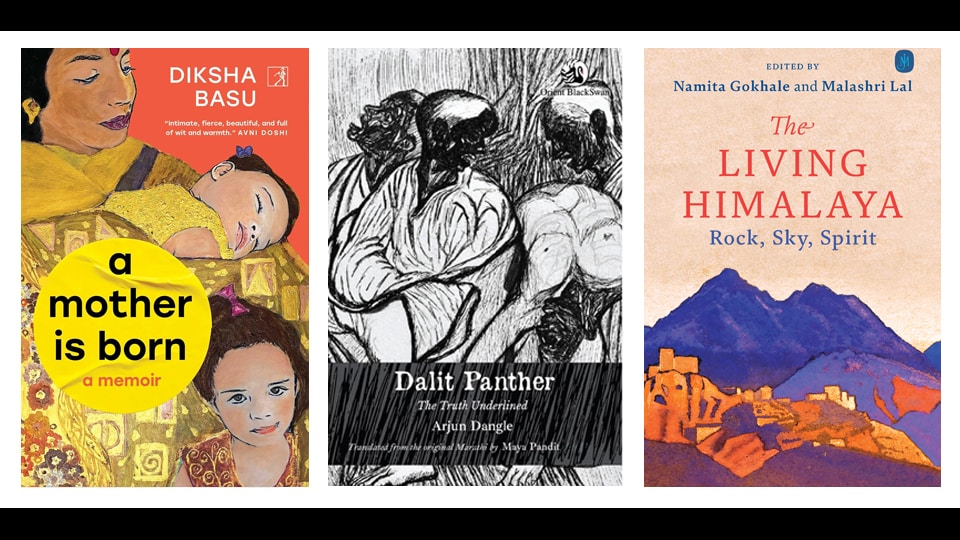
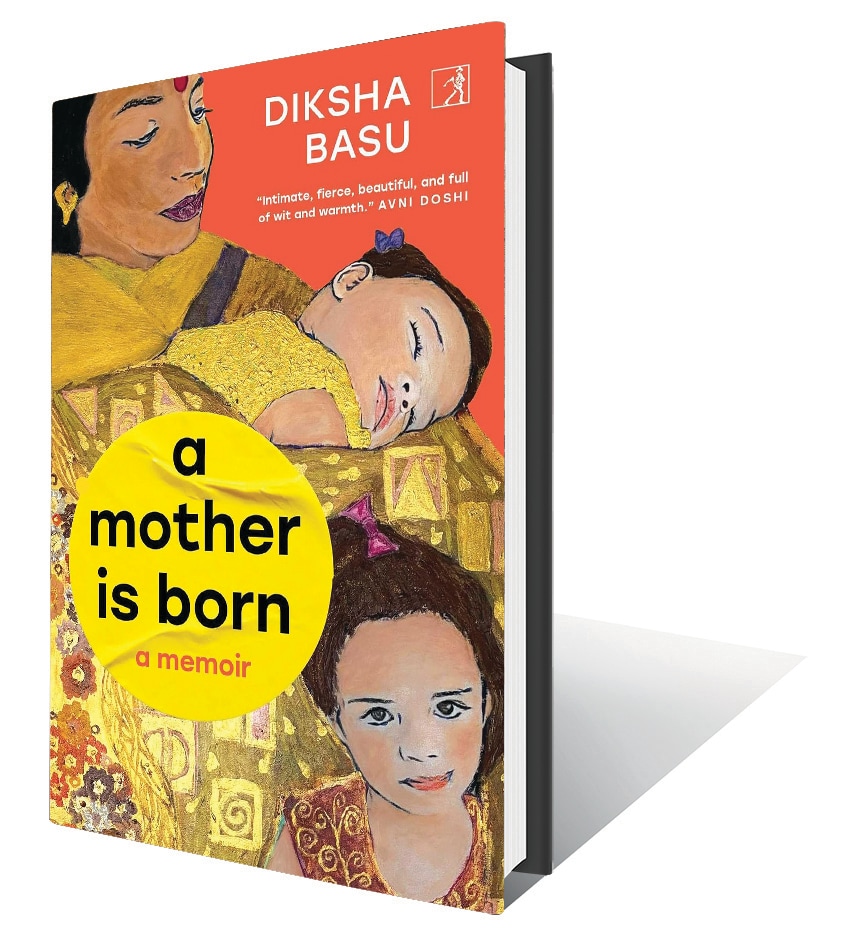
A funny, honest, and sometimes difficult look at the experience of modern parenthood. Basu writes candidly about having two half-Indian children under the age of two, watching as they grow to school age. With her usual lightness of touch, she tackles topics including her own struggles with post-partum depression and ongoing bouts of anxiety and panic, and about undoing and redoing generational habits. She tackles everything from how to throw out the massive amounts of art her kids produce to her tactic when it comes to sibling fights (they’re allowed to hit each other once a day, she tells her daughters, so they better really think it through and use that wisely. End result: they forget to hit each other.) Basu’s musings on motherhood will interest anyone who has ever been a parent, had a parent, been a child, or had a child.*
Journeying across the many worlds of Himalayan life
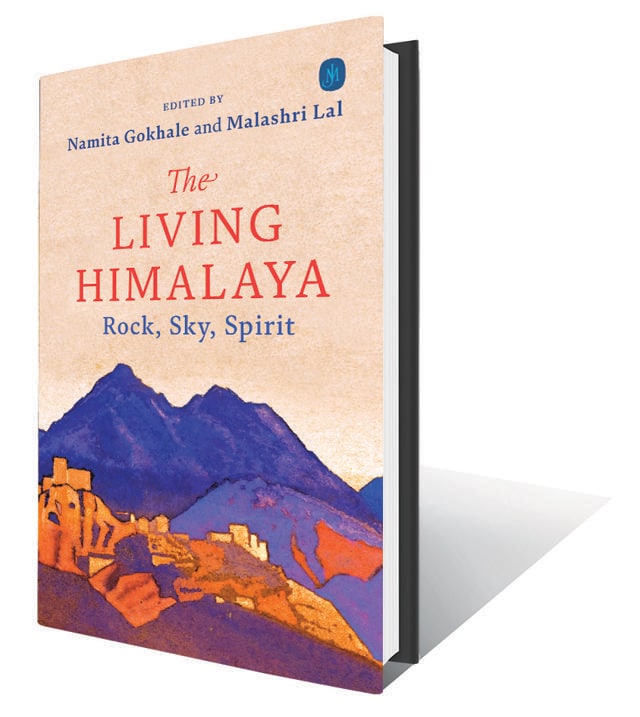
The Himalaya, the world’s tallest mountains, host a living civilization shaped by ancient beliefs, epic traditions, fragile ecosystems and diverse ethnicities that have made these regions their home.The Living Himalaya, co-written and co-edited by Namita Gokhale and Malashri Lal, is a richly textured exploration of Himalayan culture, spirituality, ecology and ethnography. Bringing together scholarship and research with the intimate voices of those who live, work and journey through these mountains, it reveals a landscape that is at once magnificent, complex and vibrantly alive.Through essays, stories, reflections and visual narratives, the book journeys across the many worlds of Himalayan life: epic texts and folk legends, music and food, gods and deities, rocks and rivers, environmental crises and human struggles. Among the many treasures of this book is a retelling of the legendary epic of King Gesar, poet Gulzar’s account of his journey through Chamba and Bharmour, Shekhar Pathak’s moving story of the women of Reni whose courage transformed the Chipko movement, and explorations of the ancient animistic faiths whose practices continue to resonate across the mountains.Nicholas Roerich’s mystical landscapes complete this immersive portrait of a region where nature, culture and the sacred remain inseparably intertwined.*
An insider’s account of a radical movement
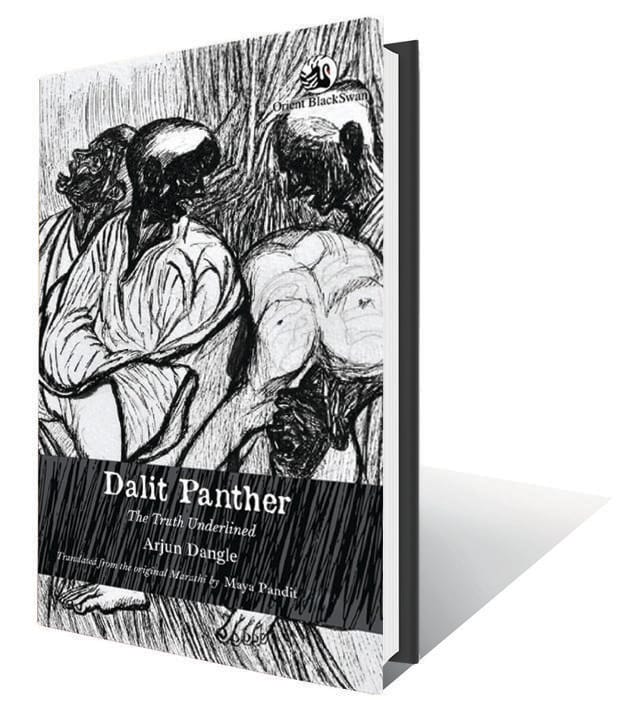
Formed in 1972 and inspired by the Black Panther movement, the Dalit Panther emerged as one of the most radical and influential movements in post-Ambedkarite India. A wave of brutal caste violence across Maharashtra in the 1970s had turned simmering resentment into mass fury — the Dalit Panther transformed this fury into a militant movement for dignity, justice and social change.Led by powerful writer-activists such as Namdev Dhasal, JV Pawar, Raja Dhale, Bhai Sangare, Avinash Mahatekar and Arjun Dangle, the Panther mounted a fierce challenge to the casteist political and literary establishment of Maharashtra, while sharing solidarity with the struggles of workers, women and farmers. In documenting this history, Dangle also revisits the enduring debate on the relationship between the Dalit movement and the Left, and between Ambedkarism and Marxism.Much of the history of the Dalit Panther has remained fragmented and partial, and largely unavailable in English. Dangle provides an insider’s account replete with detail, documents, analysis and insight. He illuminates the radical literary culture that shaped the movement — its poetry, journals, little magazines and debates — the influence of figures such as Dr Ambedkar and Baburao Bagul, and highlights Dalit literature as a powerful medium of protest and identity. He also candidly examines the tensions between leaders like Dhasal and Dhale that eventually fractured the organisation.
This is a compelling, honest, first-hand account of the extraordinary energies, idealism and contradictions that shaped the Dalit Panther’s brief but transformative journey, and Dangle’s own role in it. Maya Pandit’s scholarly, meticulously annotated translation brings an essential chapter of modern India to a wider readership for the first time. A vital read for scholars of Dalit Studies, Dalit literature, politics and social movements.*
*All copy from book flap.


