
 E-Paper



LIC’s gross bad loan ratio soars 200 bps
The government is likely to divest up to 10% stake in LIC to meet its divestment target and compensate for the widening fiscal deficit.


Life Insurance Corp. of India (LIC) disclosed weakening financials and a surge in bad loans, hit by high exposure to stressed sectors such as real estate, the growing inability of borrowers to repay loans and downgrades of certain investments amid the Covid-19 pandemic.
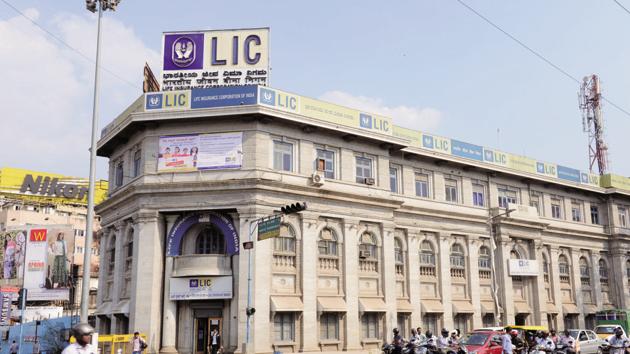
This may pose a challenge to the government’s plan to divest its stake in the insurer through a mega share sale.
The government is likely to divest up to 10% stake in LIC to meet its divestment target and compensate for the widening fiscal deficit.
According to the latest data issued by LIC, the state-run insurer’s gross non-performing asset (NPA) ratio in its debt portfolio jumped to 8.17% at the end of March 2020 from 6.15% in fiscal 2019. On a net basis, the NPA ratio has risen to 0.79% during fiscal 2020, from 0.27% during fiscal 2019.
LIC’s balance sheet grew to ₹31.24 lakh crore at the end of fiscal 2020 from ₹30.56 lakh crore in March 2019. A closer look at the latest financials showed LIC’s total real estate exposure plus loans as a percentage of cash and invested assets rose to 4.22% in FY20 from 4.09% a year earlier.


