
 E-Paper



Price hike from Jan may stall auto sales
Maruti Suzuki India Ltd, Hero MotoCorp Ltd, Honda Motor Co. and Mahindra and Mahindra Ltd (M&M) have announced that they would increase vehicle prices from January citing the need to offset rising commodity prices and other input costs.


Plans by automobile companies to raise vehicle prices from January could upset the demand recovery set in motion after the coronavirus lockdown curbs were lifted, four automobile industry executives said.
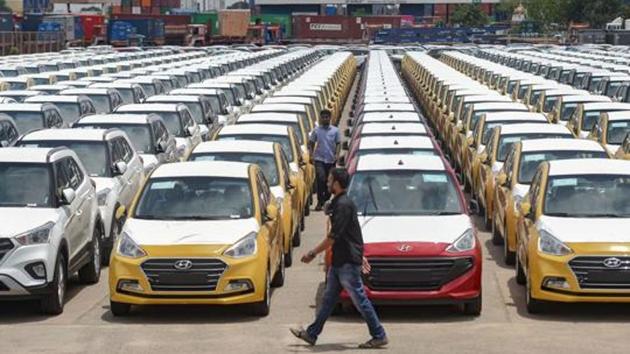
Maruti Suzuki India Ltd, Hero MotoCorp Ltd, Honda Motor Co. and Mahindra and Mahindra Ltd (M&M) have announced that they would increase vehicle prices from January citing the need to offset rising commodity prices and other input costs.
Others such as Bajaj Auto Ltd and Royal Enfield have recently raised prices.
“While low discounts post-Diwali this year suggest a mix of lower inventory and sustained demand momentum in the market, price hikes can certainly deter customers from walking into the showrooms. That said, the market has been down for over two years, and this fiscal has been the toughest for the industry ever,” one of the executives cited above said, requesting anonymity.
Passenger cars, commercial vehicles as well as two-wheelers have seen a sharp price hike of as much as 15% as the industry transitioned to the stricter Bharat Stage VI (BS VI) emission norms, which came into effect for all vehicle categories from 1 April 2020. Automakers began rolling out BS VI-compliant vehicles last fiscal, and Maruti Suzuki was among the first to introduce BS VI-compliant versions of its high-selling models last year.
“While we say that a price hike would lead to lower demand, we must understand that input costs have gone up substantially. For example, the cost of making engine systems under BS VI regime has risen sharply as it now requires catalytic converters, which use much higher volumes of precious metals such as palladium and rhodium. Part of that price hike could not be passed on to the customers last year,” said Shashank Srivastava, executive director in charge of marketing and sales at Maruti Suzuki.
According to Bloomberg, while metal prices are up 31% since July 1, copper, lead, aluminium, zinc and crude prices have risen 32%, 16%, 28%, 40% and 24%, respectively, during the same period.
“Prices of raw materials involving metals, plastics and others are up enormously. Rhodium, for example, used to be at $2,000; it is now at $16,000. Since this year, the input costs are up sharply. The price hike has to happen. Higher costs cannot be held back. However, we have to maintain a balance between customer expectations and business prudence,” Srivastava said.


