E-Paper



Assam’s Kaziranga National Park sees early arrival of migratory birds. Watch
From green pigeons, great white and elusive dalmatian pelican, black-necked crane, to oriental pied hornbills, bar-headed goose, great headed canary among many others, the park is home to both resident and migratory birds.


Assam's Kaziranga National Park witnessed a literal "early bird" moment with thousands of migratory birds arriving early this year in one of the richest biodiversity hotspots of the country. The nationally protected park, which has recently started opening for tourists in a phased manner, has a record of over 500 species of birds in its vicinity.
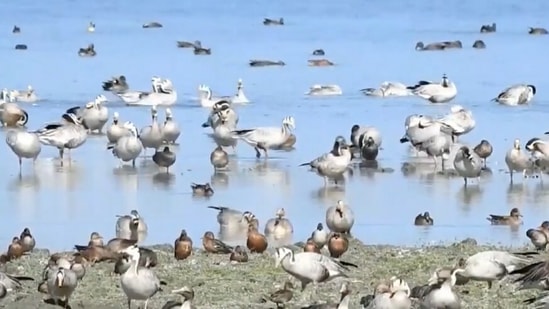
"Last year, migratory birds came here in November, but this year, several species of birds have already started coming. We've seen these migratory birds at Burapahar, Bagori and Agoratoli areas in the national park," Rabindra Sharma, Research Officer, Kaziranga National Park, was quoted as saying by news agency ANI.
From green pigeons, great white and elusive dalmatian pelican, black-necked crane, to oriental pied hornbills, bar-headed goose, cotton–pygmy goose among many others, the park is home to both resident and migratory birds. Experts say that the overlap of Indomalayan zoo-geographic conditions provide for such a huge population of birds in the region including 25 globally threatened and 21 near-threatened species.
Also Read | Rhino hit by truck in Kaziranga, Assam CM says ‘will not allow any…’ | Video
Most of the migratory guests - majorly seen during winters - include red- throated flycatcher, great headed canary among others. Summer migrants during April and May include mesmerising sight of cinnamon bitterns, pond herons, and lesser adjutant storks. This UNESCO world heritage site has a great combination of grasslands, wetlands and woodlands. Its wetlands make it a suitable host for several migratory ducks between November and February.
The park’s 430 square km sprawling area is also home to Indian one-horned rhinoceros, elephants, wild water buffalo, and swamp deer among hundreds of other species of fauna and is also a declared tiger reserve since 2006. One of the most sought wildlife destinations, the park remains closed between May and October due to fear of Brahmaputra river flooding on account of heavy rainfall in the region.