
 E-Paper



Karnataka Assembly passes bill for women to work night shifts at factories
The Karnataka Legislative Assembly on Wednesday passed a Bill, amending the Factories Act, to allow women to work night shifts at factories. It also allows employees who put in 12 hours a day for four consecutive days to take off for three days in a week.

 Prefer HTon Google


The Karnataka Legislative Assembly on Wednesday passed a Bill, amending the Factories Act, to allow women to work night shifts at factories. It also allows employees who put in 12 hours a day for four consecutive days to take off for three days in a week. The Factories (Karnataka Amendment) Bill, was passed without any debate in the Assembly.
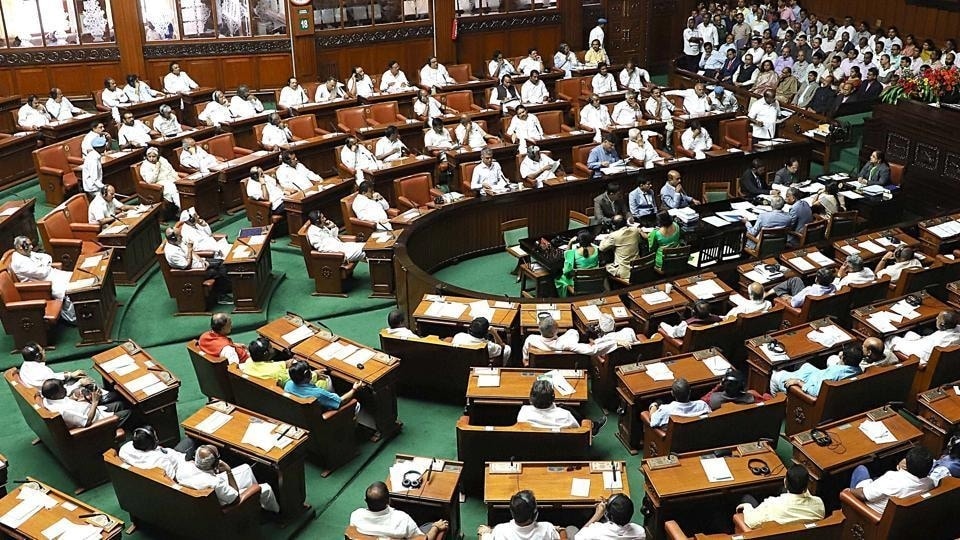
"There were limitations on work hours for women, and there was pressure on the government, including from the software industry, to relax this," Law & Parliamentary Affairs Minister J C Madhuswamy said. Even the High Court had given a direction that equal opportunity must be provided to all under Article 14 of the Constitution, he said.
READ | Amit Shah in Bengaluru today; Avoid these roads
The government in 2020 had allowed women to work in night shifts at hotels, restaurants, cafes, theatres and other such shops and establishments. According to the Bill, it further allows the government to increase daily work hours to 12 from 9, but not exceeding 48 hours a week. This will create more economic activities and employment opportunities, it said.
"We are increasing working hours to 12 hours per day. Those who work for 12 hours a day consecutively for four days, not exceeding 48 hours, can take off for three days," the Minister said. As per the Bill, women can work between 7 pm and 6 am, but it is subject to a list of safety measures that are required to be put in place by employers. It shall be the duty of the employer or other responsible persons at the work places to prevent or deter the commission of acts of sexual harassment, it said.
READ | Karnataka: PM Modi to inaugurate Shivamogga airport on February 27
It also requires the employers to provide transport facilities to women workers from residence and back during night shifts, and prescribes for transport vehicles to be equipped with CCTV and GPS. The Bill which will now go to the Legislative Council for passage, further states that employers have to make sure there are appropriate working conditions for women and no employee should have reasonable grounds to believe that she is disadvantaged in connection with her employment.
Women workers must be employed in a batch of not less than 10, factories should have proper lighting and CCTV coverage whose footage should be stored for not less than 45 days, are among the measures mentioned in the Bill. The Bill also allows the government to fix work hours for overtime duty during which employees have to be paid wages at the rate of twice the ordinary rate of wages.


