
 E-Paper



‘Most of the narcotic drugs are shipped in Pakistan’: Amit Shah in Bengaluru
Union Home Minister Amit Shah said on Friday security in the ocean needs to be strengthened as most of the narcotic drugs are shipped in Pakistan and go via Iran to Sri Lanka and Africa.

 Prefer HTon Google


Union Home Minister Amit Shah said on Friday security in the ocean needs to be strengthened as most of the narcotic drugs are shipped in Pakistan and go via Iran to Sri Lanka and Africa.
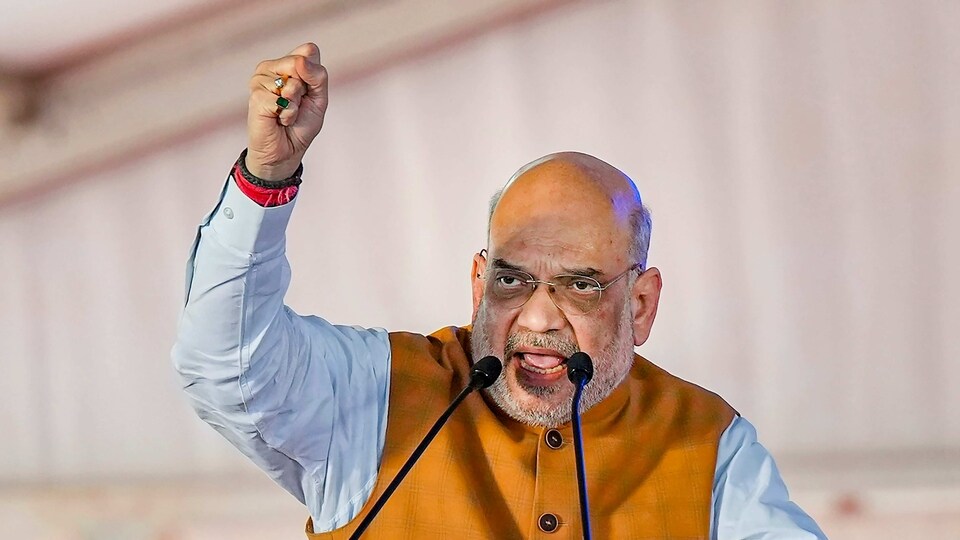
He said drug control is not just the Centre's fight but of the states, societies and citizens. "At least 60-70 per cent of drug smuggling happens through the sea route," he said addressing the regional conference on 'Drug Trafficking and National Security' for southern States and Union Territories. "We need to have a top-to-bottom and bottom-to-top approach sparing none who are involved in drug trafficking", the Minister said.
He said there was a need to investigate the chain of networks down below when a big fry was caught. "When we catch a big fry, we need to investigate the entire chain of networks down below. When we catch a drug addict, we need to investigate those who supplied them", he added. "If drug addiction is not controlled, it will become an incurable ulcer in the body".
READ | Bengaluru: Amit Shah insists on receiving bouquet from Yediyurappa's son
"We have set a goal of a drug-free India. We have the target of (becoming) a developed nation by 2047 and a five trillion (USD) economy in 2025. Drug-free society is the foundation to achieve these goals. All the governments should join hands. We have to make the eradication of drug menace a people's fight," Shah said.
All the government departments such as revenue, social welfare, education and culture should join hands with the health department in the drive against drugs, he said, adding that drug detection, network destruction, culprit detention and addict rehabilitation are the four pillars of the fight against narcotics.
"I am sorry to say that the detention of culprits is taken very lightly. We are not being stern against them. We should not take drug cases in isolation. We have to deal with it sensitively. You have to fight collectively through detection of drugs, destruction of networks, detention of culprits and rehabilitation of those addicted," the Minister said.
There are strong provisions in the NDPS (Narcotic Drugs and Psychotropic Substances) Act but we are not implementing them effectively, according to him. "Please review it and find out how many properties of drug dealers have been confiscated, and how many of them have been jailed using these laws", he said.


