
 E-Paper



₹1,500-cr canal water project to ease Ludhiana’s drinking water crisis
The initiative aims to treat raw canal water to potable standards, thereby significantly reducing the city’s heavy dependence on depleting groundwater resources

 Prefer HTon Google


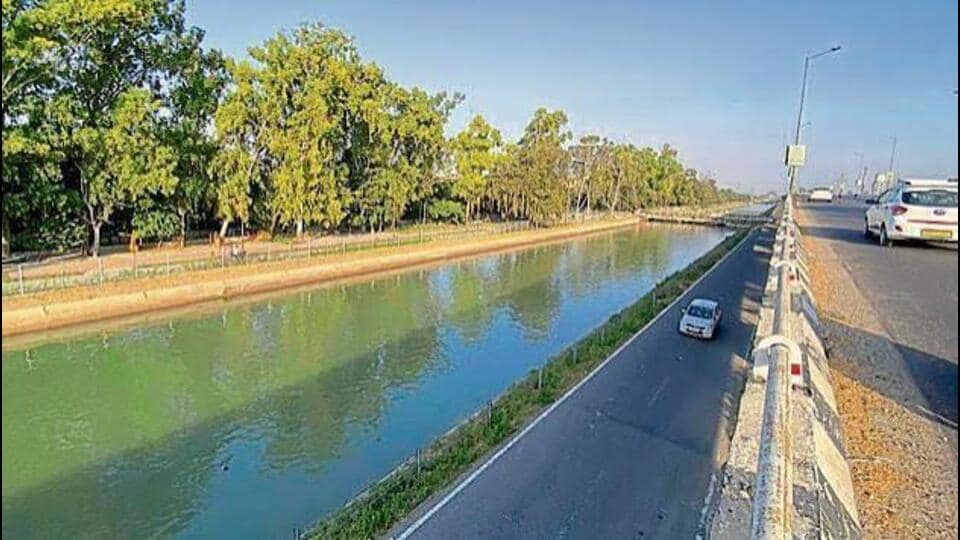
A major shift from groundwater to treated canal water for Ludhiana’s drinking-water needs is set to take shape through a ₹1,500-crore bulk water supply project designed to provide 58 crore litres of clean drinking water daily upon completion.
The initiative was discussed during an expert lecture organised by the college of agricultural engineering and technology at Punjab Agricultural University (PAU). Jaspreet Singh, a communication specialist with the project implementation unit of the municipal corporation and an alumnus of the college, briefed students on the scale, infrastructure, and implementation framework of the massive undertaking.
Supported by the World Bank and the Asian Infrastructure Investment Bank, the project involves funding of around ₹1,500 crore for the municipal corporation Ludhiana. The initiative aims to treat raw canal water to potable standards, thereby significantly reducing the city’s heavy dependence on depleting groundwater resources.
Currently under development, the project involves constructing extensive water infrastructure, including a dedicated water treatment plant, 70 water storage tanks, and approximately 166 km of distribution pipelines. Officials stated that the large-scale network is scheduled for completion by March 2028.
Once commissioned, the system is envisaged to supply 58 crore litres of treated drinking water every day, strengthening urban civic infrastructure and providing a sustainable municipal supply.
Manjeet Singh, dean of the college of agricultural engineering and technology, appreciated the project for addressing the fundamental need for safe drinking water. Meanwhile, Naresh Chhuneja, chairman of academic affairs, highlighted the broader professional scope for agricultural engineers in executing large-scale civic projects beyond conventional farming domains.


