E-Paper



Haryana allows procurement beyond paddy yield limits after verification
The director of agriculture and farmers welfare department, directed all deputy commissioners (DCs) in the state to ensure that paddy produce exceeding the prescribed yield limits is procured

 Prefer HTon Google


Strap: BKU (Charuni) raises questions over verification process; seeks 10% relaxation in current procurement limits with a simpler process
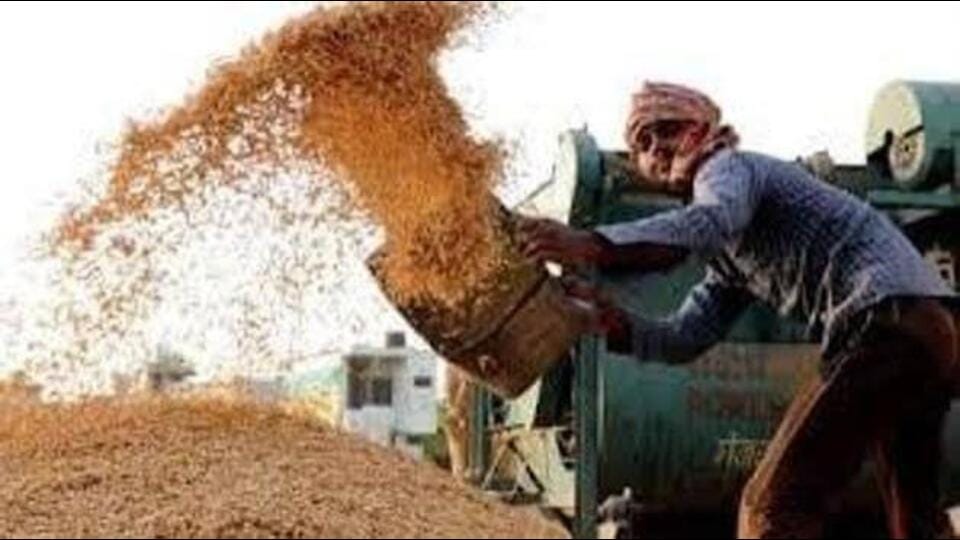
The Haryana government has directed district authorities to ensure procurement of paddy beyond the prescribed yield limits during the Kharif Marketing Season (KMS) 2026-27 after due verification, following repeated protests by farmers who alleged that the restrictions were preventing them from selling their entire produce at the minimum support price (MSP).
The director of agriculture and farmers welfare department, directed all deputy commissioners (DCs) in the state to ensure that paddy produce exceeding the prescribed yield limits is procured after due verification, so that farmers do not face any difficulties.
According to the letter, the department noted that district-wise paddy yield limits for the current marketing season had been fixed earlier on the basis of the average yield of the preceding three years.
Representations subsequently received from farmers pointed out that actual yields in several cases were substantially higher than the prescribed limits. After considering the concerns, the government has clarified the procedure for handling such cases.
Farmers whose actual paddy yield exceeds the prescribed limit may submit a written request to the concerned secretary of State Agriculture Marketing Board. The secretary is to forward the claim to the concerned revenue authorities or the agriculture department for verification and verification is to be carried out on the basis of the farmer’s previous production and sale records, wherever available, reads the letters.
Thus the claim for higher yield to be verified by the revenue authorities or the agriculture department within 48 hours. Once the higher-yield claim is verified by either authority, the additional quantity of paddy will also be procured, it added.
However, farmer leaders have raised questions over the procedure as the Bharatiya Kisan Union (Charuni) has written to the director, agriculture seeking immediate relief for farmers facing difficulties in selling paddy on MSP.
The BKU (Charuni) president Gurnam Singh Charuni objects to the use of past three years’ average yields as the basis for current procurement limits and demands a 10% relaxation along with a simpler process for purchasing surplus produce. The union argued that basing procurement limits on the previous three years’ average yields was unfair, as adverse weather and excessive rainfall had affected production in earlier seasons, with crop damage verifiable on the e-compensation portal.
Favourable weather during the current Kharif season boosted yields, but farmers were struggling to sell their entire produce due to the limits and cumbersome verification formalities, he said.
A senior agriculture department officer, speaking on condition of anonymity, said additional procurement was allowed after physical verification of farmers registered on the Meri Fasal Mera Byora portal was completed and thousands of acres registered under Parmal paddy were found to be sown with Basmati varieties were removed from the records, ensuring genuine farmers did not face difficulties. “With the corrections in the registration now, the state government could procure the entire produce of the farmers under the 59 lakh MT allocation of the Food Corporation of India”, said the official.