
 E-Paper



More farmers shifting to mustard cultivation in Haryana
Eyeing a rich harvest in the next rabi season and amid skyrocketing prices of edible oils, more and more farmers from the wheat-growing belts of Haryana are shifting towards mustard cultivation


Eyeing a rich harvest in the next rabi season and amid skyrocketing prices of edible oils, more and more farmers from the wheat-growing belts of Haryana are shifting towards mustard cultivation.
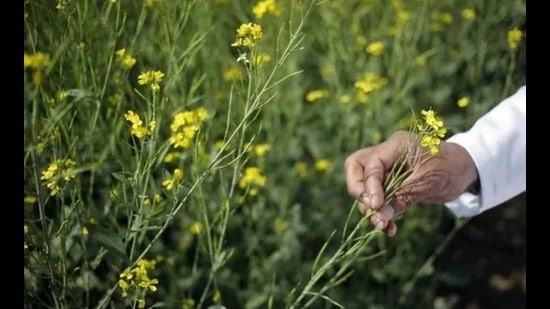
Mustard was earlier considered a main crop in non-irrigated southern parts of Haryana but as per reports, sowing of mustard is now on the rise in the northern parts as well.
With the mustard prices reaching above ₹7,000 per quintal in the open market last year against the MSP of ₹4,650 per quintal, farmers are considering mustard a better option as compared to wheat. They said mustard requires lower input cost than wheat and has become more remunerative due to sudden rise in edible oil prices.
“Last year, I had earned ₹50,000 from just one acre of mustard. This year I have sown the crop on five acres,” said farmer Jasvinder Singh, of Ladwa in Kuruksehtra district.
Another farmer Ishwar Singh, of Karnal’s Indri block, who has sown mustard on six acres, said it is the best option for inter-cropping with sugarcane as it takes just three to four months for harvesting.
Additional chief secretary (agriculture and farmers’ welfare department of Haryana) Sumita Misra believes besides last year’s price trends and higher MSP of mustard, the state government’s efforts for crop diversification have also pushed more farmers to go for mustard cultivation.
Crop diversification
Agriculture experts, on the other hand, do not term it crop diversification as they believe the government wants to increase area under oilseeds and has given a push to its cultivation by increasing the MSP.
They said MSP of mustard has witnessed over 31% hike in the past five years and has further been increased to ₹5,050 per quintal for the next rabi harvesting season from ₹4,000 of 2017-18.
“Farmers are not sowing mustard for diversification. The good price of mustard is a major factor behind them shifting to oilseed farming. Farmers are ready to shift to other crops if there is an assured monetary benefit,” said agriculture economist Devinder Sharma.
He said the increase in mustard acreage will bring down the prices of edible oils but if the government increases import of edible oils and cuts duty on import, that will also affect the prices of mustard.
On whether the government will be able to procure the entire produce of the farmers if the area under mustard increases further, Haryana agriculture department director general Hardeep Singh said, “The government will procure mustard to ensure stability of prices even if the market prices in the open market come down. The government will support the farmers with the MSP.”
Mustard sown on 4.73 hectare by Oct 28
Figures of the state agriculture department revealed a considerable increase in the area under mustard cultivation in Haryana. It has increased to around 6.10 lakh hectare in 2020-21 from 5.62 lakh hectare in 2019-20.
“Till October 28, mustard has already been sown on around 4.73 hectare land and there is a strong possibility that it may reach around 8 lakh hectare this year against the set estimate of 6.50 lakh hectare,” said a senior official of the state agriculture department.
In 2019, the Haryana government had procured around 5.19 lakh tone mustard from farmers who had registered themselves on the ‘Meri Fasal, Mera Byora’ portal. In 2020, the government had procured only 4.53 lakh tone mustard seed on MSP.
But the sudden increase in mustard acreage may create a problem as government agencies will not be able to procure the entire produce.


