
 E-Paper



PPCB nails 15 Ludhiana steel units for violations
CETP operator also in the dock for lifting effluent from HCL consuming units without having methodology to treat it

 Prefer HTon Google


The Punjab Pollution Control Board (PPCB) has found glaring anomalies in the working of 15 of the 24 units dealing with electroplating, surface finishing and pickling of raw material in Ludhiana.
The role of the common effluent treatment plant (CETP), which is operated by a private company, JBR Technologies, is also questionable as per the PPCB report for lifting effluent from hydrochloric acid (HCL) consuming units without having the requisite methodology to treat the same.
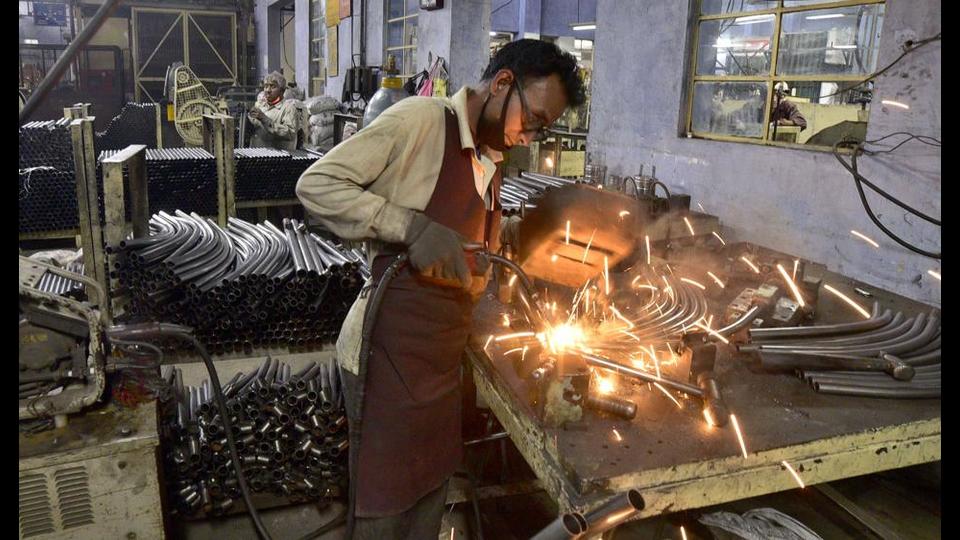
The 15 firms, engaged in wire drawing process, are in the dock regarding the use of HCL for the pickling process and further lifting of the spent acid to re-processors, which have no methodology to treat the spent effluent generated from the use of HCL.
Principal secretary, science, technology and environment, Punjab, Anurag Verma said these industries have entered agreements for lifting of effluent with M/S JBR Technologies, Kohara Macchiwara Road, Ludhiana, which is a spent sulphuric acid processing unit (common effluent treatment plant).
Verma added that after complaints, scientific and technical teams of the PPCB collected samples from the pickling tanks installed by the industries. Of the 24 units inspected, 12 were found using HCL in the pickling process, nine units were found to be H2SO4 consuming and three units were consuming both HCL as well as H2SO4 for the acid pickling process.
Firms found using HCL against the norms were identified as Abhay Steel Pvt Limited, Vishnu Wires, United Marathan Engineers, Aggarson Fasteners, Ashish International, Kiscon industries, BD wires and allied industries, Ravindera Alloys Industries, Bansal Industries, Sond Impex, Vallabh Steel and Ganpati Fasteners, Sua Road.
“An inquiry was also initiated regarding the supply of HCL in Ludhiana from stockists. The investigation of the industries, which are the bulk consumers, is underway,” said Verma.
The inquiry revealed that sulphuric acid is used for better quality, but the process is time consuming and comes at higher costs. As small and marginal industries are always cost conscious, they tend to use HCL instead of sulphuric acid.
The common effluent treatment plant that is managed by Ludhiana Effluent Treatment Society (LETS) and operated by a private company, JBR Technologies Pvt Ltd, is also in the dock as the PPCB report states that it is not technically as well as legally appropriate for the pant to lift the effluent from the HCL consuming units as the methodology adopted by it is not effective for the effluent generated from the HCL consuming pickling units.
Another spent HCL-based reprocessing unit, Rajchem Global Technologies Pvt Ltd, at Dheri village on Rahon Bajra Road, Ludhiana, has started its operation without obtaining consent to operate (under Water Act, 1974, and Air Act, 1981) and without installing adequate pollution control devices.
Further, the report reveals that the unit is lifting HCL-based spent liquor illegally from unknown locations and is not maintaining any record of the operation of the plant.
This reprocessing unit (Rajchem Global) has consumed around 28,458 power units from January 2020 to May 2021 generating an electricity bill of ₹11.2 lakh, thus proving it is still in operation illegally, states the report.
Verma said strict action will be taken against the defaulters and also the CETP operator for not following the norms.
The report also stated that there are 23 big electroplating/surface coating/pickling units, which are getting more than 1 lakh litres per month of effluent lifted to the CETP operator. As such, there is a need to issue directions to these units to install captive effluent treatment plants rather than getting their effluent lifted to CETP operator.


