
 E-Paper



Punjab civic polls: High court refuses to entertain Bajwa’s PIL, imposes ₹25k fine
During the hearing, Bajwa’s lawyer had sought registration of an FIR against the AAP MLA and further directions to the state election commission (SEC) to deploy adequate police force and independent observers at all sensitive polling booths

 Prefer HTon Google


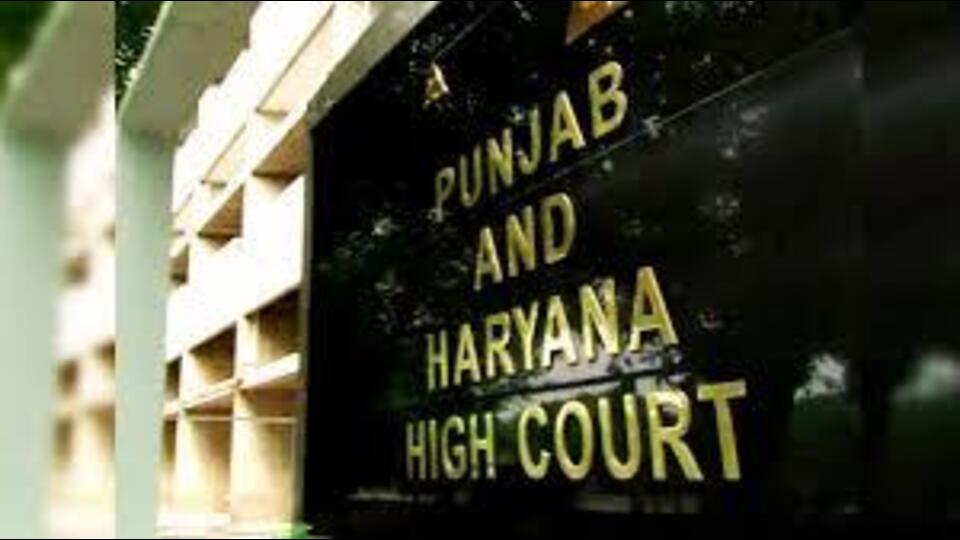
The Punjab and Haryana high court on Monday refused to entertain a public interest litigation (PIL) filed by the leader of opposition, Partap Singh Bajwa, and allowed withdrawal of the plea with a fine of ₹25,000. The detailed order is awaited.
The plea alleged that Aam Aadmi Party (AAP) MLA Kulwant Singh, while addressing a gathering, had said that “if there is any shortfall in votes, then they will lock the doors and do the required work.”
The Congress leader claimed that the statement posed a direct threat to free and fair elections, alleging that the leader was instigating the workers to indulge in “booth capturing, locking polling stations and manipulating votes” to secure victory in the May 26 civic body polls.
During the hearing, Bajwa’s lawyer had sought registration of an FIR against the AAP MLA and further directions to the state election commission (SEC) to deploy adequate police force and independent observers at all sensitive polling booths.
It was also demanded that the SEC arrange for a live telecast of voting and keep a record of the voting and counting process to ensure transparency.
As the hearing began, the Punjab government counsel told the court that Bajwa’s petition was not maintainable as he had not disclosed “material facts” about a criminal case registered against him, which is mandatory in PIL cases.
When confronted by the court, Bajwa’s counsel admitted the omission but argued that it was unintentional. He further submitted that the petition was filed in the larger public interest and did not involve the petitioner’s personal cause; hence, the information was not mentioned.
The court did not agree with the arguments and was about to dismiss the PIL, but after much persuasion by Bajwa’s counsel, allowed the withdrawal of the plea but imposed a fine of ₹25,000.


