
 E-Paper



Festive hosting is becoming more intentional: Why Indians are spending more on tableware, serveware and homeware
Festive hosting is a long-standing tradition, but consumers are now investing more in tableware, serveware and homeware to elevate the experience.

 Prefer HTon Google


Festive celebrations in Indian homes are increasingly moving beyond traditional decorations, with consumers paying greater attention to how they host, serve, and present food to guests. From coordinated dinnerware and glassware to serveware and cookware, homeware is becoming an important part of the festive hosting experience. According to Shobhit Singh, Managing Director & Chief Executive Officer, The Stone Sapphire India Pvt. Ltd. (SSIPL), festive hosting has become more considered, aesthetic and personal in recent years. Consumers are not only looking at how their homes are decorated but also at how the dining table and overall hosting experience come together.
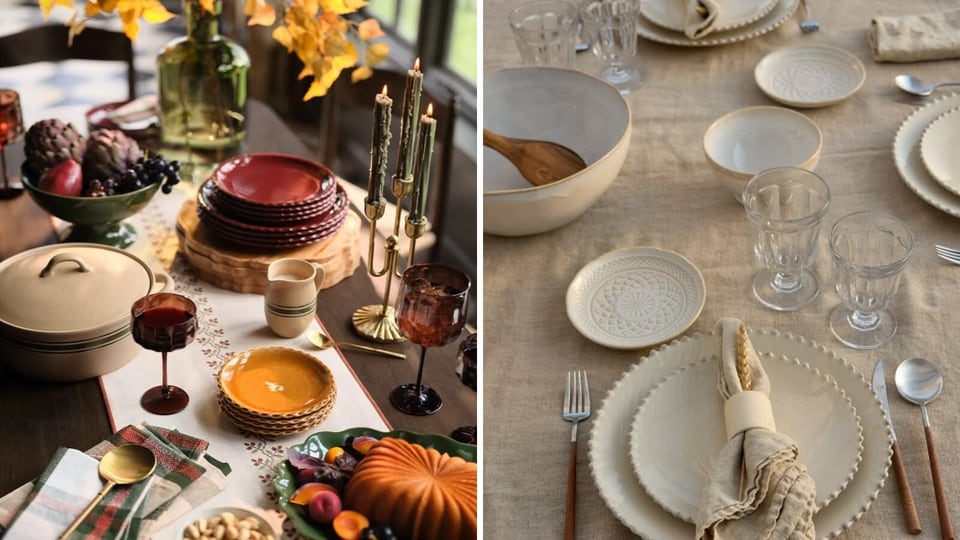

The dining table is becoming a key part of festive decor
While festive home makeovers have traditionally focused on lights, flowers, cushions, wall decor and other decorative elements, the dining table is emerging as an equally important part of the celebration. With families hosting relatives and friends at home, the table becomes one of the most visible parts of the festive experience. Dinnerware, glassware, serving platters and cookware can therefore influence not only how food is served but also how the entire setting looks.
Singh says consumers are increasingly investing in products that combine functionality with a more premium appearance. “Hosting at home is becoming an occasion in itself,” he says, pointing to changing lifestyles and the growing interest in home entertaining as some of the factors behind this shift. This also means that consumers are becoming more selective about what they add to their homeware collections. Rather than purchasing something purely because it looks festive, they are considering whether the product can also be used for regular meals, dinner parties or everyday entertaining.
Consumers are looking for homeware that works beyond the festive season
One of the most significant shifts in festive shopping is the increasing emphasis on value. While products may be bought for Diwali, family gatherings, or other festive occasions, consumers now seek items that will remain useful and relevant in their homes all year round. This trend is especially evident in categories such as dinnerware, glassware, serveware, and cookware. For example, a dinner set with a sophisticated design can elevate festive meals and also be enjoyed during everyday dinners. Likewise, stylish serving bowls and platters can seamlessly transition from special celebrations to regular serving.
According to Singh, products that offer a premium look while remaining versatile enough for everyday use are likely to find stronger relevance among consumers. This shift is also changing the way brands approach festive collections. Instead of creating products that are purely seasonal, there is an opportunity to offer designs that feel special enough for celebrations but versatile enough for everyday living.
Coordinated table settings are gaining popularity
Consumers are also becoming more intentional about how individual homeware pieces work together. Instead of buying dinner plates, glasses, serving bowls and cutlery separately, shoppers are increasingly thinking of the dining table as one complete setting. Colours, patterns, materials and shapes are considered together to create a more cohesive look. “Consumers increasingly look at the table as one complete setting rather than buying individual products in isolation,” says Singh. This does not necessarily mean that every item needs to be from the same collection. Mixing and matching can allow consumers to introduce different textures, colours and patterns while maintaining a considered look. For brands, this creates an opportunity to offer coordinated collections that help consumers create a complete table setting without sacrificing the flexibility to experiment.
Social media is changing how people discover homeware
The growing visibility of home interiors, recipes, and hosting ideas on social media is another factor shaping festive shopping. A beautifully styled dining table, a festive recipe, or a hosting setup can now reach consumers through Instagram, Pinterest, YouTube, and other visual platforms. These images and videos can influence how consumers want their own homes to look during celebrations. Singh says social media has made home and table presentations more visible and aspirational. Consumers may see a particular table setting online and look for ways to recreate a similar experience at home.
As a result, functionality is no longer the only consideration when shopping for homeware. Design, colour, detailing, and how a product fits into a larger setting are also becoming important. This is particularly relevant during the festive season, when consumers are more open to experimenting with colours, patterns and presentation.
Dinnerware, glassware and serveware could see stronger festive demand
The festive season is expected to bring demand across several homeware categories, including dinnerware, glassware, serveware, cookware and gifting. The common thread across these categories is versatility. Consumers are increasingly looking for products that can fulfil a festive requirement while continuing to be useful after the celebrations are over. This could benefit products that offer an elevated appearance without being excessively occasion-specific. A well-designed serving platter, for example, can be used for festive meals but can also become a regular entertaining essential. The same applies to glassware and dinnerware, where design can add a sense of occasion while functionality and durability ensure continued use.
The rise of accessible premiumisation
Another emerging trend is the demand for premium-looking homeware at accessible price points. Consumers may want their festive table to look more polished, but that does not necessarily mean they are willing to spend heavily on every component. Instead, they are evaluating what they are getting for the price, including quality, durability, design and versatility. “Consumers want products that look premium, but they are also becoming sharper about value,” says Singh. This is creating space for what he describes as accessible premiumisation, which are the products that bring better design, presentation and quality without becoming inaccessible to a wider consumer base.
Personalisation is becoming part of festive home styling
Festivals are the perfect opportunity to reflect your personal style in home decor. While traditional festive home decor continues to have an occasion, consumers are increasingly experimenting with different combinations of colours, patterns, textures and tableware. Some may prefer a classic setting with traditional-inspired details, while others may opt for contemporary shapes and muted tones. According to Singh, design and personalisation have become significant purchase drivers, although functionality remains fundamental.
What this means for India's organised homeware market
The growing focus on festive hosting at Indian festivals could create a larger opportunity for an organised homeware market, as the occasion brings together several forms of consumption: home improvement, entertaining, gifting and personal purchases. Singh believes festive hosting can become an increasingly important consumption occasion for the organised homeware sector. “For us, the larger opportunity is to help consumers move beyond buying individual products towards creating complete hosting experiences,” he says.
This could encourage brands to think beyond individual products and offer consumers a more complete approach to festive hosting, from dinnerware and glassware to serveware and cookware. At the same time, the emphasis on everyday relevance is likely to remain important. Consumers are becoming more conscious about what they bring into their homes and whether those purchases justify their cost beyond a single celebration. Ultimately, the festive homeware opportunity may not be about creating a table that looks good for one evening. It is about helping consumers build a setting that feels elegant and thoughtful, reflects their personal style and continues to work long after the festive lights come down.
Frequently Asked Questions:


