
 E-Paper



Punjab readies for bumper basmati yield this season
The expected rise in output comes amid expansion in the area under premium grain cultivation, which has increased by at least 50,000 hectares to 6.76 lakh hectares (16.5 lakh acres)

 Prefer HTon Google


Punjab is set for a bumper basmati crop this kharif season, with early indications pointing to a sharp improvement in yield and total production estimated at around 30 lakh tonnes, against 20 lakh tonnes last year.
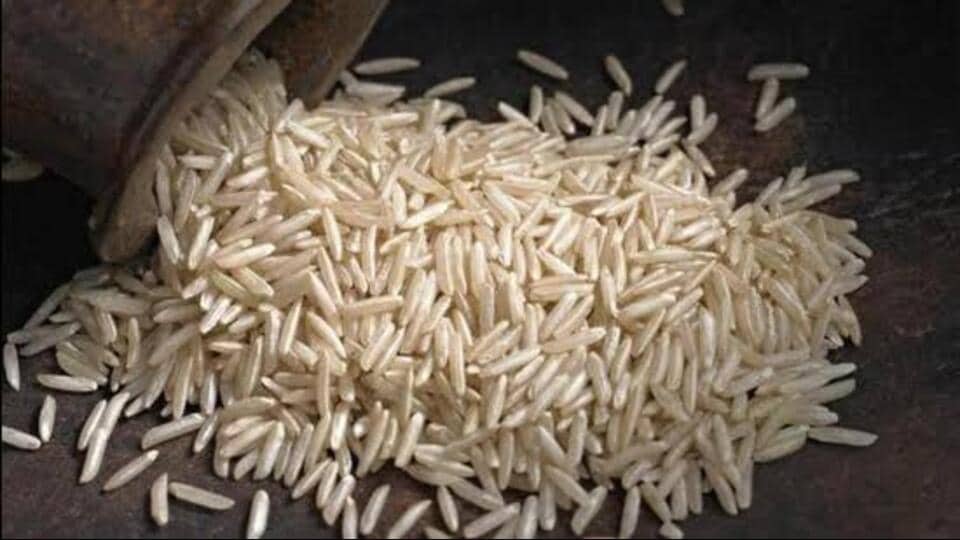
The expected rise in output comes amid expansion in the area under premium grain cultivation, which has increased by at least 50,000 hectares to 6.76 lakh hectares (16.5 lakh acres).
The improved crop outlook has raised hopes among farmers, millers and traders of a profitable season, particularly as exporters are expected to procure heavily from the state following last year’s flood-damaged crop.
Early-sown 1509 basmati varieties have started arriving in Punjab’s mandis and are fetching prices of up to ₹3,800 per quintal, indicating a firm opening to the season.
Punjab accounts for nearly 20% of the country’s basmati acreage and is expected to contribute around 40% of the total production, valued at around ₹50,000 crore.
Crop fetching good price
“The market has opened on a positive note, as the early-sown varieties such as 1509 are being harvested and arrivals have started in the mandis. The crop is fetching a good price of up to ₹3,800 per quintal, which is a good sign,” said Dalwinder Singh, a farmer from Awankha village in Gurdaspur.
Officials of the Punjab Mandi Board expect prices to strengthen further as other premium varieties, including 1121, 1718, Punjab 7 and Punjab 4, begin arriving in the markets. Prices could touch ₹5,000 per quintal, they said.
A joint survey by the Agricultural and Processed Food Products Export Development Authority (APEDA) and the All India Basmati Rice Association has projected a bumper crop in Punjab this season. Traders and exporters are also preparing to lift larger quantities from the state, after production and grain quality were hit by floods last year, which affected basmati-growing areas located between the Ravi and Sutlej rivers, bringing down Punjab’s production to around 20 lakh tonnes.
Win-win situation for farmers
The APEDA survey has estimated average productivity at around 22 quintals per acre, with the value of produce from an acre potentially crossing ₹1 lakh.
According to Makhan Singh Bhullar, director (extension), Punjab Agricultural University, Ludhiana, the expansion in basmati acreage is a win-win situation for Punjab farmers. Basmati consumes at least 30% less water, matures early, can be sown late in July around the onset of the monsoon, and requires comparatively less fertiliser and pesticides. He said the premium crop also has the potential to substantially improve farmers’ incomes.
Early 1509 crop shows sharp yield improvement
The delayed rainfall and consequent late sowing have also contributed to a shift in cropping patterns this year. A large portion of the land that farmers would normally use for non-basmati crops, particularly maize, has been brought under the 1509 basmati, according to an official of the state agriculture department.
Early arrivals of 1509 basmati have already begun in Punjab. Preliminary indications suggest yields of 23-25 quintals per acre, compared with around 16-18 quintals per acre last year.
“This could indicate a 25-30% improvement in yield,” said Ranjit Singh Jossan, vice-president of the Punjab Rice Millers’ Association.
The All India Basmati Rice Association has released its advance estimate of basmati sowing based on satellite imagery and field data available up to the first week of August 2026. According to estimates, basmati acreage across the country has risen by around 1.6%, from 84.65 lakh acres last year to approximately 86 lakh acres this season.
Basmati exporters are also optimistic about the season, citing firm demand and orders from overseas markets. “The season has opened on a positive note. At this stage, we suggest farmers bring mature and dry crops to the mandi,” said Ashok Sethi, director of the Basmati Exporters Association. He said exporters were looking for good quality, properly dried grain as it gives better processing results. “We have demand and orders. In such circumstances, we need the best-quality crop,” he added.


