
 E-Paper



Uttarakhand increases MGNREGA work to 150 days from 100, bans single-use plastic
The Uttarakhand cabinet also approved a complete ban on single-use plastics in the state with fines ranging from ₹100 to ₹2 lakh for violating the ban.

 Prefer HTon Google


The Uttarakhand government has increased the number of working days guaranteed per year to the poor under Mahatma Gandhi National Rural Employment Guarantee Act (MGNREGA) programme from 100 to 150 on Saturday.
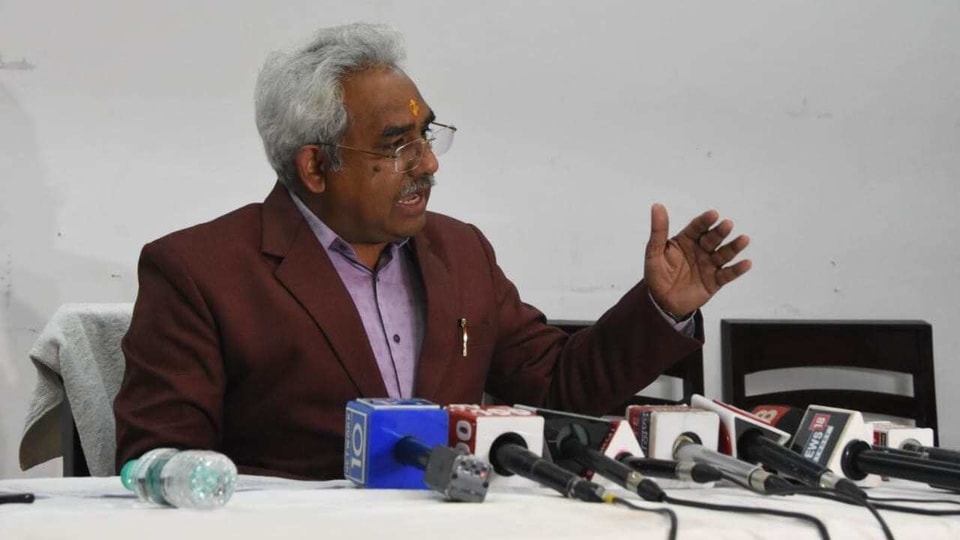
The decision was cleared in the state cabinet meeting led by chief minister Trivendra Singh Rawat at his official residence in Dehradun. 15 other decisions were taken by the cabinet including a complete ban on single-use plastic, introduction of a new state excise policy and reopening schools for classes 6-12 from February 8.
"About 20,000 families involved in MGNREGA would now be provided work for total 150 days instead of 100," said state urban development minister and government spokesperson Madan Kaushik, giving a glimpse of the number of lives likely to be impacted by the decision to increase days of employment under MGNREGA.
"The wages for the additional days worth ₹18.09 crore would be fully paid by the state government," Kaushik added.
The cabinet minister also informed that the cabinet also approved a complete ban on single-use plastics in the state with fines ranging from ₹100 to ₹2 lakh for violating the ban.
"Under the ban, no person, neither himself nor through anybody else, would be allowed to deliberately or mistakenly be allowed to use, store or carry single-use plastic including plastic bags of any size, shape, thickness or colour having or not having a handle," said Kaushik.
The minister informed that, however, bio-compostable plastic bags over 50 microns thick, used to transport bio-waste, urban solid waste and dangerous waste, would be allowed.
"All single-use cutlery made of plastic, thermocol or styrofoam would be banned in any occasion in the state along with single use plastic packaging for food items. Also, nobody would be allowed to throw any plastic in public places," said Kaushik adding "Those items, where the use of the aforementioned three materials could not be banned, the manufacturer has to ensure it collects them for disposal."
He also said that there would be a fine for the violators of the ban.
"The manufacturer of single use plastic would be fined ₹2 lakh, seller would be fined ₹1 lakh and any person using it would be fined ₹100. If the offender is found in violation for the second time, then the fine would be doubled," said Kaushik.
The cabinet also approved a new state excise policy during the meeting.
"Under that, from the coming new financial year, the liquor shops would be allotted through e-tenders instead of existing lottery system and for a period of two years instead of one year," said Kaushik.
He said, "Also, the application fee for the tenders has been hiked to ₹50,000 from ₹40,000. The country liquor shops would be allowed to sell beer. The government would also reshape the slab for revenue for the shops under the new policy."
Also Read: Uttarakhand reported 80 adverse events post Covid vaccination, most are minor
Among the other important decisions, the state government decided to open the schools for classes 6-12 from February 8.
"The schools for classes 10 and 12 were already opened and now those for 6,7,8,9 and 11 would be opened. The SOP for it would be soon issued by the education department," he said.
The cabinet also approved the implementation of cyber crisis management plan to counter cyber attacks and cyber terrorism on the directions of Centre in the state.
It also approved a land of 75 acres in Nainital to be given to NDRF for opening their state office.


