
 E-Paper



As fresh curbs set in, expect long queues outside Delhi Metro stations
The Delhi Metro Rail Corporation started restricting passenger movement at stations on Tuesday evening itself, a few hours after the government sounded the ‘Yellow Alert’ to curb the spread of Covid-19 in the Capital.

 Prefer HTon Google


New Delhi: Long queues are likely to return outside Metro stations with the Delhi government directing Delhi Metro to restrict passengers to 50% of seating capacity and not allow standing commuters in its trains, said officials.
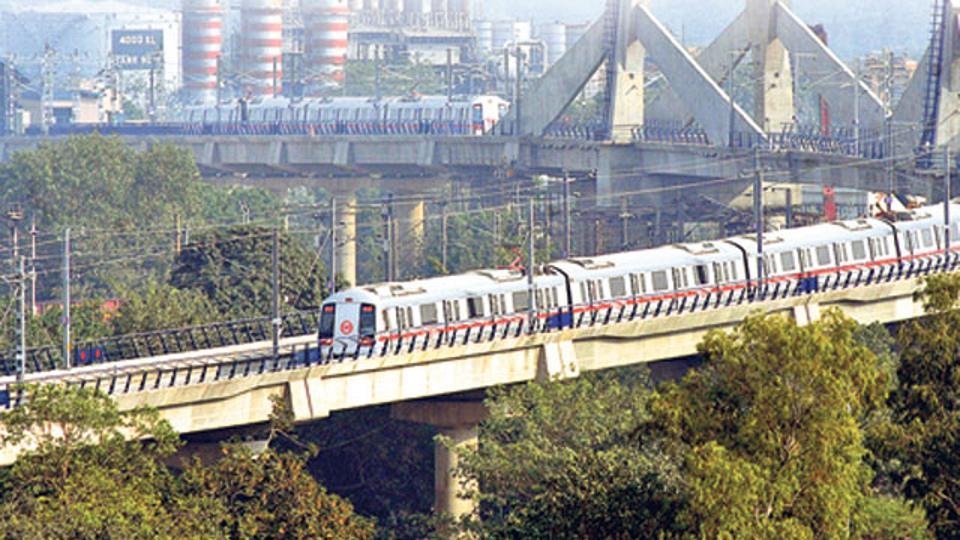
The Delhi Metro Rail Corporation (DMRC) started restricting passenger movement at stations on Tuesday evening itself, a few hours after the government sounded the ‘Yellow Alert’ under the first phase of Graded Response Action Plan (Grap) to curb the spread of Covid-19 in the Capital.
Also Read | Capital sounds ‘yellow alert’, adds more curbs
Anuj Dayal, executive director, corporate communication, DMRC, said, “To ensure compliance with the guidelines, entry to Metro stations will be regulated by restricting the number of open gates.”
Officials said that there will be no change in the schedule of trains. “Around 50% of the gates will remain open at Metro stations. Of 712 gates across all Metro stations, 444 will be kept open as of now. We have our teams to check strict enforcement of the order,” said a DMRC official.
Also Read | Delhi Covid-19 curbs: New Metro guidelines commuters must know
DMRC also urged people to restrict travel only for essential activities. “In view of the restrictions put in place to prevent the spread of the Covid-19 pandemic, entry through some of the gates will be regulated. Passengers are therefore requested to travel only if absolutely essential and keep some additional time for their travel,” it tweeted on Tuesday.
Transport expert Sewa Ram, professor of transport planning at School of Planning and Architecture, agreed with entry restrictions, but said that the authorities should increase the frequency of trains and buses. “We have seen the public transport users suffer the most due to these unavoidable restrictions. To ensure that people continue to use public transport and don’t switch to personal vehicles, the DMRC should also increase the capacity of trains by adding more coaches and the Delhi government should increase the number of buses.”
Meanwhile, residents fear their daily commute will become even more difficult.
Also Read | Delhi’s daily tally climbs to 496, positivity rate heads towards 1%
Sudhin, a resident of Delhi who travels to Gurugram for work regularly, said, “We will be back to standing in long queues and waiting for hours outside the stations. I might either opt for work from home or start using my personal vehicle for daily commute.”
Delhi Metro operations were shut in March last year during the lockdown, and was resumed at 50% capacity in September. In July this year, 100% seating for passengers was allowed and in November, standing passengers too were permitted in trains.
Delhi Metro has incurred huge operational losses due to the restrictions, and the DMRC has already written to the state government and the Centre for financial assistance to make up for the losses incurred due to the restriction on travel.
Restrictions to affect traders
Meanwhile, traders in the city feel the new restrictions on travel and markets (shops have been directed to open on an odd-even basis) will impact their businesses. “It will become difficult for our staff to report at work on time. The odd-even rule for shops in markets will have a huge impact on the footfall in the market and our business, which had picked up recently,” said Atul Bhargava, president of New Delhi Traders Association in Connaught Place.


