
 E-Paper



Butter chicken to ‘chhole’: Delhi’s favourites feel the heat of war
Delhi's LPG shortage forces restaurants to cut menus, ration gas, and adopt alternative cooking methods, risking closures amid rising black market prices.

 Prefer HTon Google


The ongoing LPG shortage in the capital is forcing restaurants — from heritage sweet shops in Old Delhi to iconic cafés and neighbourhood eateries — to rethink how they cook, what they serve and, in some cases, whether they can stay open at all.
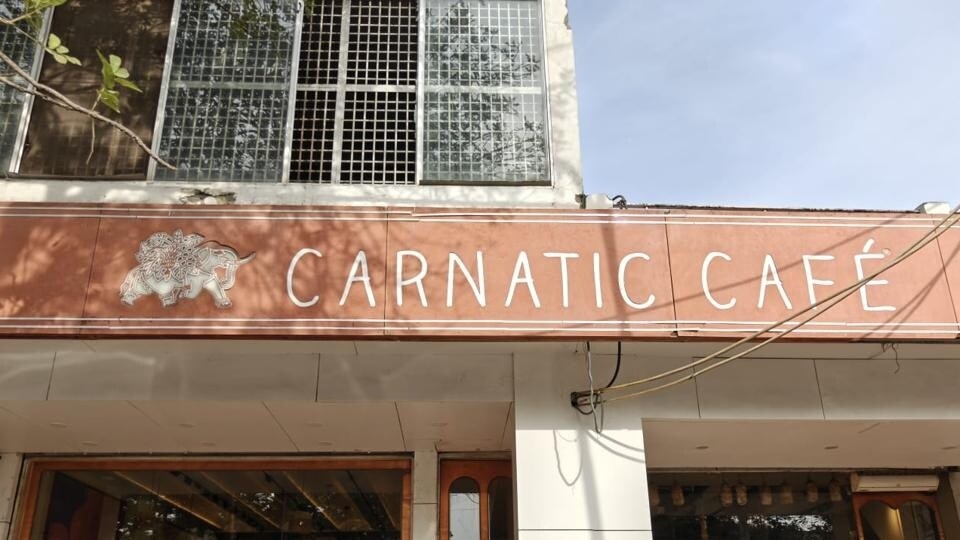
Several well-known establishments have begun trimming menus, rationing gas cylinders or experimenting with alternative cooking methods as supplies tighten and black market prices surge.
At Carnatic Cafe on Lodhi Road, management has started pruning the menu. Restaurant officials said they have discontinued dishes under the “Rice of the Day” section and temporarily removed the popular Patravali Thali.
“The supplier is not providing us with any solution and we are about to run out of supply. Dishes under the “Rice of the Day” section and the thali take a lot of gas to prepare. We are serving other items for now,” an official said.
In Old Delhi, at the 140-year-old Old Famous Jalebi Wala in Dariba Kalan, owner Kailash said LPG cylinders in the black market are now selling for around ₹3,000 per cylinder.
Also Read | No shortage of LPG, petrol, diesel, PNG across Delhi: Govt
“Customers prefer hot jalebis, but we are requesting them to understand our situation. Earlier we used to fry in small batches, but now we fry two to three kilograms at one go,” he said.
At the famed Sita Ram Diwan Chand Chhole Bhature, owner Rajeev Kohli said the restaurant has begun using induction cooktops and are reducing the quantity of chhole prepared daily to conserve gas.
At the decades-old Dhaba Food in Connaught Place’s Shankar Market, a notice outside the shop on Thursday informed customers that only rajma chawal and kadhi chawal would be served.
“If we don’t get a cylinder, we will have to shut shop. We have never closed, except during the pandemic,” a staff member said.
A similar situation is unfolding at Lodhi Knights, a well-known shawarma joint in the Lodhi area. Owner Nehul Ahuja said the restaurant may shift to alternative cooking methods if the shortage persists.
“We are trying to adapt. For now, we have had to stop serving our Mughlai dishes, curries and even shawarmas — basically anything that requires long cooking time,” he said.
At Bengali Sweet Centre in South Extension-I, staff said the menu now changes depending on how much gas remains. “There’s only one cylinder now and soon that will also get over,” a staffer said, adding that items such as matar kulche and some deep-fried snacks have been stopped.
Restaurant chains are not faring any better. Sumit Gulati, owner of the Call Chotu chain, said shortages have affected both branch kitchens and the central kitchen in Saket.
“Our cylinder supply will be over within a day or two. We are now trying to transition to electric cooking. But many dishes such as butter chicken, noodles and manchurian require high-flame cooking. We will have to see what can be made on electric cooktops,” Gulati said.
Others are turning to traditional fuels. Vinod Chadha, owner of Moti Mahal in Daryaganj, said they have started using charcoal for dishes that require long simmering.
“We have begun using charcoal for our curries and it has enhanced the taste. From fried items, we have shifted towards the tandoor,” he said.
Even establishments using piped gas are adjusting. Staff at the Haldiram’s outlet in New Friends Colony said tandoor items are being halted between 6pm and 8pm after the gas supplier warned that only 80% of the usual supply would be available.
(with inputs from Jasjeev Gandhiok and Hemani Bhandari)



Stay updated with all top Cities including, Bengaluru, Delhi, Mumbai and more across India. Stay informed on the latest happenings in World News along with Delhi Election 2025 and Delhi Election Result 2025 Live, New Delhi Election Result Live, Kalkaji Election Result Live at Hindustan Times.


