
 E-Paper



Delhiwale: A village’s village days
Once upon a time, there was Twice Upon a Time

 Prefer HTon Google


Once upon a time, there was Twice Upon a Time. In 1987, entrepreneur Bina Ramani “discovered” Hauz Khas Village, as she recalls in one of her Instagram posts, and soon afterwards opened a boutique of that name there.
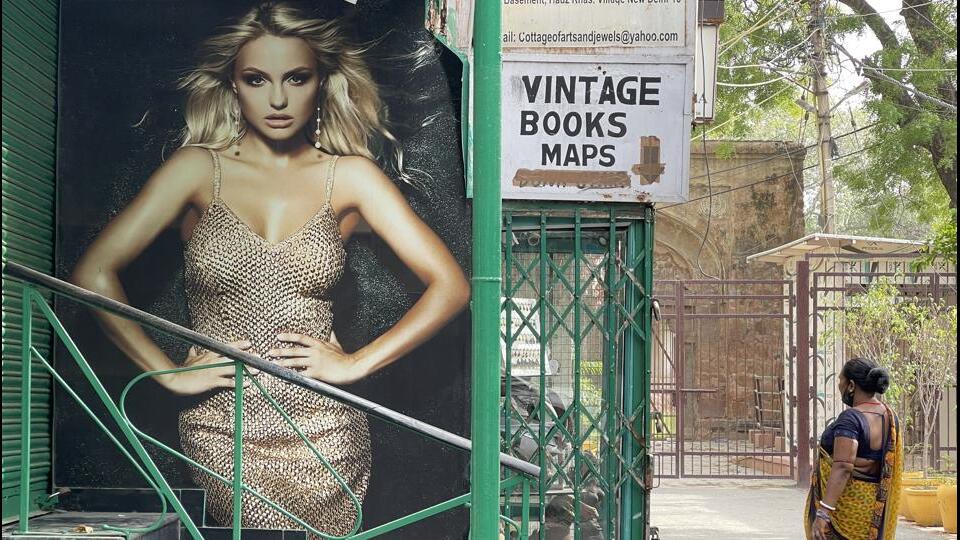
The South Delhi place then was still very much a village. In no time, others followed. Shoppers came from elsewhere in Delhi. Boutiques, galleries, studios, cafés and restaurants moved into village houses. Hauz Khas Village became the place to see and be seen.
The village has a few more months before it marks 40 years since it stopped being a village alone. Indeed, per a villager in his 60s, there was a time when there was no electricity in the village. Wooden poles stood along the lanes, and every evening a man came to light kerosene lamps fixed to them. He returned the next morning to put them out.
Back then, village landowners cultivated the surrounding khet for crops. Chana was grown in winter, jwar and bajra in summer. There were mud houses. A panchayat building on the main street also served as a primary school. It was demolished some years ago. A nearby Hanuman temple survives, renovated in recent years.
In a rare 1989 Doordarshan documentary on the changing Hauz Khas Village, shared on the Facebook page Dilli Dehat, the lanes still look like those of a village. Buffaloes pass between houses and stand beside piles of gobar ka upla, the cow dung cakes. Women sit on low walls or walk with their heads covered. Washing hangs from railings. String charpoys stand outside doorways. Bicycles lean against walls. A buffalo drinks from a trough. Smoke rises from a cooking area. The boutiques had begun arriving, but much of the landscape around them belonged to another Hauz Khas.
Local lore goes further back. Some 400 years ago, it says, a zamindar presided over the area. His two sons, unable to manage the estate, invited a Jat family from neighbouring Shahpur Jat, offering them a third of the land. The family had only recently arrived in the Delhi region from Alwar in Rajasthan. Over the generations, it grew into dozens of branches in Hauz Khas Village.
Gradually, the fields disappeared. And starting from the mid-1980s, concrete buildings rose. Village households who had once lived off the land began living off rent. Houses gained additional floors, and spaces were leased to shops, restaurants, boutiques, galleries, and studios. Rooms went to lodgers, once mostly artists and students. Today, most are occupied by tourists and short-stay visitors. Many of these rooms are now more furnished than ever, enjoying their latest avatar as Airbnb stays. The most prized among these overlook Hauz Khas’s centuries-old monuments and/or its smelly hauz, or lake.
At the village’s southern end survives a remnant of its earlier life: a well. Before running water reached homes, women walked here with brass and earthen pots balanced on their heads. Laundry was washed here. Men and boys bathed here. A pair of bulls walked in circles, drawing water with a leather device called a charsa. Now, the well is dry.
PS: The photo is from another year


Stay updated with all top Cities including, Bengaluru, Delhi, Mumbai and more across India. Stay informed on the latest happenings in World News along with Delhi Election 2025 and Delhi Election Result 2025 Live, New Delhi Election Result Live, Kalkaji Election Result Live at Hindustan Times.


