
 E-Paper



Delhiwale: Nirmala’s drinking water
Nirmala, a beggar in Delhi, struggles with unfiltered tap water, risking health issues, while many lack access to affordable, safe drinking water.

 Prefer HTon Google


Many of us must daily consume our drinking water stored in a safe, hygienic and filtered state, reasonably fit for human consumption. Either we might have a water filter installed in our kitchen. Else, we might routinely be receiving home-deliveries of giant mineral water bottles from the local grocer.
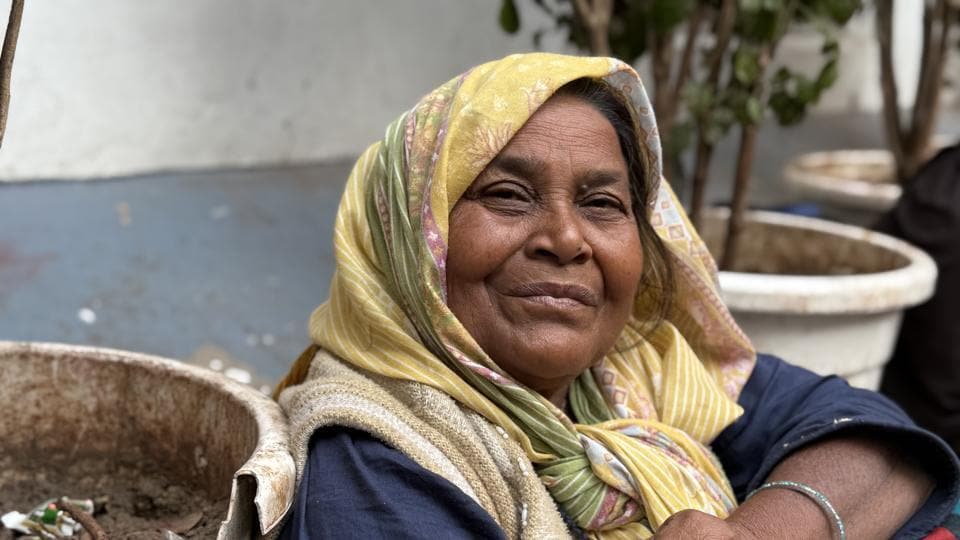
There are also many fellow citizens who probably cannot afford filtered drinking water. Such as citizen Nirmala. She is a beggar, and throughout the day, she sits on a central Delhi market pave, seeking alms. During the day, she drinks the tap water sourced from a friendly snack vendor.
While there are places in the city equipped with water filters for the public, there aren’t too many. Citizens, who are either homeless, or do not have moderate means of income, are often obliged to subsist on unfiltered water, risking all the potential disadvantages.
Nirmala lives in a congested locality, where she shares her single-room home with her family. Her husband, she says, works as a caretaker for a public toilet. Her daughter stays at home. The household depends on a single tap for the family’s daily water consumption; the tap is shared by more than one household.
“We cannot buy a water filter… It must come for 2000 rupees, or perhaps 3000,” says Nirmala this afternoon, over a conversation, herself seated cross-legged on a tiny portion of the market pave. She says that her husband and daughter do not seem to be affected by “nalka water,” but she often suffers from dysentery-related diseases, which she presumes is due to the water. “Every time I drink our water, I feel something here.” She rests her palm on her stomach. A neighbourhood chemist gives her pills for free when the “pain” becomes too uncomfortable, she says.
It turns out that Nirmala happens to be living in the capital due to a water crisis. A shortage of water in her Maharashtra village was one among several reasons that forced her to leave her homeland “many years” ago. “Our village would have hardly any water outside the rainy season. Our naaliyan (drains) would fill up with sand. We would have to walk to a distant well with big pots…”
Responding to a request, Nirmala poses for a portrait, after which she mulls upon the idea of her family routinely boiling their water before using it to drink. She eventually shakes her head—“That will mean using more kerosene in the chulha.”


Stay updated with all top Cities including, Bengaluru, Delhi, Mumbai and more across India. Stay informed on the latest happenings in World News along with Delhi Election 2025 and Delhi Election Result 2025 Live, New Delhi Election Result Live, Kalkaji Election Result Live at Hindustan Times.


