
 E-Paper



‘No PUC, no fuel’ drive hits staffing, tech snags in Delhi
Five flying squads are conducting random checks, while transport officials expect enforcement to expand after personnel deployed for bus operations are freed.

 Prefer HTon Google


New Delhi: The Delhi government’s intensified “No PUC, No Fuel” enforcement drive, which began on October 1, is yet to pick up pace in the Capital as it has remained largely dependent on technology and petrol pump staff.
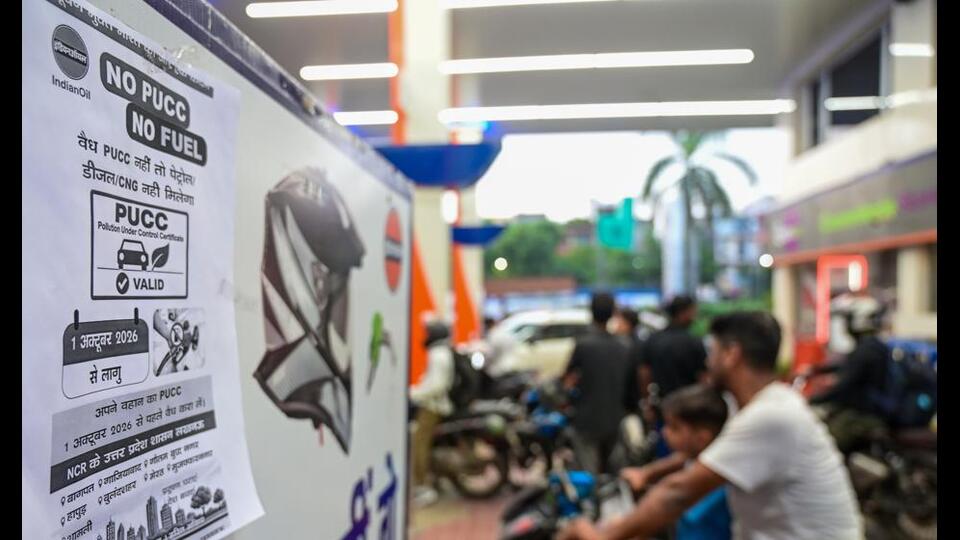
While most fuel stations have the required automatic number plate recognition (ANPR) systems, the transport department, however, has been unable to substantially increase its field deployment as several personnel remain engaged in managing the ongoing Delhi Transport Corporation (DTC) strike.
Officials said around five flying squads are currently conducting random checks at fuel stations and sensitising pump operators about denying fuel to vehicles without a valid Pollution Under Control Certificate (PUCC). The deployment is expected to be increased over the next few days once the DTC strike ends completely.
“Most of the staff who were used for enforcement have now been pressed into managing bus operations. The concessionaires are getting their drivers and conductors now and we are hoping our marshals will get free in about a week,” said a transport department official.
The Commission for Air Quality Management (CAQM) in May directed that fuel should not be dispensed to vehicles without a valid PUCC across the National Capital Region from October 1. The direction provides for technology-based enforcement, including ANPR systems, to check the validity of pollution certificates.
In Delhi, the government had announced that the drive would be implemented in “mission mode” at around 500 fuel stations equipped with ANPR cameras. The policy had also been enforced in the Capital during the severe pollution season in December 2025 and was subsequently made a year-round measure.
At fuel stations, however, staff said the cameras, scanners and public announcement systems were functioning, but enforcing the denial of fuel without the presence of government personnel was proving to be difficult in some cases.
A staff member at a fuel station in INA said, “We deny fuel to those who do not have a PUCC and an announcement is made, but some people begin a fight and insist that we fill up the vehicle. Without any enforcement official, it is difficult to pick fights every day.”
Another staff member at a fuel station in ITO said awareness about the requirement had increased among motorists, with many getting their certificates renewed before coming to the pump.
“Most people now are aware of the norm and get their PUC certificates well in time. However, there are others with end-of-life vehicles who cannot be issued a PUCC. These people insist on getting the fuel as they will not be getting a PUC even later. With no enforcement team or police, we can’t take any further action,” the employee said.
At other fuel stations as well, HT found that the cameras were functional and an announcement was made when the cameras identified any vehicle that did not have a valid PUC, though the staff eventually filled some vehicles.
Nishchal Singhania, president of Delhi Petrol Dealers Association, said enforcement had not yet reached the level expected under the intensified drive. “The enforcement drive has not intensified yet and even the DTC marshals who were deployed earlier were pulled back due to the strike. Action will only intensify once they are back,” he said.
Singhania also raised concerns about implementation across the NCR. “The bigger problem is that while this plan has started in NCR cities also, most fuel stations in Gurugram and Noida still don’t have these ANPR cameras to identify vehicles without PUC. So people may start getting fuel from the NCR cities, which will cause losses to Delhi. This needs to be monitored better,” he said.
The Delhi government has maintained that the intensified PUC enforcement is part of its broader year-round strategy to control vehicular emissions, with greater use of technology for vehicle testing and monitoring.


Stay updated with all top Cities including, Bengaluru, Delhi, Mumbai and more across India. Stay informed on the latest happenings in World News along with Delhi Election 2025 and Delhi Election Result 2025 Live, New Delhi Election Result Live, Kalkaji Election Result Live at Hindustan Times.


