
 E-Paper



Eco-friendly, self-sustainable farmhouses allowed in agriculture zones
Under a new policy approved on September 17, eco-friendly farmhouses can be constructed in agriculture zones of hyper, high, medium and low potentials, at a minimum distance of 500 metres from urban zones. As per the policy, a farmhouse in an agriculture zone can be a house constructed as the main dwelling unit or an ancillary unit


The Department of Town and Country Planning (DTCP) has allowed the development of eco-friendly farmhouses in agricultural zones, officials said on Tuesday.
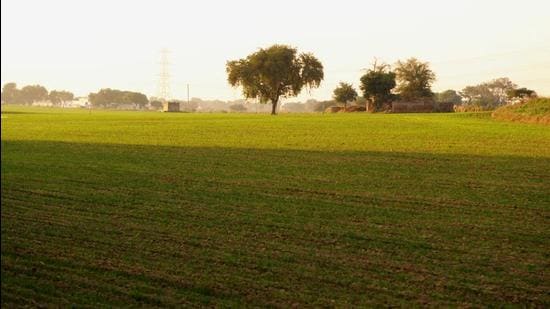
Under a new policy approved on September 17, eco-friendly farmhouses can be constructed in agriculture zones of hyper, high, medium and low potentials, at a minimum distance of 500 metres from urban zones. As per the policy, a farmhouse in an agriculture zone can be a house constructed as the main dwelling unit or an ancillary unit.
DTCP officials said that as per the new policy, farmhouses would now be allowed in hyper-potential zones of Gurugram and Faridabad, which was not allowed earlier.
DTCP officials said that the farmhouse has to be developed as a self-sustainable unit, with solar lighting, ways to ensure 100% treatment of all waste, including water, and no generation of effluents allowed.
The policy allows the construction of a swimming pool with a maximum area of 50 square metres (sqm) for personal use, but not for commercial purposes. The farmhouse must also have tree coverage of 15%, according to the policy.
According to the policy, farmhouses are allowed only if the minimum area is one acre with a maximum floor-area ratio of 0.12 for farmhouses built on an area of up to two acres. For properties larger than two acres, the department has fixed the maximum size of the building at 1,000 sqm.
RS Bhath, district town planner (enforcement) said that the farmhouses under the policy can’t be used for commercial, religious, institutional purposes or as a party/banquet hall. “The purpose of this policy is to allow landowners to develop farmhouses in a regulated manner and to ensure that these properties are developed in an eco-friendly manner. Planned development is crucial in both urban and rural areas,” he said.
Officials said that the new policy was announced due to popular demand for the same, due to which several illegal farmhouses have cropped up on the outskirts of Gurugram. The policy aims to curb the development of illegal colonies and allow individual landowners to build farmhouses for personal use. “This, however, does not mean that a person can buy large land and develop multiple farmhouses to sell these,” Ashish Sharma, assistant town planner, said.
DTCP officials also said that sites approved under the policy will not come under the purview of the Haryana Apartment Ownership Act. In case of any violation or misuse of the premises, the same shall be sealed and penal action taken against the violators, they said.
These properties would be monitored by a district-level committee comprising officials of the DTCP and other departments concerned, and headed by the deputy commissioner.
Owners of agricultural land welcomed the move.
Suresh Yadav, a landowner, said that the policy will curtail illegal developments and also allow landowners to develop such properties for personal use. “Once these get approved, there would be no harassment either,” he said.
Before this, the government had come up with a similar policy for urban areas, aimed at allowing landowners in urban pockets to develop land in a regulated manner.

Stay updated with all the Breaking News and Latest News from Mumbai. Click here for comprehensive coverage of top Cities including Bengaluru, Delhi, Hyderabad, and more across India along with Stay informed on the latest happenings in World News.


