
 E-Paper



Residents hold protest against upcoming cultural hub near Museo Camera Museum
MCG, which owns the land on which the museum and badminton court exist, said that it had lawfully leased it to Museo Camera

 Prefer HTon Google


Residents from neighbourhoods surrounding the Museo Camera Museum in Sushant Lok 1 — which is dedicated to the art and history of photography — held a protest on Friday accusing the museum’s management of illegally occupying an indoor badminton court at the museum to build a cultural hub.
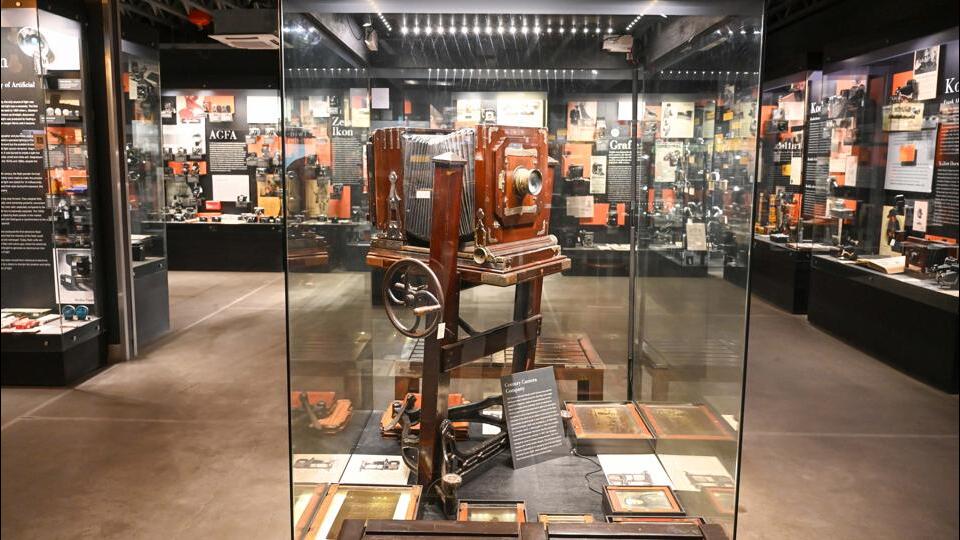
However, the Municipal Corporation of Gurugram (MCG), which owns the land on which the museum and badminton court exist, said that it had lawfully leased it to Museo Camera, and defended the museum’s “cultural significance”.
“The land was handed over lawfully in June, and the order was reaffirmed just four days ago. It is disappointing that people are protesting against a unique institution such as ours. Museo Camera is the largest museum of its kind in Delhi-NCR and offers cultural events that have created employment for the city. The badminton court in question was in a dilapidated state for four years before we took over. It was only after the handover that residents realised its value,” said Aditya Arya, director and founder of Museo Camera.
He said that under the terms of the Memorandum of Understanding (MOU) with the government, Museo Camera has paid 4% tax — amounting to ₹27 lakh between 2019 and 2024, along with ₹58 lakh in GST. “This museum is a revenue-generating asset, not a liability. Our revenue comes from exhibitions and artwork displays, not through public funds,” he added.
MCG Commissioner Dr Narhari Singh Bangar said that while a badminton court could be built elsewhere, a cultural hub such as Museo Camera holds a unique value for the community. “It is crucial to have spaces where people can engage in talks, attend art and cultural exhibitions, and come together to appreciate art. The city’s livability is enhanced not just by recreational spaces but also by cultural assets,” Bangar said.
Meanwhile, residents said that the transformation of the city’s only indoor badminton court into an extended café area effectively denies children and residents a space to play.
Residents said that MCG had invested more than ₹1.5 crore to construct the indoor badminton court, which has remained inaccessible to the public since the museum’s takeover.
The protest, led by former sarpanch Anil Yadav, saw residents holding placards and chanting slogans against the museum. Yadav said that the museum was public property handed over by officials purely for private gain. “Officials must clarify how much revenue the municipal corporation has received from the museum to date,” he said.
Surender Uppal, president of the DLF 4 Residents’ Welfare Association (RWA), claimed that the café generates approximately ₹15 lakh per month. “Whose pockets are benefiting from this income?” he asked, echoing the frustrations of many locals who feel the museum is prioritising private gains over community welfare.
Local leaders, including Sushant Lok RWA general secretary Ravindra Nath Behl, Chandralok Society president Dayachand, and representatives from Maruti Vihar Society, accused the museum of hosting daily unauthorised events such as vegetable markets and fairs. These activities, they argued, not only deprive the city of revenue but also compromise the safety of local residents. “We are facing issues of congestion and safety daily. Why are our complaints falling on deaf ears?” asked Behl. “Are municipal officials under pressure to avoid action against the museum’s management?” asked Rohitas Yadav.


