
 E-Paper



87 dengue cases reported in five days in Lucknow
Post-rain waterlogging creates fresh breeding sites; health teams intensify source reduction, anti-larva spraying and fogging across vulnerable areas

 Prefer HTon Google


Dengue cases in Lucknow have risen sharply, with 87 new cases reported across the city in just five days, between September 29 and October 3. The latest cases have taken the total number of dengue infections reported this year to 342, according to data from the local health administration.
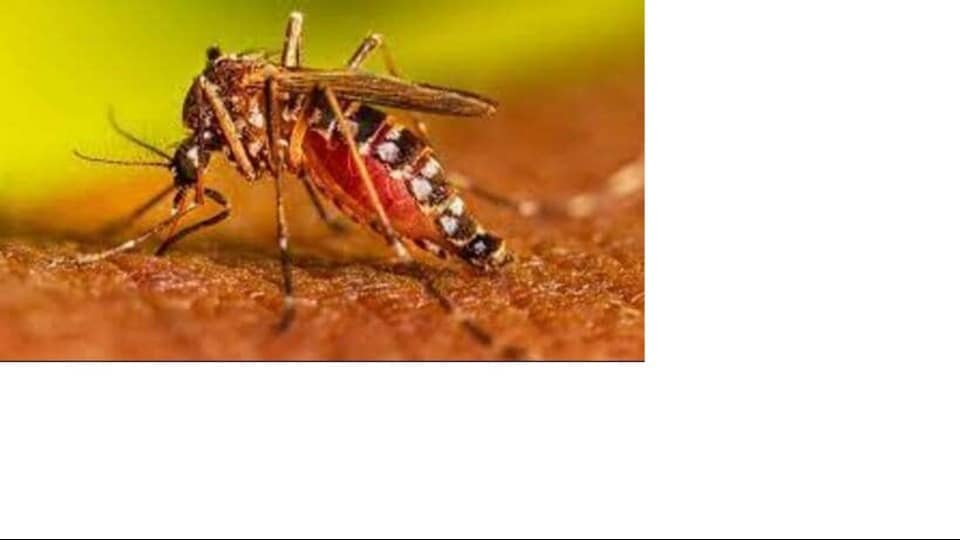
The increase comes after three consecutive days of rainfall that led to waterlogging at several places, creating favourable conditions for mosquito breeding. Health officials said stagnant water left behind after the rains could provide fresh breeding sites for Aedes aegypti, the mosquito that transmits dengue.
Lucknow has 110 wards, while only five malaria inspectors and their dedicated teams are overseeing vector-control activities across the city.
“After the rains, our focus shifts to case-based activities. Wherever cases are reported, teams are deployed for source reduction,” said Ritu Srivastava, district malaria officer.
She said the period immediately after the rains was crucial for controlling mosquito breeding as water accumulated in coolers, flower pots, discarded tyres, containers and other unused items can become breeding sites.
“As the rain has stopped, our teams are focusing on vulnerable locations where more cases are being reported. Source reduction, anti-larva spraying and fogging have been intensified in coordination with other departments,” Srivastava said.
She added that warm temperatures and high humidity during the day favour dengue mosquito breeding and transmission. October is generally a peak period for dengue cases, while cases tend to decline as temperatures become more uniform between day and night.
PK Srivastava, city health officer, Lucknow Municipal Corporation, said fogging and anti-larva spraying were being carried out regularly in different parts of the city.
Dr Sheetal Verma, department of microbiology, King George’s Medical University, said repeated monsoon rainfall and waterlogging may have increased stagnant-water breeding sites for Aedes mosquitoes.
“Warm temperatures and high humidity favour mosquito survival, biting activity and dengue transmission,” she said, adding that household containers, coolers, discarded items and construction sites could sustain mosquito breeding between rainfall episodes.
Health officials appealed to residents to prevent water accumulation around homes, regularly empty coolers and flower pots, properly dispose of discarded tyres and use mosquito nets and repellents to reduce the risk of dengue transmission.


