E-Paper



IOC, Adani Total Gas keen to set up compressed biogas plants in UP
The companies propose to buy cattle dung and crop residue from farmers to produce the CBG in the plants that may be set up in large stray cattle centres and other suitable places

 Prefer HTon Google


LUCKNOW Two energy giants – Indian Oil Corporation Ltd and Adani Total Gas – have evinced interest in setting up compressed biogas (CBG) plants in Uttar Pradesh, joining hands with the Yogi Adityanath government in its bid to find out a lasting and sustainable solution to the stray cattle menace apart from strengthening rural economy, said people aware of the development.
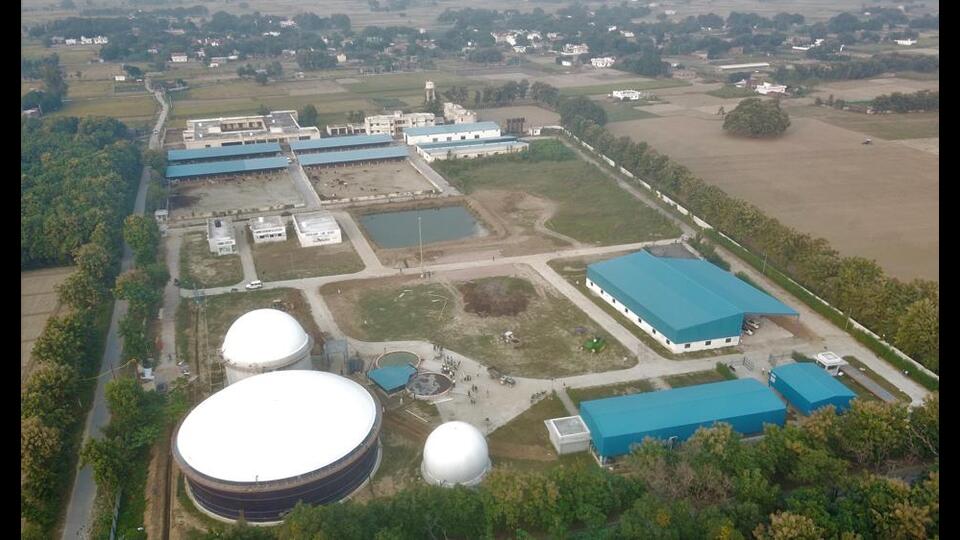
Facilitated by the animal husbandry department, the two companies made presentations in a meeting chaired by chief secretary DS Mishra here on Tuesday, proposing establishing CBG plants to produce CNG from cattle dung and crop residue.
“The companies, in their presentations, proposed to buy cattle dung and crop residue from farmers to produce the CBG in the plants that may be set up in large stray cattle centres and other suitable places,” an official said.
“The government is yet to take a call on the proposal,” he added.
The setting up of CBG plants, it is believed, would make better use of agricultural waste, cattle dung and municipal solid waste, provide additional revenue source to farmers and create job opportunities in rural areas apart from making affordable CNG available for domestic commercial use.
Indian Oil, the official said, had signed MoUs in some other states for setting up CBG plants while Adani Total Gas had already set up a huge CBG unit on the land made available to it by the government in Varanasi.
During the presentation, Adani Total Gas representatives also shared their experience about the CBG plant in Varanasi. Both the companies suggested that government support was a must for the off-take of organic fertilizer produced by such plants.
They also suggested increase in biogas price that had been priced by the Centre at ₹46 per kg till 2023.
Varanasi’s ₹20 crore CBG plant (minus land cost) funded by the Adani Foundation and run by Varanasi Gobardhan Foundation, a special purpose vehicle (SPV) under the Varanasi Nagar Nigam, is already producing gas and is ready for commercial commissioning.
“Set up near a big stray cattle centre and ready for commercial production, the 90-tonne capacity plant requires around 40-50 tonne cattle dung every day, which we purchase from local farmers in a radius of around 25-30 km for ₹1 per kg,” an official of the Adani group said.
The cattle dung price, he said, was not fixed and might be fixed differently for different places, depending on local conditions.
The government according, to an animal husbandry department official, wants similar CBG plants, at least one each, in all the 75 districts, in a move that it believes will rid the state of the stray cattle menace apart from strengthening rural economy.
“The government is also ready with the state’s first-ever fodder security policy that will be rolled out soon to ensure round-the-year availability of green and dry fodder,” he pointed out.