
 E-Paper



‘Too few hands, too many tasks’
Uttar Pradesh's power system faces strain as few engineers manage multiple substations, leading to outages and public frustration amid workforce declines.

 Prefer HTon Google


: A single junior engineer (JE) managing three to four substations and a subdivisional officer (SDO) overseeing nearly 10 to 12 feeders has become routine across several power distribution divisions in Uttar Pradesh, exposing the deepening strain on the electricity system.
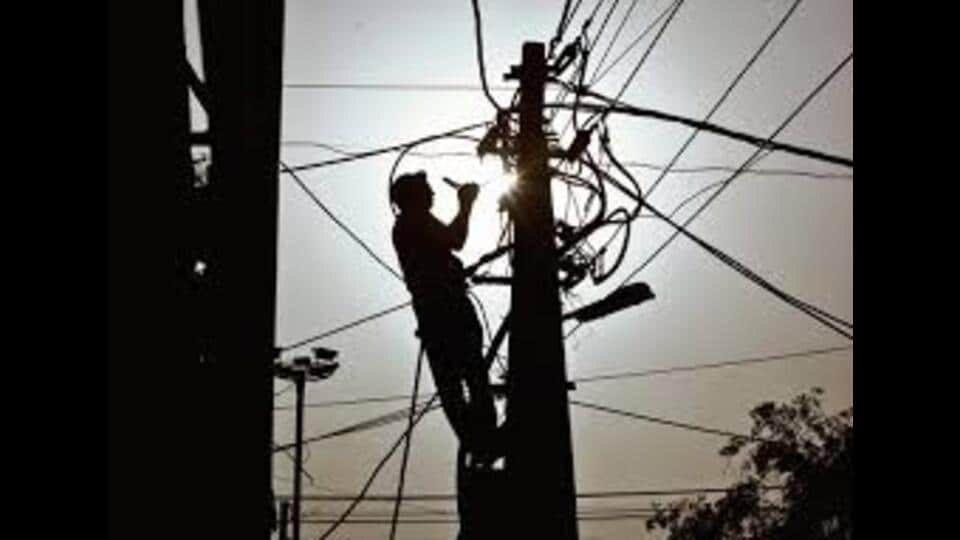
Engineers claim that excessive workload and constant pressure affect efficiency. They say employees often remain on duty late into the night during faults, outages, and peak summer demand.
Another major concern being highlighted is the decline in field-level technical staff.
Employees allege that workers were shifted away from field duties into substation operator (SSO) roles, while a large number of contractual linemen and SSOs were removed or reduced. This has significantly weakened fault-response capability even as consumers in many areas are facing prolonged outages, delayed repairs, and repeated interruptions in power supply.
Field employees say the infrastructure itself is under extreme pressure.
Shailendra Dubey, chairman of the All India Power Engineers’ Federation, says, “Despite rising electricity demand over the last decade, adequate number of new substations and feeders were not added. According to employees, a large percentage of transformers, substations, and feeders are currently operating under overloaded conditions.This has reportedly led to: frequent tripping, low-voltage supply, transformer faults resulting in repeated power cuts during peak hours. A city like Lucknow requires around 350 substations but only has 148.”
Devendra Kumar Pandey, general secretary of Uttar Pradesh Power Corporation Tender/ Contract Employees’ Union, said: “While systemic failures continue, frontline employees face the maximum public anger.They are attacked whenever power cuts occur. Consumers often direct frustration at linemen and local engineers, while administrative pressure and suspensions frequently fall on JEs and SDOs.”
Employees argue that repeated disciplinary action against lower staff has not solved the real issues because the deeper structural weaknesses remain unaddressed.
Chief engineer, Lucknow Central, LESA, Ravi Agarwal said, “ Our present stress is on providing the uninterrupted power supply to residents. Reforms are going on and they will continue in the future too.”


