
 E-Paper



UP’s 1st DNA fingerprinting lab in a med inst opens at KGMU
Two-day workshop training researchers, doctors in DNA profiling, forensic identification and molecular diagnostics

 Prefer HTon Google


King George’s Medical University (KGMU) inaugurated the first DNA fingerprinting laboratory in a medical institution in Uttar Pradesh on Friday, aiming to strengthen forensic investigations, research and molecular diagnostics.
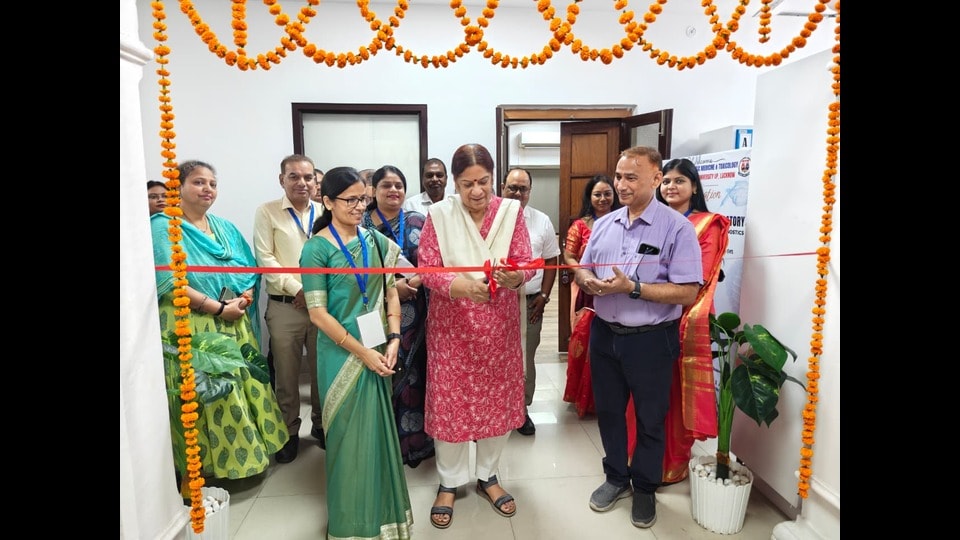
Vice-chancellor Prof Soniya Nityanand inaugurated the DNA Fingerprinting Laboratory – Forensic Genetics and Molecular Diagnostics at the department of forensic medicine and toxicology.
A two-day hands-on workshop on forensic DNA profiling is being held on October 23 and 24, a release shared with the media read.
The laboratory will support DNA-based identification of unknown bodies, missing persons and disaster victims, besides assisting in paternity disputes and cases involving accidental newborn swaps in hospitals. Nityanand highlighted its potential in medical research, including chimerism analysis following bone marrow transplants.
KGMU spokesperson, Prof KK Singh said the medical university is the first medical institution in the government or private sector to establish a DNA fingerprinting laboratory. He added that other private collection centres in the city collect samples and send them to laboratories in Pune and Hyderabad for testing.
Prof Anoop Kumar Verma, head of the department of forensic medicine and toxicology, said DNA profiling was an important scientific tool for forensic investigations and could help resolve pending cases.
Dr Anshu Priya, associate professor at KGMU’s forensic fingerprinting unit, said the laboratory would focus on research and innovation, education and training, and short tandem repeat (STR)-based molecular diagnostics.
The workshop is training researchers, postgraduate resident doctors, faculty members and forensic experts in DNA extraction, PCR amplification, STR profiling and genetic analyser-based interpretation.
Experts participating include Dr Pankaj Srivastava of the Forensic Science Laboratory, Jabalpur; Prof Gyaneshwer Chaubey of Banaras Hindu University; and Dr Jwala Kumar Nand, Jharkhand Forensic Science Laboratory.


