
 E-Paper



Beed farmers mourn Cyrus Mistry’s death
Beed was once known for the highest number of farmer suicides in the state; Mistry’s passing was no less personal


Mumbai Farmers of Parli taluka, in Maharashtra’s Beed district, have been in lament since they heard about the tragic death of Cyrus Mistry, former chairman of Tata Sons, in a car crash on Sunday.
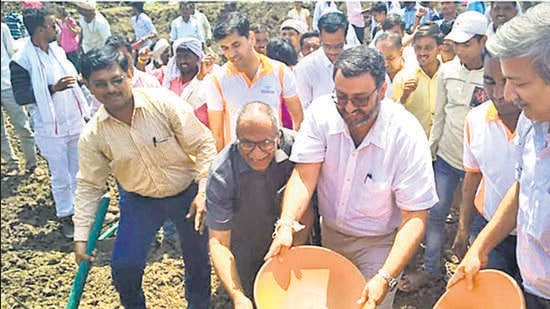
Beed was once known for the highest number of farmer suicides in the state; Mistry’s passing was no less personal.
The billionaire businessman’s personal philanthropy has been significant but without fanfaronade, rooted in the economic prosperity of rural India.
After he lost the chairmanship of Tata Sons in 2018, accompanied with Mayank Gandhi, founder of Global Parli project, he flew to Parli in his chopper to participate in the water farmer movement. The taluka had been hit by drought six times in eight years by then.
Accompanied by the social activist, Mistry examined and assessed the farmers’ work, addressed meetings with villagers and even rolled up his sleeves to plough the fields on a bullock cart and even carried a basket on his head when required. For the farmers it was no less than ‘shramdaan’.
Dr Harishchandra Vange, the go-to medico for villagers and a local social activist, said, “We were utterly traumatised when we heard about his accident. The farmers were in tears. It was as if they had lost one of their own. He was a down-to-earth person who wore his wealthy status rather lightly. He was empathetic towards all of them.”
Dr Vange remembered how Mistry worked like a labourer while constructing a pond for water harvesting. “That’s an example of a model philanthropist billionaire,” he said.
He had hosted a lunch at his home for Mistry at the time and fondly called him ‘Cyrus the Great’ after the King of Persia. Mistry arrived in a helicopter and savoured the puranpolis dished out for him. “He thanked us profusely for the meal and blessed the family,” added Dr Vange. Since the farmers could not travel for the funeral, they held shraddhanjali sabhas in respect for him in their individual villages in Parli on Monday.
Mukteshwar Khadbane, a farmer who grows custard apples, lemons, mulberry and guava, remembers Mistry’s personal interactions with them. “We did not even know he was such a big businessman and a billionaire. He spoke to us in Hindi. He was kind and open with all the farmers and wanted to understand how we worked in our fields. He worked with us in our fields and got involved in understanding water harvesting methods,” said Khadbane.
The businessman also gifted their wives saris and kitchen equipment to ease their work at home. There were chocolates for men and children.
Gandhi’s relationship Mistry started only after the latter had exited Tata Sons. Gandhi remembered Mistry as a sensitive and empathetic listener to the villagers’ problems. “He had suggested that instead of just giving water to villages, we should create a permanent solution through water harvesting and management. In the summer of 2018, we started a massive people’s movement to deepen and widen 70 kms of Paapnashi river and its tributaries, to make 162 farm ponds and work with the government to construct 62 small and five major dams, besides many other rural initiatives,” said Gandhi.
Mistry participated in all the discussions, directing the operations from his office. He donated ₹50 lakh for the water conservation project.
“While in the taluka, he visited Parli Vaijnath Jyotirling and performed Abhisekh pooja with great faith. He was beyond sectarian thoughts and a true believer in universal humanity. I found him to be a humble and successful businessman. We will miss his presence,” said Gandhi.
Stay updated with all the Breaking News and Latest News from Mumbai. Click here for comprehensive coverage of top Cities including Bengaluru, Delhi, Hyderabad, and more across India along with Stay informed on the latest happenings in World News.


