
 E-Paper



Wadia Hospital now offers treatment for kids with heart disease who survived to adulthood
The hospital authorities said the clinic, a first-of-its-kind facility in western India, was meant to be a transition care clinic

 Prefer HTon Google


MUMBAI: Bai Jerbai Wadia Hospital for Children, Mumbai’s only public charitable superspeciality hospital for kids, on Tuesday threw open its Grown-up Congenital Heart Disease (GUCH) or Adult Congenital Heart Disease (ACHD) clinic meant for follow-up treatment for children who are living with congenital heart disease.
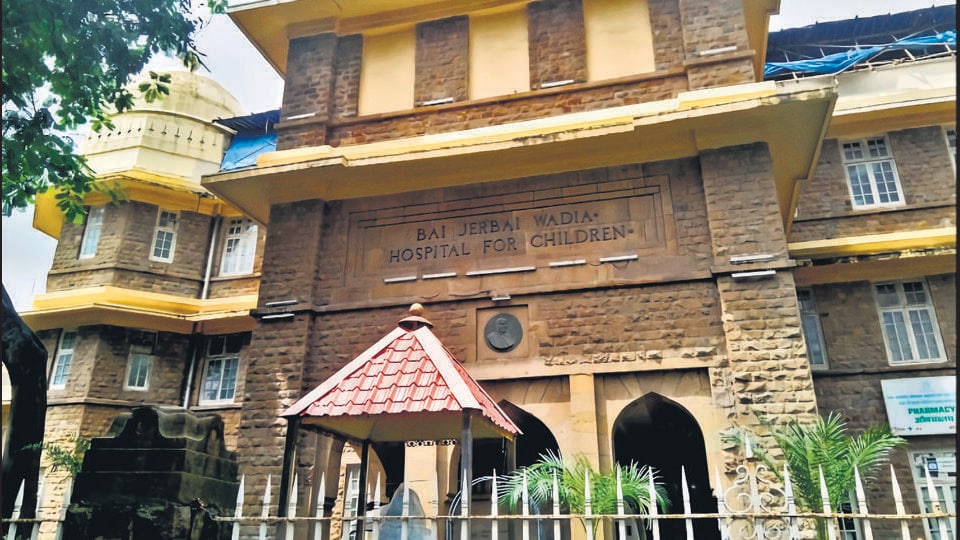
The hospital authorities said the clinic, a first-of-its-kind facility in western India, was meant to be a transition care clinic. “With major advances in diagnosis, cardiac surgery, catheter-based interventions, intensive care and neonatal care, many more children with congenital heart disease are now surviving well into adulthood,” said Wadia Hospital CEO Dr Minnie Bodhanwala. “This has created a new group of patients—adults who underwent surgery or interventions during childhood and now require specialised lifelong cardiac follow-up.”
Around eight to ten babies out of every 1,000 are born with heart ailments. Wadia Hospital, which treats over 1,000 children with congenital heart ailments annually, currently has about 15 to 20 adult congenital patients taking follow-up treatment.
The new GUCH/ACHD clinic is intended not only for these adult patients but also for the much larger group of adults with congenital heart disease who may have discontinued follow-up on reaching adulthood. The clinic expects to see a load of at least 90 to 100 patients per year to begin with.
“Congenital heart disease is a condition that begins at birth, but the need for cardiac care may continue well beyond childhood,” said Dr Kshitij Sheth, paediatric cardiologist at Wadia Hospital. “Childhood surgery or intervention does not always mean that the heart will never require attention again, and adults may have residual issues or develop recurrent ones related to previous surgeries or interventions.”
For patients who have undergone cardiac surgery or catheter-based treatment during childhood, the previously documented medical history is particularly important. “It provides a defined pathway for patients transitioning from paediatric to adult-oriented cardiac care,” said Dr Hetan Shah, adult cardiologist at Wadia Hospital. “Continuity of care is one of the most important objectives of the clinic. A patient’s previous diagnosis, operation, catheter intervention, imaging and complications provide extremely valuable information for managing them as adults.”
Dr Bodhanwala said she expected the clinic to progressively identify and bring back patients who require lifelong surveillance. “These are children who survived because of advances in paediatric cardiac care,” she said. “Now, as they grow into adults, it’s our responsibility to ensure that they do not fall through the gap between paediatric and adult medicine. This is the philosophy behind this initiative.”

Stay updated with all the Breaking News and Latest News from Mumbai. Click here for comprehensive coverage of top Cities including Bengaluru, Delhi, Hyderabad, and more across India along with Stay informed on the latest happenings in World News.


