
 E-Paper



Wearables, and the scary future that awaits us
There are wearables such as smart watches, for instance, that appear to know everything about us—from how many hours we’ve slept to our heart rates

 Prefer HTon Google


Mumbai: On February 2, 2024, when the Apple Vision Pro made its debut in the US, technology enthusiasts world over thought they just had a semi-religious moment. For those uninitiated about what this is, imagine a smartphone – but instead of holding it in your hand, you wear it like a headset. And like smartphones, these glasses can be used to play games, watch videos, get on social media, but more significantly, see the world around you with virtual objects or information appearing on top of it. It sounds pretty cool.
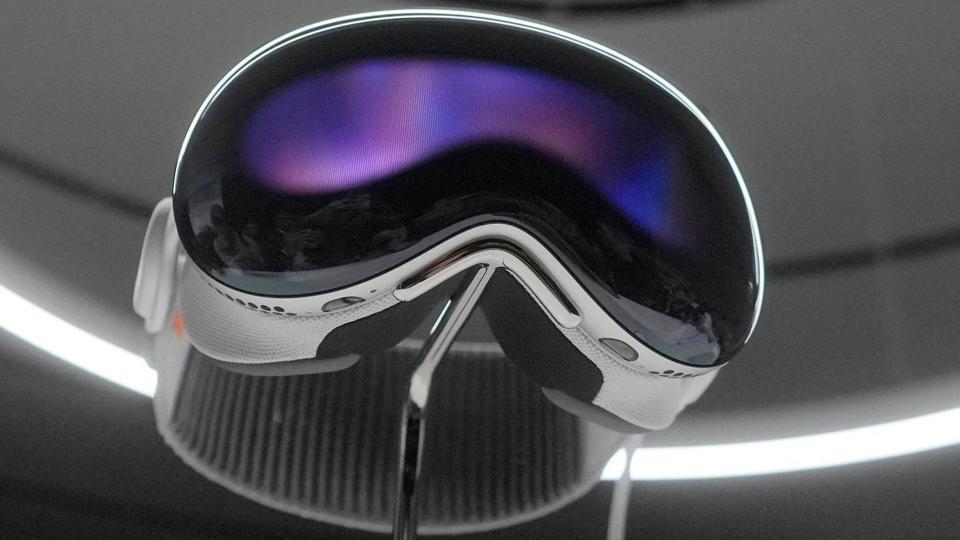
The upside is that children can learn faster because concepts can be explained more easily while adults can use them to amp up their productivity and stay abreast of the most recent professional developments. If nothing else, people can chat at virtual water coolers. But here’s the thing: This was the original promise of social media as well. What we now know is that it turned out to be a Faustian Bargain.
Then there are wearables such as smart watches, for instance, that appear to know everything about us—from how many hours we’ve slept to our heart rates. In a manner of speaking, this is intimate information our spouses and primary health care providers do not have access to—until something is the matter.
Fast forward to now. Carefully crafted algorithms have turned these devices into beasts, weaponising our data to manipulate our desires. Now, imagine that power amplified and woven into the very fabric of our daily lives, whispering tailored suggestions through our glasses or nudging our wrists towards certain choices – all based on an intricate understanding of our deepest selves, gleaned from the quantified lives we live.
This is because each time we consent to share our data, we do it because we are assured it is for benevolent reasons and will be used solely to improve our user experience. However, there is much opacity surrounding data usage and its scope. Until now, it has been data points such as heart rate and sleep patterns among others. But now with Vision Pro, we are looking at an altogether different future.
Take gaze tracking to begin with, and the potential this holds for targeted manipulation. Imagine advertisers crafting ads that resonate with your deepest insecurities, or even healthcare providers nudging you towards certain treatments based on what you look at (or choose to turn your eyes away from). For that matter, what if you’re walking down the street and are bombarded with targeted ads on your glasses based on your real-time emotional state? It’s a slippery slope, one where convenience melts into control, and personalisation morphs into manipulation.
Perhaps this is why it is time we became cautious and asked tough questions: Do we truly understand how our data is used? Are we comfortable with the level of intimacy these devices demand? How are we to know if it is being shared with third parties such as insurance companies? Imagine sleep data or heart rate fluctuations being used to deny insurance. The potential for misuse is vast and, frankly, terrifying.
But if the indicators are anything to go by, Indians don’t seem to care. When the research firm IDC was asked for a view, they pointed to their most recent data. Smartwatch shipments soared by almost 74% at the end of 2023 as compared to the previous year. The narrative was much the same for smart rings, a new contraption is in the market. Over one lakh purchases were made. Overall, a spokesperson for the company said, the wearable device market grew by 34% in India. In other words, 134 million devices of various kinds were purchased. We don’t know yet how people will take to the glasses.
What we do know is that there is a fight brewing for our attention. Apple wasn’t the first to create these glasses. As a thumb rule, it lets others do the hard work and then it gets into the fray. In this case, Meta was first off the block with Meta Quest 2 in 2020. After Apple’s launch, Mark Zuckerberg wrote a scathing review saying what a lousy product Apple had built. The war for our attention just got more bitter.


