
 E-Paper



Drought-hit Latur bans use of crop residue as industrial fuel
With drought declared across all 10 talukas of Latur, the administration has banned use of crop residue as industrial fuel and prohibited the sale and transportation of fodder outside the district

 Prefer HTon Google


PUNE: With drought declared across all 10 talukas of Latur district, the administration has banned the use of crop residue as industrial fuel and prohibited the sale and transportation of fodder outside the district to prevent a shortage of cattle feed in the coming months.
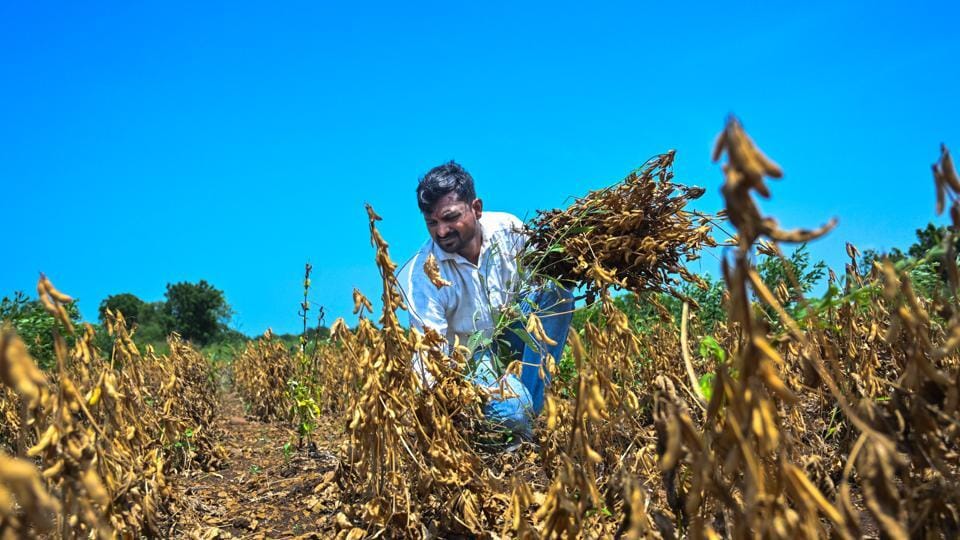
The order prohibits bio-coal projects, biomass energy plants, brick kilns, sugar factories and other industrial units from purchasing, storing or using crop residue suitable for animal feed as fuel. Such material must be reserved exclusively for livestock, the administration said.
District collector Bharat Bastewad said deficient rainfall and crop damage during the 2026 kharif season were expected to severely affect fodder production. Residues from soybean, jowar, maize, wheat, chickpea and tur, along with sugarcane trash and bagasse, would be crucial to meeting livestock’s nutritional needs.
Industrial units had been using substantial quantities of these materials as fuel, prompting the administration to restrict their use.
Bastewad, who also heads the district disaster management authority, issued the order on Friday under the Maharashtra Fodder (Export Control) Order, 2001, and the Disaster Management Act, 2005.
Authorities, including revenue, police, transport, agriculture and animal husbandry officials, have been authorised to conduct inspections.
Violators, including individuals, traders, vehicle operators and industrial establishments, will face legal action under the relevant fodder control, essential commodities and disaster management laws, as well as applicable provisions of the Bharatiya Nyaya Sanhita, 2023.
Latur plans fodder cultivation on 5,000 hectares
Meanwhile, the administration has launched a fodder cultivation initiative under the VB-G RAM G scheme to tackle the anticipated shortage of cattle feed and generate rural employment.
The district has more than five lakh livestock, while existing fodder stocks are estimated to last only two months. In the first phase, the administration aims to cultivate fodder on 5,000 hectares, with a potential output of two lakh metric tonnes.
Farmers with irrigation facilities will receive Mahabeej’s Speedfeed sorghum seeds free of cost. Those cultivating one to five acres can receive assistance of up to ₹1.21 lakh per acre towards cultivation expenses, including wages and agricultural inputs.
The crop is ready for its first harvest in about 55 days, followed by two more harvests at intervals of 35 to 40 days. Farmers can use the produce for their own livestock or sell it to other livestock owners. Bastewad said the administration had received applications covering more than 10,000 hectares and would issue work orders after verifying irrigation facilities.
Latur is expected to require around four lakh metric tonnes of fodder for its livestock through July 2027. Other planned measures include producing nutritious feed from sugar factory bagasse and purchasing undergrown sugarcane from farmers for use as fodder. Further cultivation will depend on water availability.


