
 E-Paper



Forest dept kicks off biodiversity mapping of Pune’s grasslands
The survey documented a total 49 butterfly species across the study area including the Common Grass Dart, Lineblues, Crimson Tip, Common Three-Ring and Common Five-Ring – species typically found in the open and dry grassland habitats of the Deccan plateau and western ghats.

 Prefer HTon Google


PUNE: On October 1, coinciding with the celebration of ‘Wildlife Week’, the Pune forest division has launched a systematic biodiversity assessment of Pune’s grasslands, marking a key step towards long-term conservation and sustainable management of these ecosystems. In the first phase, a butterfly survey was conducted in the grasslands of Indapur and Baramati tehsils including Kadbanwadi, Kumbhargaon, Bhigwan and adjoining areas like Shirsufal between October 1 and 4, led by Raju Kasambe, noted butterfly researcher and former assistant director at the Bombay Natural History Society (BNHS), Mumbai.
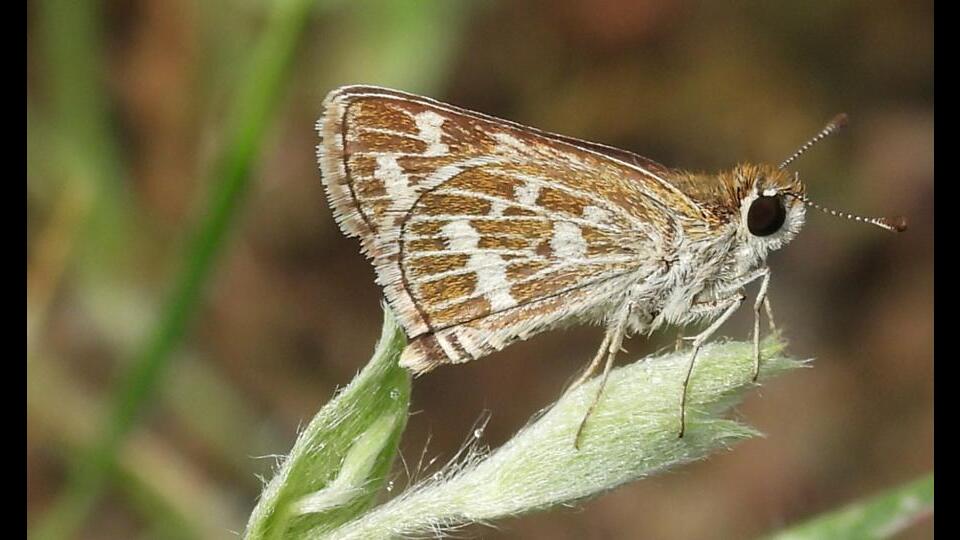
The survey documented a total 49 butterfly species across the study area including the Common Grass Dart, Lineblues, Crimson Tip, Common Three-Ring and Common Five-Ring – species typically found in the open and dry grassland habitats of the Deccan plateau and western ghats. Notably, species characteristic of arid grasslands such as the African Babul Blue and Bright Babul Blue were also recorded. The Lycaenidae family emerged as the most dominant group, followed by the Pieridae family, reflecting the rich diversity of semi-arid grassland ecosystems.
About the further process, Mangesh Tate, assistant conservator of forests, Pune forest division, said, “Currently, we are implementing the first phase of the broader study under which we recently carried out a butterfly survey. In the next 10 days, we will also survey the grass species, trees and shrubs in these grassland areas. The second and third phases will be conducted during winter and summer, respectively, to study seasonal variations in species diversity. All activities are being carried out in a scientific and well-structured manner.”
An official from the forest department said on condition of anonymity, “The year-long study will help document the biodiversity of Pune’s grasslands, providing crucial data to guide future policies on conservation and sustainable development in these ecosystems.”
While there has been no detailed scientific assessment of biodiversity in Pune’s grassland areas so far, the working plan prepared by the department in 2021–2022 recorded the presence of eight butterfly species in these habitats. Forest officials clarified that the earlier survey was not species-specific but aimed at a broader biodiversity overview, and therefore followed different parameters and methods.
Grasslands play a crucial role in maintaining ecological balance — they serve as vital habitats for numerous flora and fauna, and as carbon sinks; support pollinators; and sustain the livelihoods of pastoral and farming communities. The Pune forest division has undertaken habitat restoration and developmental works across the region’s grassland areas. To promote eco-tourism and highlight the value of these ecosystems, safari projects have been launched in designated grassland regions. These initiatives not only generate employment opportunities for local communities but also help raise public awareness about the significance of grassland conservation.


