
 E-Paper



Pune RTO stats show sharp rise in adoption of electric vehicles
EV numbers witnessed a steep jump from around 12,737 in FY 2024–25 to 37,808 in FY 2025–26; nearly a threefold increase within a single year

 Prefer HTon Google


The Pune Regional Transport Office’s (RTO’s) financial year-wise vehicle registration statistics for 2024-25 and 2025-26 point to a sharp and sustained rise in the adoption of electric vehicles (EVs), reflecting a major shift in consumer preference towards cleaner and more reliable mobility options. This surge has been strongly supported by state government incentives, including subsidies on EV purchases and toll exemptions on key infrastructure projects such as the Samruddhi highway and Mumbai’s Atal Setu. These measures have significantly reduced the overall costs of ownership, making electric vehicles an increasingly attractive option for buyers across segments.
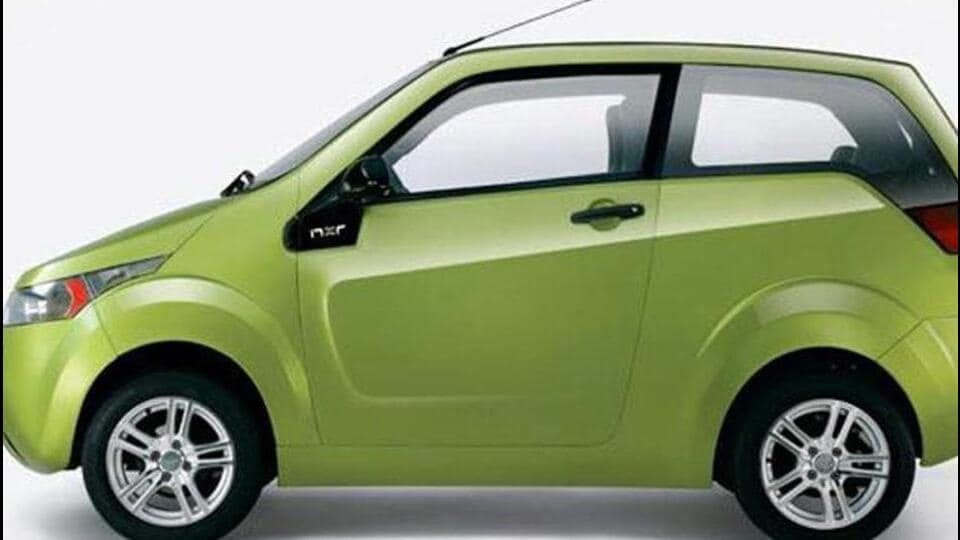
At the same time, the global geopolitical situation and ongoing conflicts have contributed to rising concerns over fuel price volatility and the possibility of supply disruptions. With petrol and diesel prices closely linked to international developments, many consumers are opting for electric vehicles as a safeguard against future uncertainties. According to Swapnil Bhosale, deputy regional transport officer of the Pune RTO, “The financial year data clearly shows a significant behavioural shift among consumers. While government subsidies and toll exemptions have encouraged adoption, the uncertainty caused by global conflicts and the fear of fuel price escalation have also played a crucial role in pushing people towards electric vehicles.”
The impact of these factors is clearly visible in the registration data, with EV numbers witnessing a steep jump from around 12,737 in FY 2024–25 to 37,808 in FY 2025–26; nearly a threefold increase within a single year. Electric two-wheelers and passenger cars have emerged as the primary drivers of this growth, indicating that both daily commuters and private vehicle owners are increasingly embracing electric mobility for its cost efficiency and long-term reliability.
Consumers who have recently transitioned to electric vehicles echo similar sentiments. Sachin Alande, an information technology (IT) professional who purchased an EV, said, “I decided to switch mainly because of the uncertainty around petrol prices. With an electric car, my running costs are much more predictable, and I feel more secure about future expenses.”
Similarly, college student Pooja Nanda, who opted for an electric two-wheeler, said, “For my daily commute, an electric vehicle is far more economical and convenient. I don’t have to worry about sudden fuel price hikes anymore.”
Industry stakeholders also attribute the growing demand to rapid technological advancements in the EV segment. Pawan Dahinje, a dealer manager from a leading automobile showroom in Pune, noted, “Over the past year, there has been significant improvement in electric vehicle software, battery management systems, and overall performance. At the same time, mechanical issues have reduced considerably, which has increased customer confidence and contributed to higher sales.”


