
 E-Paper



Taste of Life: Impact of Mahatma Gandhi’s fasts in Pune
Mahatma Gandhi undertook five fasts during his years in Pune, four of which took place while he was imprisoned at Yerwada Central Jail and one during his internment at the Aga Khan Palace

 Prefer HTon Google


On the morning of April 30, 1933, Devdas Gandhi, son of Mahatma Gandhi, brought an urgent dispatch to the office of the Marathi daily “Dnyanaprakash” in Pune. Recognising the gravity of the development, the editor decided at once to bring out a special extra edition. By four that afternoon, freshly printed copies rolled off the presses, and before long, the news swept across the city from its western quarters to its eastern edges.
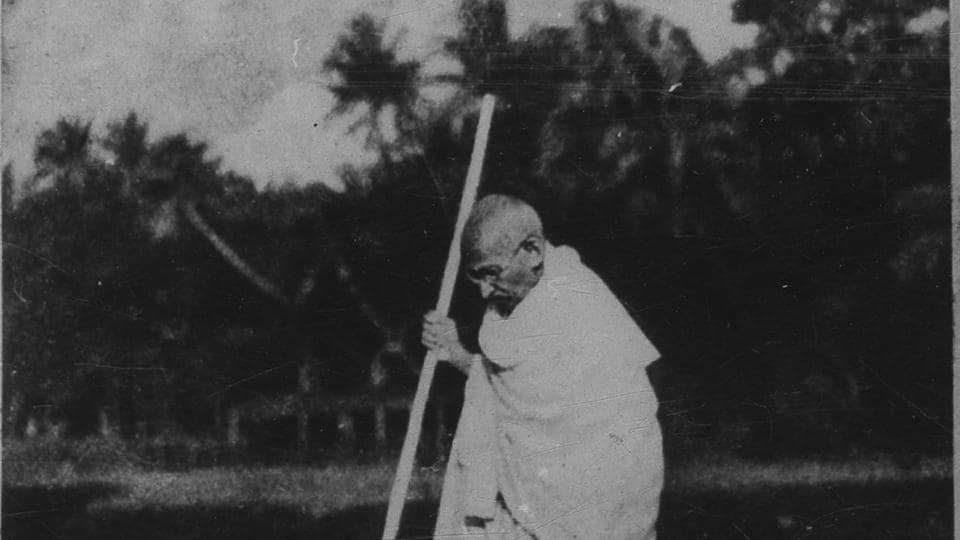
From within the walls of Yerwada Central Jail, Mahatma Gandhi had issued a public letter declaring his resolve to undertake a twenty-one-day fast. In the statement, Gandhiji wrote: “A tempest has been raging within my heart for the past few days. I strove to resist it, but at last, on the eve of Harijan Day, the inner voice grew unmistakable and commanded, ‘Why do you not act upon it?’ I resisted that too, but in the end, all resistance proved futile, and I resolved to undertake an unconditional, unbroken fast of twenty-one days.”
In this declaration, Gandhiji set forth the reasons for the fast, its purpose, its boundaries, and the duties falling upon his fellow citizens. The uplifting of the so-called “depressed classes” was at the centre of the fast. He made it plain that the fast was an act of self-purification, directed against no individual or opponent. The vows taken in the emotional wake of the Poona Pact were being forgotten, and he felt that only an intense moral churning could rekindle that dying flame. In closing, he asked friends across India and beyond its borders to offer prayers so that he might safely endure this fast, and that the cause for which the pledge was taken might find true fulfilment.
Gandhiji assured his readers that he had no desire to die, expressing faith that God would grant him the spiritual sustenance needed to weather the trial. He voiced hope that this act would reassure traditionalists that the “movement for the Harijans” was entirely moral and free of political design. Finally, he issued a firm plea that no one else should join him in fasting.
Mahatma Gandhi undertook five fasts during his years in Pune, four of which took place while he was imprisoned at Yerwada Central Jail and one during his internment at the Aga Khan Palace. The first was his historic fast unto death at Yerwada Jail from September 20 to September 26, 1932, against the provision in the British Communal Award for separate electorates for the “Depressed Classes”, ending with the Poona Pact between BR Ambedkar and caste Hindu leaders. He fasted again in Yerwada from December 3 to 4 that year in solidarity with Appasaheb Patwardhan over prison sanitation work. The fourth fast in Yerwada followed from August 16 to August 23, 1933, protesting restrictions on his “Harijan” work from prison. The fifth came a decade later, in 1943, when Gandhiji undertook a twenty-one-day fast from February 10 to March 3 while detained without trial at the Aga Khan Palace during the Quit India movement.
In December 1932, Gandhiji had also prepared to fast over temple entry at Guruvayur in Kerala, postponing it when a referendum showed overwhelming local support and shifted the issue toward legislation.
Contemporary press reports suggest that once the fast over the Poona Pact concluded in 1932, a wave of goodwill and concern for the uplift of the so-called “Depressed Classes” began to stir among the public. There was also the fear that Gandhiji would undertake another fast in a bid to abolish untouchability.
To avert such an ordeal, on December 2, 1932, a group of young men in Pune gathered to take a solemn pledge, resolving to visit only those temples that welcomed “untouchables”. According to “Dnyanaprakash” (January 3, 1933), 78 caste Hindu men and women resolved to fight untouchability in Pune, pledging to attend community meals with members of the so-called “lower castes” and attend only inter-caste marriages.
Although Gandhiji’s fast had awakened public conscience and prompted a few temples to open their doors, such changes were rarely seen in rural areas. To build widespread awareness so that village schools, wells, ponds, and temples could be opened to the so-called “untouchables” without resistance, an Anti-Untouchability Conference was organised at Kalamb in Pune district in December 1932, led by local reformers from Ranmodwadi village.
In Satara, however, orthodox conservatives convened a public meeting on December 27, 1932, to register their firm protest against temple entry for the “Depressed Classes”. They argued that Gandhiji’s vow of fasting over temple entry was contrary to the tenets of the Dharmashastras and struck a blow at age-old tradition, appealing to him not to wound the religious sentiments of orthodox believers.
On May 1, 1933, Gandhiji sent a telegram to the Government of India formally notifying them that he would subsist solely on water, soda, and salt during the upcoming fast. That same day, correspondents from several newspapers interviewed Gandhiji inside Yerwada Jail. Addressing the press, he explained: “My fast in September of last year was conditional. However, this intended fast has not been undertaken to bring about any specific constructive event.”
News of Gandhiji’s resolve prompted telegrams from India and abroad, many pleading with him to reconsider. Rabindranath Tagore sent an appeal, alongside students from Britain and the United States. Sarojini Naidu, Madhavrao Aney, the acting Congress President, and other Congress leaders immediately reached Pune to persuade him to take back his decision. He told Naidu and others that it was evident to him that the pledges made by caste Hindus to eradicate untouchability had remained unfulfilled, and that it was this moral failure that compelled him to undertake the fast.
In the week leading up to the fast, Gandhiji had already lost five pounds; he weighed ninety-three pounds when the fast began, according to newspapers.
Gandhiji was still a political prisoner, but contemporary reports indicate that the government was unwilling to assume responsibility for his death in custody, and he was released on May 8. Upon his release, he was brought to “Parnakuti”, the residence of Lady Thackersey in Pune.
Moved by the fast, communities across towns such as Pune, Ahmednagar, Nagpur, and Nashik gathered in prayer for Gandhiji’s well-being. Significantly, these public gatherings took place within temples that had opened their doors to the so-called “untouchables”. Several men and women across the country fasted with him. Beginning on May 8, Raghunathrao Talegaonkar commenced an eight-day fast to express solidarity with him and to pray for his strength and good health. Radhabai Bhide, who had fasted with Gandhiji in 1932, fasted on this occasion too. The so-called “untouchable” students of the Maharashtra Vidya School observed a day-long fast of their own.
At Sabarmati Ashram, Kasturba commenced a fast, while in Ratnagiri jail, Appasaheb Patwardhan began one as well.
Public gatherings continued across Pune to pray for his health. On May 9, 1933, hundreds of men and women gathered at Shivaji Mandir under the presidency of Aney to offer prayers.
Over the course of the twenty-one-day fast, Gandhiji’s frail body bore a heavy physical toll. By the time he broke the fast at “Parnakuti” on May 29, his weight had fallen to just eighty pounds. Contemporary reports described him as extremely weak, and his recovery required prolonged rest under medical observation.
Chinmay Damle is a research scientist and food enthusiast. He writes here on Pune’s food culture. He can be contacted at chinmay.damle@gmail.com


