
 E-Paper



Taste of Life: When Phule’s “Satyashodhak Samaj” fed kids during famine
In order to articulate the grievances of the neglected section of Maharashtrians, create awareness and induce them to fight for justice and equality, Phule and his associates established the “Satyashodhak Samaj“ (Society of seekers of truth) on September 24, 1873

 Prefer HTon Google


Savitribai and Mahatma Jyotirao Phule occupy a unique position among the social reformers in India. Besides running schools, they opened maternity homes, and homes for widows and orphaned children.
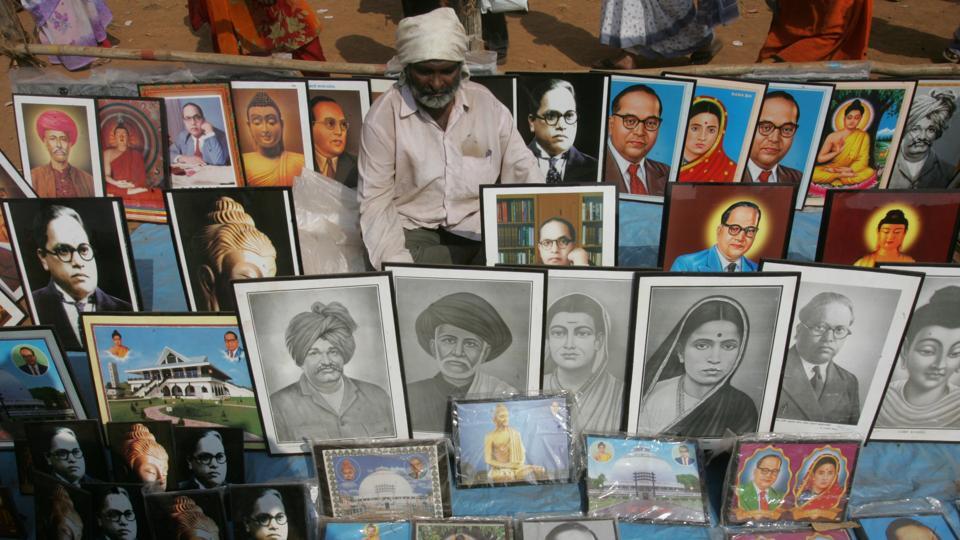
In order to articulate the grievances of the neglected section of Maharashtrians, create awareness and induce them to fight for justice and equality, Phule and his associates established the “Satyashodhak Samaj“ (Society of seekers of truth) on September 24, 1873.
The samaj was to work for the emancipation of the “Shudras” from what Phule called, the “slavery” of the Brahmins and to destroy the religious and social bondage of so-called “lower castes”. A “satyashodhak” was to be a seeker of truth whose reference was humanity and concern for truth, and not traditional values. “Satyashodhak Samaj” soon grew into a mass movement on the strength of its fight against Brahminical domination.
On May 24, 1877, an appeal by Phule appeared in the Marathi newspaper “Jnanaprakash”. It was addressed to the members of “Satyashodhak Samaj in Bombay, Pune, etc”. It informed them that the “Samaj” had decided to start a food shelter called “Victoria Balashram” in a village named Dhanakavadi near Pune.
Pune, and the entire Bombay Presidency, were then fighting a severe drought. The Great Famine of 1876-78 began after an intense drought resulted in crop failure in the Deccan plateau. It affected the British-administered presidencies of Bombay and Madras, and the princely states of Mysore and Hyderabad. In 1877, famine came to affect regions northward, including parts of the Central Provinces and the North-Western Provinces, and some areas in Punjab. It is estimated that India lost four million lives during the famine.
Under the rule of the East India Company, famines were severe and frequent. Famines usually followed massive crop failures resulting from drought. Food availability in the affected region would be reduced and the rural economy would be disrupted. Landless agricultural labourers would be left without any work as field activity would come to a standstill. At the same time, hunger would force many into casual labour. The regular export of grain by the colonial government continued during the famine which made the region vulnerable.
In 1877, the grain dealers in Bombay presidency and Khandesh shut their shops for fear of being plundered by the populace. On October 9, 1876, “Jnanaprakash” reported that letters were received from correspondents from places like Sholapur, Nasik, Jalgaon, Dharwad, and Pune giving accounts of the distress prevailing in those areas. Relief efforts by the government were at best half-hearted and lacked any effectiveness.
Considering the proclivities of the people of India, it was only natural when, in 1876, the distress became severe that private charity was more prompt than the government in providing food for the famishing.
Mrs Grant, the wife of the Collector of Sholapur, opened “Dudhkhana” for feeding helpless children. European ladies in Poona and Bombay created a fund to supply clothes to the women of the distressed districts. Several relief funds were started in other districts as well. Philanthropists like Seth Moorarjee Gokuldas and Jamshedjee Jeejeebhoy donated huge amounts to start food shelters in Sholapur and Bombay respectively. The volunteers of “Sarvajanik Sabha”, headed by Justice Mahadev Govind Ranade, travelled extensively throughout Maharashtra and the southern parts of India to survey the situation. These volunteers sent their reports to the government every week in a hope that it would step in with relief measures. Seeing no action being taken from the government, the volunteers took it upon themselves to distribute clothes and grains (bajra and jowar) to the affected.
Savitribai, Jyotirao, and their associates too immediately rushed into action. Savitribai took to touring the Deccan to provide help. Accompanying her were RB Krishnaji Pant and Lakshmanshastri, both members of the “Satyashodhak Samaj”.
Savitribai’s letter mentions that members of “Satyashodhak Samaj” had formed committees to provide food, water, and clothes to the people affected by the famine. The relief squads would travel from one village to another with “jowar bhakaris” and water.
Savitribai wrote to Jyotirao from Otur, Junnar, on April 20, 1877. “The year 1876 has gone, but the famine stays in the most dreadful form. People are dying; animals are dying and falling to the ground. There is no food for people and no fodder for animals. Wells, lakes, and rivers have dried up; there is no water. People are forced to leave their homes. They are selling their children for food. They cry for help, they cry for water, they cry for food in the unbearable heat”.
She informed Jyotiba that moneylenders were exploiting the situation. As a result, riots would break out at regular intervals. The Collector deployed European soldiers to take control of the situation. The soldiers arrested the volunteers of the “Satyashodhak Samaj”.
Upon hearing this, Savitribai rushed to meet the Collector. She asked him why the volunteers, who were helping the needy, were arrested. The Collector realised that the European soldiers had made a mistake and ordered them to release the volunteers immediately. Savitribai made the Collector aware of the grave situation in the villages where the British government had not made any attempts to provide help. He immediately made arrangements to send a few cartloads of jowar to the villages mentioned by Savitribai.
Savitribai’s letter ends on a note which reflects her strong love and respect for her husband and his exemplary work. “You have started the benevolent and welfare work for the poor and the needy. I also want to carry my share of the responsibility. I assure you I will always help you. I wish the godly work will be helped by more people. Yours, Savitri.”
Jyotirao had thought of starting a food shelter for children in Pune. Dr Shivappa Rajanna, who later went to Baroda as Maharaja Sayajirao Gaikwad’s personal physician, was the municipal health officer then. Phule met him and put forth his idea of starting a food shelter. Rajanna immediately gave the permission and assured him of every possible help.
In the appeal to generate funds for “Victoria Balashram”, Jyotirao wrote - “Because of the drought, people are unable to feed their young children and are leaving them on the streets. People, from Indapur, Miraj, and Tasgaon, belonging to non-Brahmin castes, are coming to Pune in search of food and water. However, clothes and food are scarce in Pune at the moment. People do not get to eat for two or three days at a stretch. One can see scraggly, half-naked children, weakened by starvation, roaming across the city begging for food. It pains me to describe the situation in detail. We request you to kindly donate generously for the cause and lend your support to the upkeep of humanity”.
“Satyashodhaks” from all over Maharashtra sent help to start the shelter. Ramshetjee Urawane, the treasurer of the Samaj, gave a large donation. Rao Bahadur Hari Raoji Chiplunkar, one of the founding members of the Samaj, sent monetary help every week.
Most of the children living in the Balashram were aged between two and twelve. There were some widows and elderly people too who were accommodated on the premises. Every day, they were given bhakari and dal for lunch and dinner. Women from the Samaj, as well as from the drought-affected areas, took turns cooking. “Victoria Balashram” was functional till December 1879. It was one of the many philanthropic activities carried out by the Phules and the “Satyashodhak Samaj” successfully. While we are celebrating the 150th anniversary of the Samaj, it would be worthwhile to remember and try to imitate the immense work carried out by the Samaj.
Chinmay Damle is a research scientist and food enthusiast. He writes here on Pune’s food culture. He can be contacted at chinmay.damle@gmail.com


