


 Live Score
 Cricket Teams
 Cricket Players
55* on India debut, cap received from MS Dhoni, played under Shane Warne; dramatic disappearance after one ODI
A finger injury cost him the 2004 U19 World Cup; years later he led Vidarbha to back-to-back Ranji titles and finished with 9,184 first-class runs.

 Prefer HTon Google


There was a point in Indian cricket when Suresh Raina, Dinesh Karthik and a young left-handed opener from Nagpur were travelling through the same age-group system, sharing dressing rooms and imagining roughly the same destination. Raina even remembered rooming with him and Karthik during an India Under-17 tour of Sri Lanka, long before all three knew how differently their careers would eventually unfold.
A few years later, another gifted Indian generation was preparing for the 2004 Under-19 World Cup in Bangladesh. The squad included Shikhar Dhawan, Ambati Rayudu, Raina, Karthik, Robin Uthappa and RP Singh, and the Nagpur batter was supposed to be part of it too until a finger injury ruled him out shortly before the tournament.
Raina later recalled seeing his old teammate cry after losing his World Cup place and trying to console him by saying there was still a long career ahead. Dhawan went on to dominate that tournament, while several players from the group eventually established themselves with India; the injured opener, meanwhile, had to return to domestic cricket and start again.
Deep Dive

The setback was particularly cruel because he had already shown how much promise he carried. Only months earlier, as an 18-year-old, he had made 151 on his first-class debut for Vidarbha, an innings that appeared to place him on the same upward curve as several of the young players around him.
That batter was Faiz Fazal, and his road to India would eventually become far longer than almost anyone from that generation could have imagined. While many of his contemporaries moved quickly towards international recognition, Fazal became one of those cricketers who kept accumulating runs beyond the national spotlight without quite forcing open the door.
There were occasional glimpses of the bigger stage. Fazal represented Rajasthan Royals in the IPL, shared a dressing room with Shane Warne and played alongside Rahul Dravid, the batter he had idolised growing up, before later spending three seasons with Railways and eventually returning to Vidarbha.
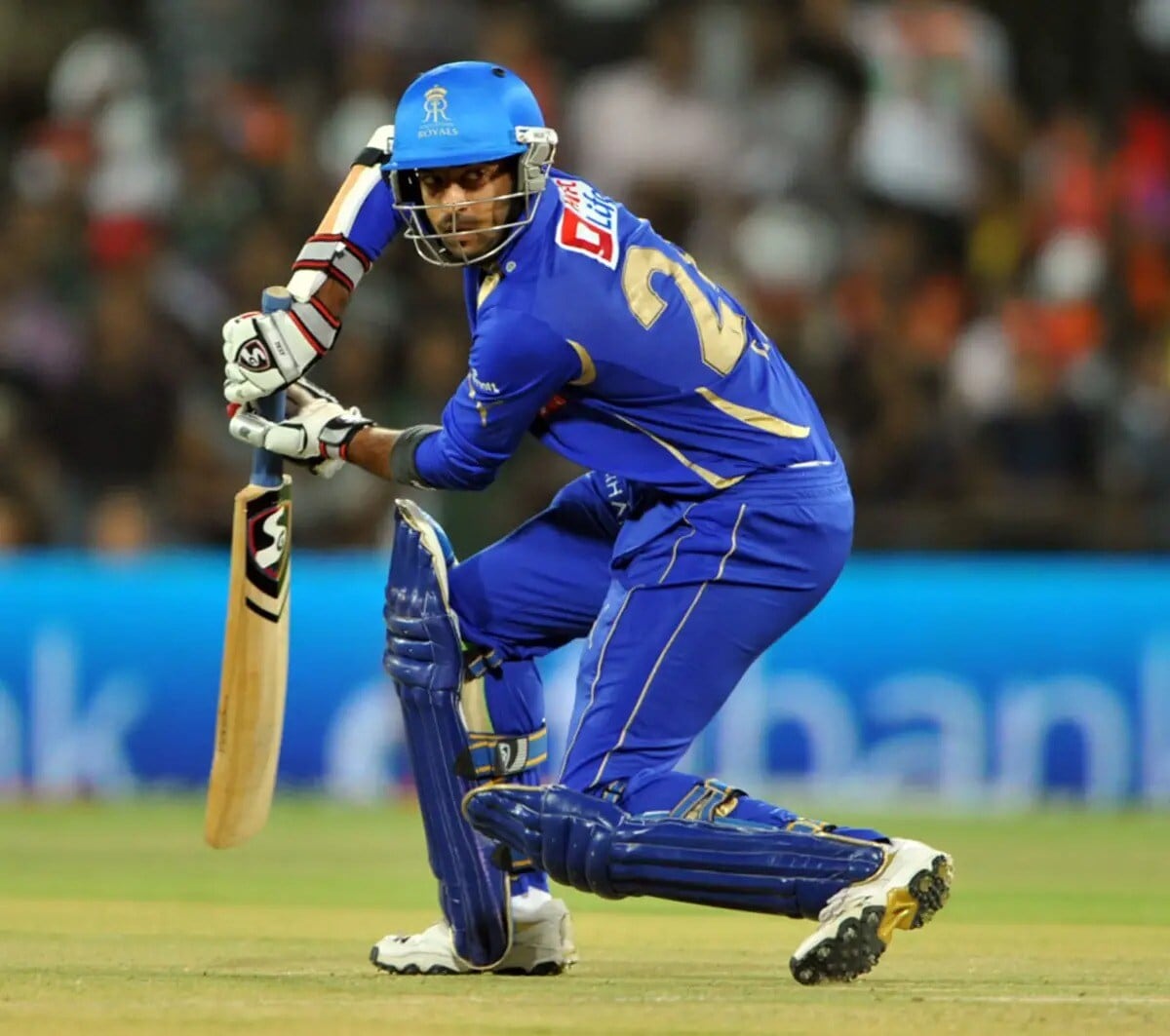
Back home, he increasingly became the centrepiece of Vidarbha's batting. In the 2013-14 Ranji Trophy, he scored 845 runs at an average of 65, yet by then he was approaching 30, an age at which an uncapped Indian batter could reasonably wonder whether the international opportunity would ever arrive. Fazal later admitted that he had stopped expecting a senior India call-up. More than a decade had passed since his first-class debut, younger players had moved ahead, and his performances continued to live largely in domestic scorecards rather than national selection meetings.
The season that finally opened India's door
The 2015-16 season changed everything. Fazal scored heavily for Vidarbha before producing two performances in major domestic matches that finally made it difficult for the selectors to look elsewhere. In the Deodhar Trophy final, he struck 100 for India A while opening alongside Murali Vijay, helping his side beat India B. Then came an even bigger innings against Ranji Trophy champions Mumbai in the Irani Cup, where Fazal produced one of the defining efforts of his career.
Rest of India had conceded 603 and were eventually faced with an enormous fourth-innings chase. Fazal occupied the crease for nearly seven hours, scoring 127 from 280 balls and laying the foundation for a remarkable pursuit that ended with Rest of India reaching 482 for six.
More than 12 years after his first-class debut, India finally called him for the Zimbabwe tour in 2016. It was a heavily rotated squad without Virat Kohli, Rohit Sharma, Shikhar Dhawan, Ajinkya Rahane and several other senior players, but MS Dhoni remained as captain, and Fazal finally had the opportunity he had spent most of his career chasing.
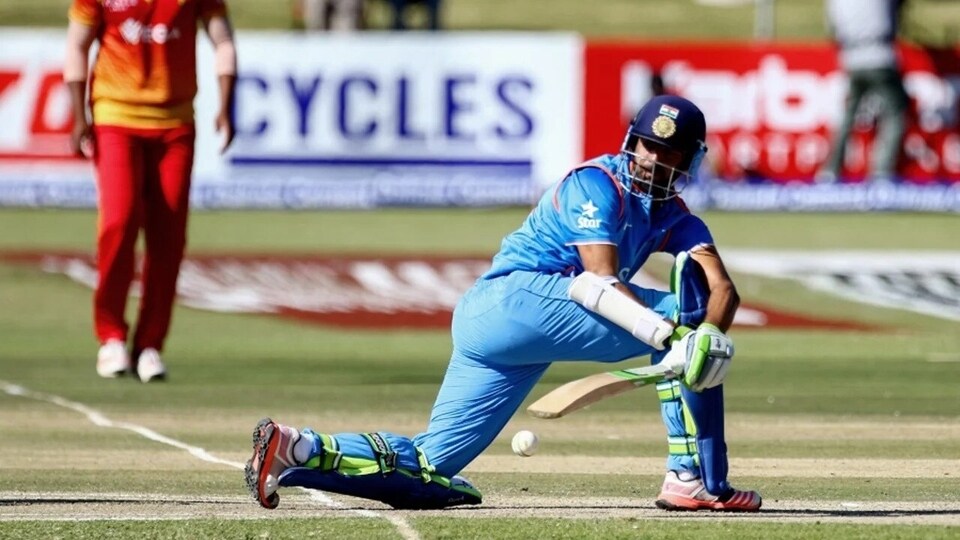
On June 15 in Harare, Dhoni handed the 30-year-old Fazal the India ODI cap No.214. Fazal later recalled becoming emotional during the presentation, while Ambati Rayudu noticed the tears and teased him before Dhoni simply told the newcomer to continue doing what had brought him this far. India required only 124 to complete the series sweep, and Fazal walked out to open with KL Rahul. Rahul made an unbeaten 63, while Fazal struck seven fours and a six in an unbeaten 55 from 61 balls as India cruised to a 10-wicket victory.
Fazal even struck the winning boundary, completing what appeared to be the perfect beginning to an international career. He had waited more than a decade for that opportunity, scored a half-century on debut and walked off without being dismissed, giving India no obvious reason to consider the experiment a failure.
Yet that innings also became his last. There was no disastrous second appearance, no run of failures and no visible collapse in form that ended his India career; once the established players returned, Fazal simply disappeared from the squad. His international record was therefore frozen forever at one match, one innings, 55 runs and zero dismissals. The cruellest part of the story was that his cricket did not decline after losing his India place; instead, he produced arguably the strongest phase of his entire career.
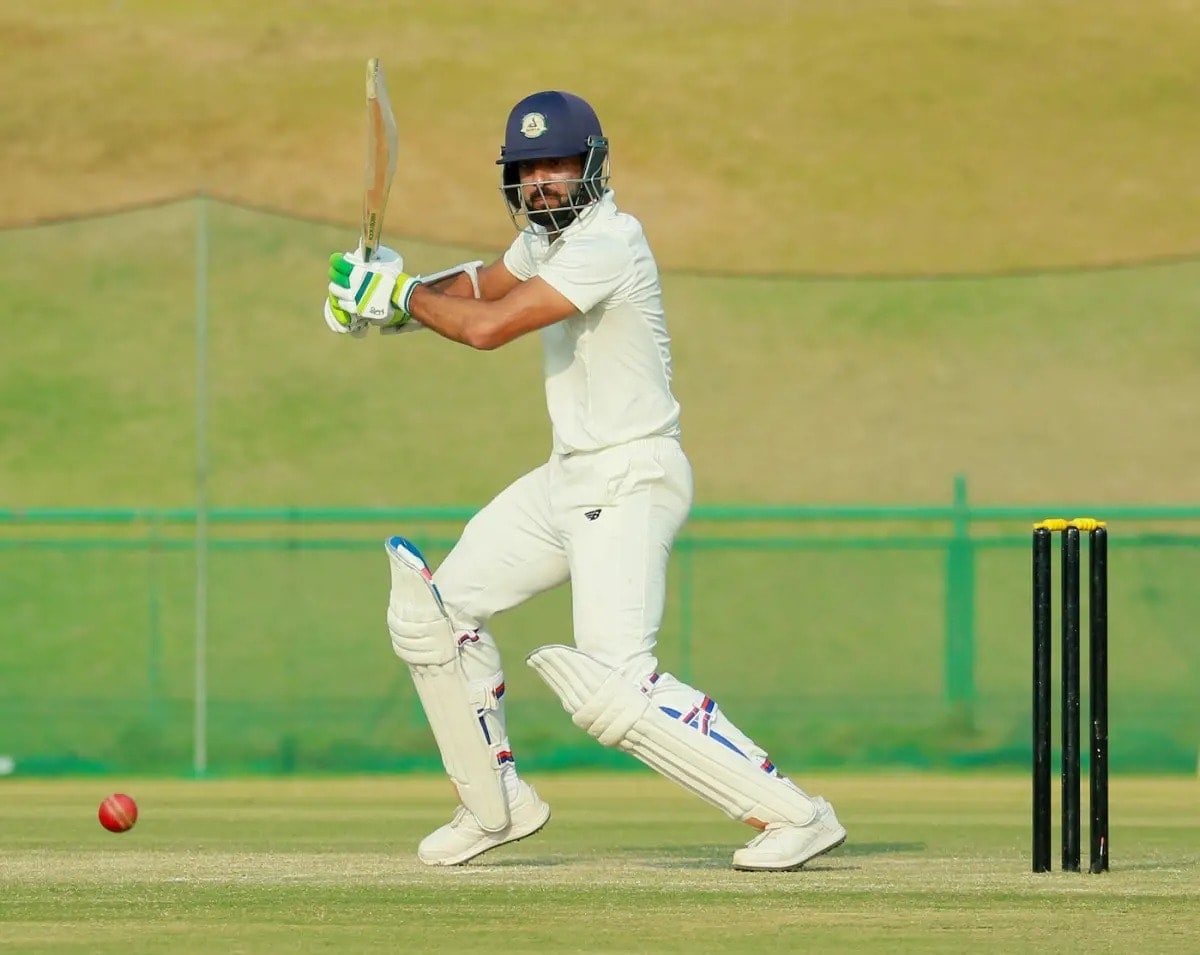
Captaining Vidarbha in the 2017-18 Ranji Trophy, Fazal amassed 912 runs at an average above 70, including five centuries. He then led them to their maiden Ranji Trophy title, beating a Delhi side captained by Rishabh Pant in the final while contributing 67 himself.
Vidarbha did not stop with one breakthrough season. They defended the Ranji Trophy the following year and also won consecutive Irani Cups, with Fazal and veteran Wasim Jaffer forming part of the experienced core that transformed the team from domestic outsiders into the dominant side of that period.
Even after those achievements, Fazal still believed Test cricket might remain possible if he continued scoring runs. The call never came, despite a first-class career that continued well beyond his brief international appearance and eventually stretched across more than two decades.
When Fazal retired in 2024, he had scored 9,184 first-class runs, including 24 centuries and 39 fifties, and finished as Vidarbha's leading run-scorer in both first-class and List A cricket. The teenager who once shared India's junior pathway with Raina, Karthik and Dhawan eventually became one of the most important cricketers in Vidarbha's history, even though the national team saw him only once. That is what makes his career different from the usual story of a player who failed to take his chance. India gave Fazal just one innings, and he responded with an unbeaten 55 in a 10-wicket victory; everything he did afterwards only made the absence of a second opportunity harder to understand.


