Live Score
 Cricket Teams
 Cricket Players
ICC changes playing conditions: Batters to face penalty for wasting time; pink ball can be used in day Tests upon mutual agreement
The ICC announced a series of changes to its playing conditions. Here's all you need to know.

 Prefer HTon Google


The International Cricket Council (ICC) on Thursday announced a series of changes to the playing conditions across formats, including time-wasting by batters. The ball specifications have been standardised, and some aspects of fielding have also got a touch-up . The changes will come into effect with series starting October 1 or later, which means the third and final ODI between India and the West Indies will be played as per previous regulations, having started on September 27.
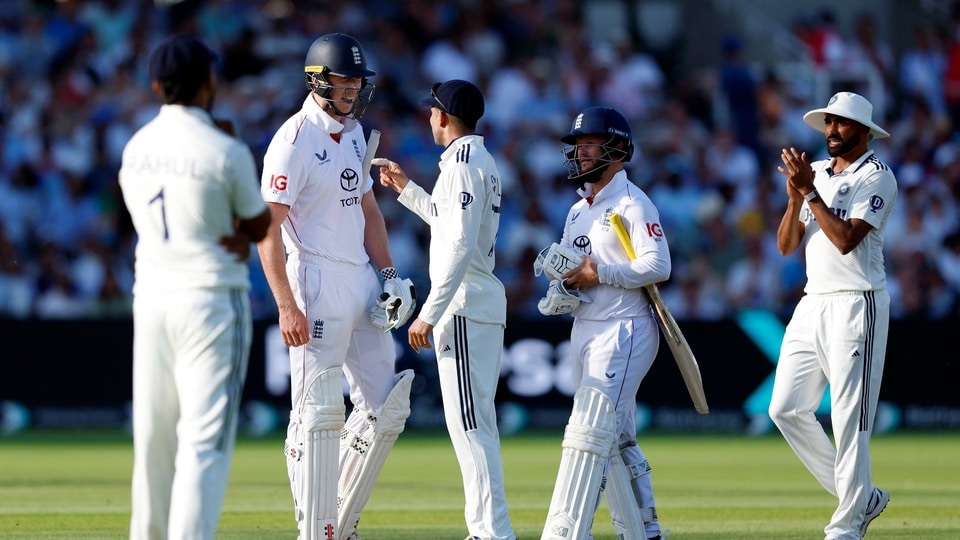
According to the official release issued by the ICC, if a batter is not ready to face the delivery within the prescribed time, then a warning will be issued for the first offence, and a second offence will result in the final warning. Five penalty runs will be awarded to the fielding side for the third and subsequent offences. A code of conduct provision may also be invoked in case of repeated offences.
Last year, during the Anderson-Tendulkar Trophy between India and England, Zak Crawley and Shubman Gill were involved in an ugly exchange at Lord's Cricket Ground after the Indian captain lost his cool upon seeing Crawley and Ben Duckett wasting time towards the close of play.
The umpires will now also have greater leeway in determining whether a ball is finally settled. “For a ball to be considered held by a fielder for a run-out or stumping, the fielder must have complete control of the ball. Merely touching the ball with the hand while it breaks the stumps does not establish holding it,” the ICC stated in its official release.
Changes in Test cricket
Pink balls can now be used in daytime Tests, but it will depend on mutual agreement. The move has been allowed to reduce the loss of play due to bad light. “The use of a pink ball must be agreed before the start of the Test, and once agreed, must apply for the duration of the match. The decision cannot be changed after the match has started. Switching from red to pink ball is also not allowed once the match has commenced,” the ICC stated.
The play will no longer automatically come to an end after the fall of a wicket in the last over of the day. If the over has not been completed, and the weather allows for the rest of the deliveries to be bowled, then the bowling team must finish the over. This change has been made because it does not save time, as the remaining deliveries still need to be bowled the next day, while it will also reward the fielding team and keep drama in the game.
T20I-centric rules
In T20I cricket, there is now a fixed 15-minute interval. This can be reduced to a minimum of 10 minutes when time is lost. The ODI and T20I playing conditions are now aligned to allow the ‘Head Coach or their designate’ to enter the field of play at drinks intervals. The leg-side wide trial has also been added permanently to the white-ball playing conditions.
“There are some important changes to the Playing Conditions, including provisions relating to cricket balls, greater clarity around certain aspects of fielding and measures aimed at improving the pace of the game," Sourav Ganguly, ICC Men’s Cricket Committee Chair, said.
“These changes have been carefully considered to ensure the Playing Conditions continue to reflect the needs of the modern game while maintaining its integrity and consistency. I am pleased with the quality of the discussions throughout the process and the constructive approach taken by all the committee members," he added.