
 E-Paper



Delhi airport’s new full-body scanners sensitive to Indian attire, trials on
The scanner will not sound an alert but will produce an X-ray image for the screening staff, who will decide if the passenger is hiding any suspicious item.


The new body scanner, which the Delhi airport is set to try this month will be sensitive to jewellery, saree and Indian-wear with metallic embroidery, officials said. A week-long trial run with dummy passengers has already been conducted last month and trial with real passengers is likely to happen by month end.
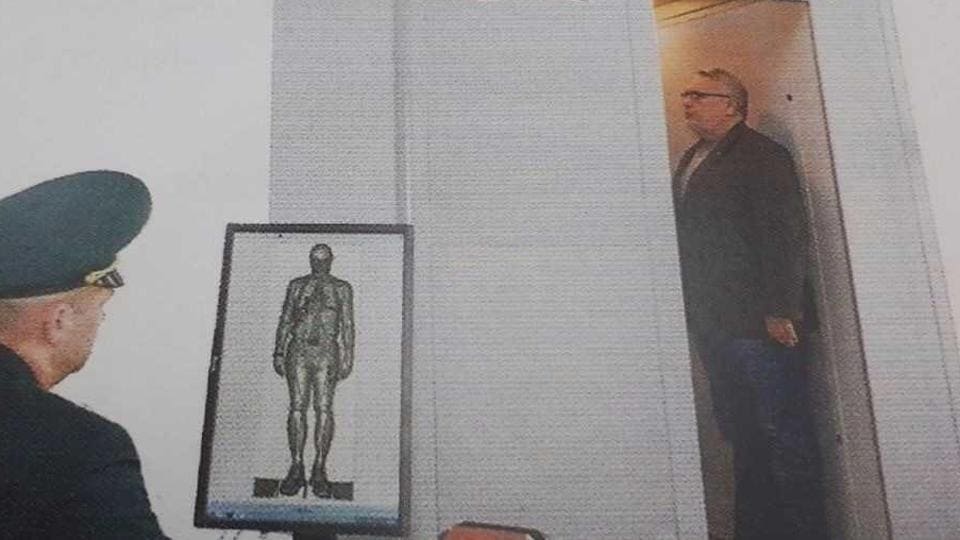
Developed by a Russian company in a joint venture with a Gujarat-based manufacturer, the scanner will not sound an alert immediately, but will produce an X-ray image for the screener, who, in turn, will decide if the passenger is hiding any suspicious item.
The previous body scanner had a tendency to raise false alarms. It was particularly bothersome for the security staff when the alarm would be triggered if a woman passed through the machine wearing jewellery. In most cases the culprit would be her mangalsutra (wedding thread), or a saree with metallic embroidery.
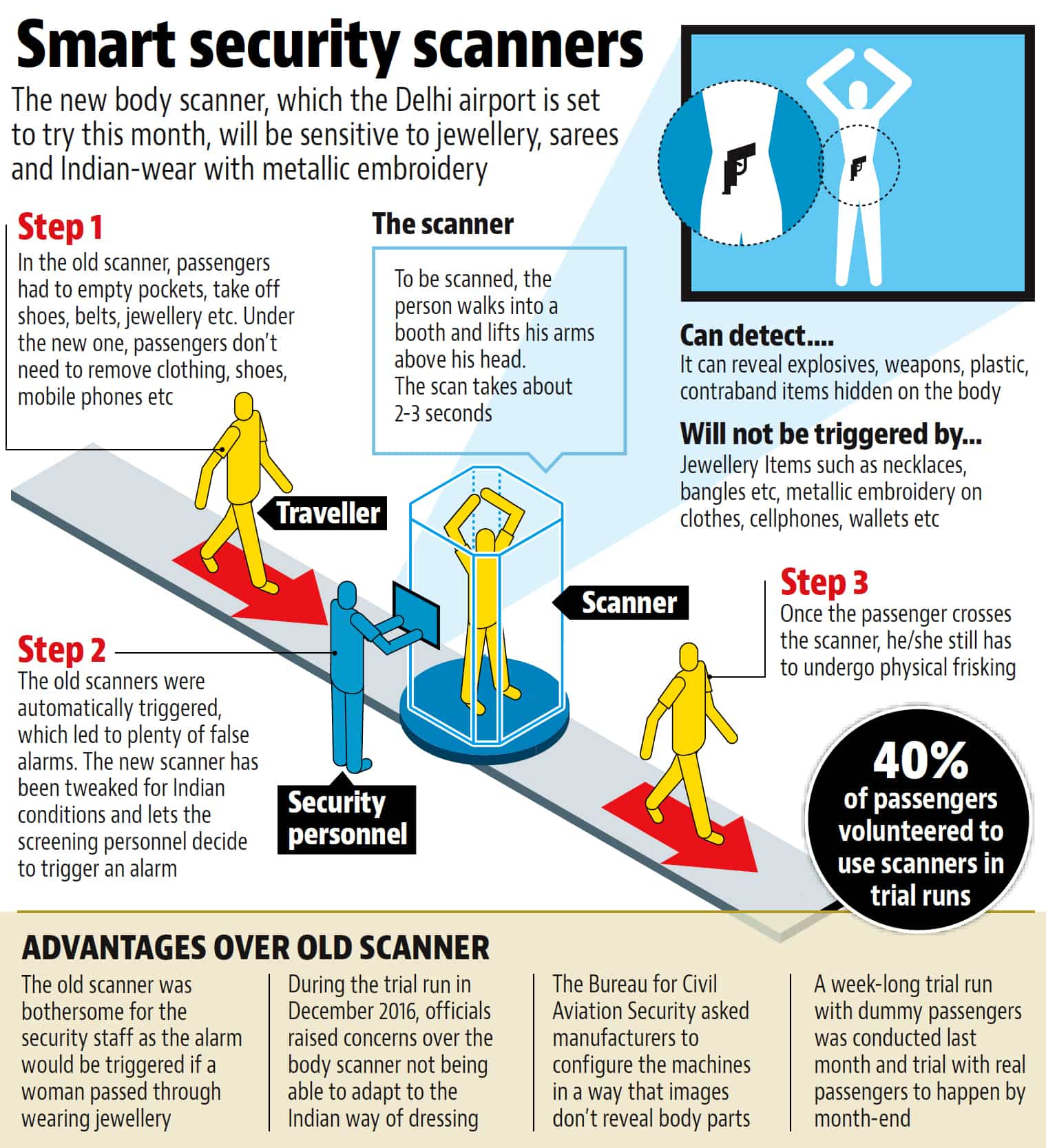
To avoid the same problem, the new body scanner has been tweaked as per Indian standards and security personnel found it more helpful than the previous two iterations that have been tested at Delhi airport earlier. The body scanner has arrived at Terminal 3, and Central Industrial Security Force (CISF) staff has undergone basic training to handle it. Another round of training will be conducted by the Russian company following which it will be placed at domestic departure of Terminal 3 for a trial run.
“This full body scanner runs on ultra low dose X-ray transmission and over 80 machines have been installed across Russia by the same company. This scanner can screen prosthetics and plaster casts as well, so it would help us in handling differently abled passengers. It will also not give any alert and will let the screening personnel decide if the passenger is carrying any suspicious item,” said a CISF official, who did not wish to be named.
The official said that low dose of X-ray meets the safety instruction of AERB — Atomic Energy Regulatory Board.
“It is a telephone booth-like structure and passengers will have to stand in it for 2-3 seconds. The scanner will produce an image, which will be scanned by the CISF. Initially, it will be voluntarily and will be placed in the domestic area of T3,” the officer added.
The advantage of this system is passengers can be screened without removing clothing, shoes and mobile phones. It can detect blades, paper cutters and all types of explosives even if it is concealed in the body.
The Bureau for Civil Aviation Security (BCAS), which frames guidelines related to aviation security, has finalised the specification for the scanner. This will be the third time that the trial run of body scanner will be conducted at Delhi airport.
During the trial run in December 2016, the security agency raised concerns over the body scanner not being able to adapt to the Indian way of dressing and raising false alarms.
The BCAS has also asked the manufacturers to configure the machines in way that the images don’t reveal body parts after objections were raised by passengers over X-ray images that scanners produce at airports across the world.
A few years ago, a similar trail run was conducted at the Delhi airport and a US-based company had installed the body scanner which can detect contraband and explosives hidden inside a passenger’s body. A survey conducted during the first phase of trial run revealed that 90% passenger’s feel the new technology will be helpful, but only 40% volunteered to go through the scanner.

Stay updated with all top Cities including, Bengaluru, Delhi, Mumbai and more across India. Stay informed on the latest happenings in World News along with Delhi Election 2025 and Delhi Election Result 2025 Live, New Delhi Election Result Live, Kalkaji Election Result Live at Hindustan Times.


