
 E-Paper



Ghazipur slaughterhouse set to reopen after 100 days
While poultry slaughter is allowed in several places in the city, goats, lambs and buffaloes can only be butchered at the slaughterhouse close to the Uttar Pradesh border. It supplied around 400,000 kg of meat daily to Delhi until the lockdown.

 Prefer HTon Google


After being shut for over 100 days, the city’s lone abattoir—the Ghazipur slaughterhouse—is likely to reopen in a week. The move comes after the East Delhi Municipal Corporation (EDMC) agreed to the demand of a two-year extension by the company that manages the facility. EDMC on Wednesday issued an order granting two years’ extension to the company and asked them to restart the facility. The slaughterhouse was closed on March 26 at the start of the coronavirus disease (Covid-19) pandemic, affecting the principal supply line of meat to the Capital.
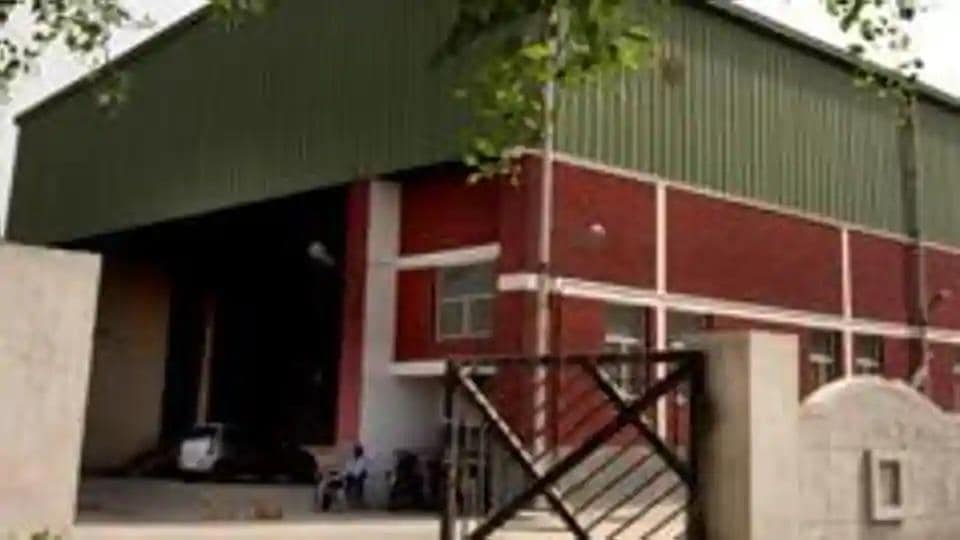
Officials said the slaughterhouse could not be reopened even after the lockdown was lifted because of the “stalemate” regarding the agreement of management between EDMC and Frigorifico Allana—the company managing the facility.
While poultry slaughter is allowed in several places in the city, goats, lambs and buffaloes can only be butchered at the slaughterhouse close to the Uttar Pradesh border. It supplied around 400,000 kg of meat daily to Delhi until the lockdown.
The meat supply in the city has been disrupted ever since the slaughterhouse suspended its operations. Traders were forced to get their supply from Uttar Pradesh and Haryana instead, leading to a sharp increase in mutton prices. Before the lockdown, mutton was sold for around ₹500 per kg; the price has now increased to ₹1,000 per kg in Delhi.
Nirmal Jain, the mayor of EDMC, confirmed the slaughterhouse would become operational in around a week as they have provided a two-year extension to the firm. “We have been getting requests to reopen the slaughterhouse as people have been procuring meat at high prices. With the festival of Bakr-Eid around the corner, the demand is expected to rise further. So we have issued an order to provide a two-year extension to the existing company to run the slaughterhouse. In the meantime, we will also float global bids for a 10-year lease to run the slaughterhouse. We have asked the firm to reopen the slaughterhouse soon. It may take around a week as they will have to arrange labour and sanitise the premises,” Jain said.
According to civic officials, the contract of the company had ended in August last year and was extended twice till May this year. The civic body, in the meantime, had sent out fresh bids, which failed. As the lockdown started being lifted in a phased manner, EDMC asked the concessionaire to restart the facility and gave it an extension of another six months, but the company declined the request and demanded at least two years more. “Now the civic body has agreed to the demand. We are hoping that the slaughterhouse will reopen next week,” a senior EDMC official said.
Fauzan Alavi, the director of Frigorifico Allana, said, “We wanted the stalemate to end and the slaughterhouse to reopen. We are yet to get any official communication in connection with the two-year extension to the company.”
Built in 2009, the Ghazipur slaughterhouse is spread across 25 acres near NH-24. It is an automated facility where around 1,000 butchers and supervisors work, and has the capacity for 10,000 animals to be slaughtered in three shifts daily.
The opposition in EDMC, however, questioned the move and said that such a long-term extension should have been given only after approval from the House. “EDMC has given a two-year extension to the company running the slaughterhouse without getting it passed from the House and the standing committee. The ruling BJP should have first discussed and passed this proposal in the House. The move reeks of corruption,” the leader of opposition in EDMC Manoj Kumar Tyagi said.
Responding to the allegation, EDMC mayor Jain said that the allegations were “baseless” and the step was taken as an “emergency move” as the slaughterhouse had been closed for over three months and the survival of its workers was at stake. “It is a public welfare decision and an emergency move. The people of the city have been suffering from meat shortage and over 1000 employees, who work at the slaughterhouse, are struggling for survival. We cannot keep the facility shut for eternity; we had to end the stalemate. That’s why we decided to reopen the facility,” Jain said.


