
 E-Paper



BSP’s exit from the national legislature
In the slow decline of the BSP is a tale of longevity in Indian politics and a tragic one about political empowerment of the marginalised

 Prefer HTon Google


When the Bahujan Samaj Party (BSP) debuted in Parliament 37 years ago at the height of the Mandal churn, it was the culmination of years of effort by founder Kanshi Ram, his protégé Mayawati, and a dedicated cadre of workers committed to Dr BR Ambedkar’s ideals. First by organising within the bureaucracy and then by painstakingly cycling from village to village to stitch together a constituency, Ram built a base of voters largely ignored by national parties and languishing at the bottom of the socioeconomic pyramid. A share in power held the potential to transform ordinary people’s lives — the ability to walk into a hospital without a slur being hurled, a police officer taking a complaint seriously, or a child not dropping out of school or being forced to sit on the ground — and the BSP reaped rich rewards by promising dignity to those forever denied it.
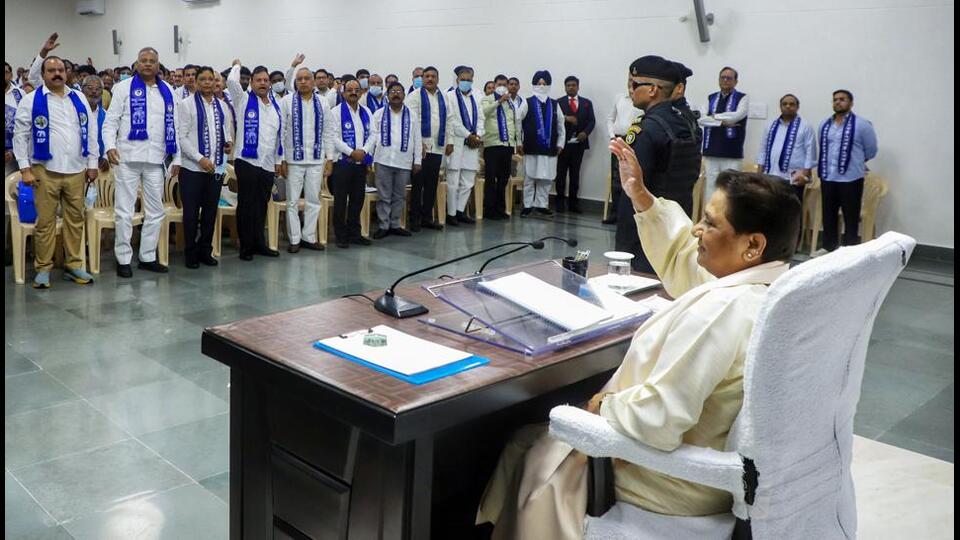
Unfortunately, the party has atrophied since Ram’s death, and Mayawati’s mercurial functioning has not helped matters. The latest round of the Rajya Sabha elections will mark the retirement of the BSP’s lone member. The party now has no representation in either House of Parliament or either House of Uttar Pradesh. The reason is the shifting sands of Dalit politics, the changing aspirations within the community dominated by young people, the aggressive wooing of Dalits by the BJP and the Samajwadi Party, and the rise of leaders such as Chandrasekhar Azad. But also responsible is the ideological bankruptcy of the BSP leadership, the constant flip-flop on leadership — exemplified by l’affaire Akash Anand — and the belief that the core BSP voter can be taken for granted. In the slow decline of the BSP is a tale of longevity in Indian politics and a tragic one about political empowerment of the marginalised.


